
Cow's milk has been a staple in many diets for ages, but it's time to rethink that choice. There are plenty of great reasons to leave cow's milk behind and explore other options. From health concerns to ethical considerations, ditching cow's milk can benefit you in ways you might not have considered, and we listed 11 reasons why.
Many people face issues with digestion, skin problems, and even chronic health conditions linked to cow's milk. Switching from cow's milk can make a big difference in your health and well-being. Plus, there are some great plant-based alternatives out there that can perfectly fit into your daily routine without any hassle.
Aside from personal health, there are also broader impacts to consider. The environment and ethical considerations play a significant role in why many are making the switch. By choosing plant-based alternatives, you can contribute to a more sustainable and humane world. So, why not make the change and see the benefits for yourself? It might be one of the best choices you make for your health and the planet!

Lactose Intolerance

Lactose intolerance is a common issue where individuals lack the enzyme lactase needed to properly digest lactose, the sugar found in cow's milk. This can result in a range of uncomfortable symptoms, such as bloating, diarrhea, gas, and stomach cramps. For those affected, avoiding cow's milk can significantly improve digestive health and comfort. Additionally, lactose intolerance can vary in severity, making it difficult for some to consume even small amounts of dairy without experiencing symptoms. Switching to lactose-free or plant-based milk alternatives can help manage these issues effectively.
Allergies

Cow's milk is one of the most common food allergens, especially in children. Symptoms of a milk allergy can range from mild to severe, including hives, vomiting, respiratory issues, and anaphylaxis, which is a life-threatening reaction. Managing a milk allergy involves avoiding cow's milk and any products containing it. Fortunately, there are many plant-based milk alternatives available that can replace cow's milk in the diet, such as almond, soy, oat, and coconut milk. These alternatives can help prevent allergic reactions and support health and well-being.
Hormones

Cow's milk can contain natural and synthetic hormones, which may interfere with your body's hormonal balance. The presence of these hormones, such as estrogen and progesterone, can potentially affect various bodily functions and may be linked to health issues like acne and early puberty in children. Additionally, some dairy cows are treated with growth hormones to increase milk production, which can further contribute to the hormone levels in milk. Opting for plant-based milk alternatives can help you avoid these hormones and maintain a healthier hormonal balance.
Antibiotics

Antibiotics are often used in dairy farming to prevent or treat infections in cows. This practice can lead to antibiotic residues in milk, which may contribute to antibiotic resistance when consumed by humans. Over time, this resistance can make it harder to treat bacterial infections effectively. Additionally, consuming antibiotics through milk can disrupt the natural balance of gut bacteria, potentially leading to digestive issues and weakened immunity. Choosing plant-based milk alternatives can help you avoid these risks and support a healthier, antibiotic-free diet.
Saturated Fat
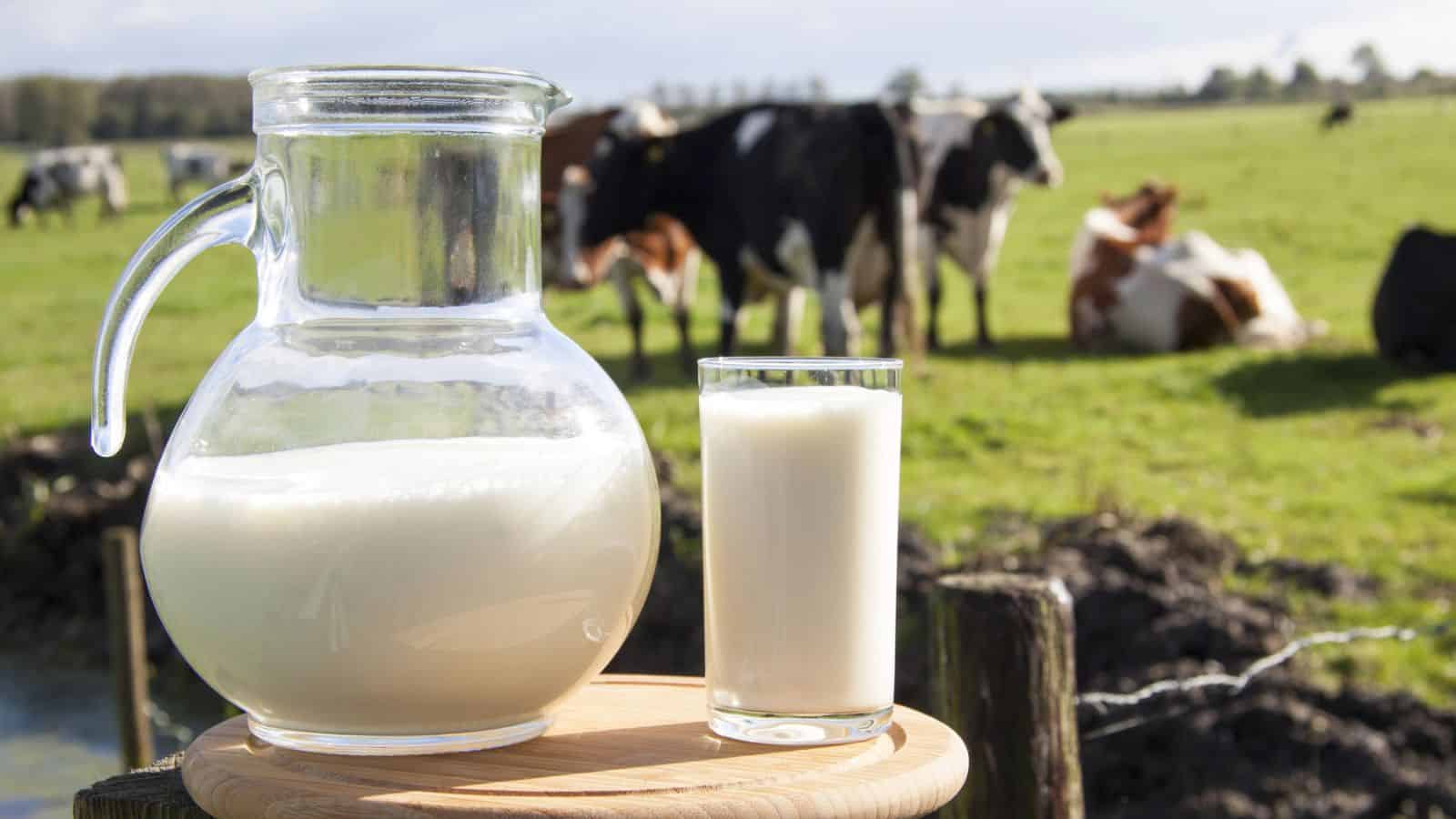
Cow's milk is high in saturated fat, which has been linked to an increased risk of heart disease. Consuming too much saturated fat can raise LDL (bad) cholesterol levels in the blood, contributing to the buildup of plaque in the arteries and increasing the risk of heart attacks and strokes. Reducing intake of saturated fat by choosing plant-based milk alternatives, which generally have lower levels of saturated fat, can support heart health and help maintain healthy cholesterol levels. This simple dietary change can have significant long-term benefits for cardiovascular health.
Cholesterol
Regular consumption of cow's milk can contribute to higher cholesterol levels, as it contains dietary cholesterol and saturated fat. Elevated cholesterol levels are a major risk factor for cardiovascular diseases, including heart attacks and strokes. By switching to plant-based milk alternatives, which typically contain little to no cholesterol, you can help manage your cholesterol levels more effectively. This dietary change can support heart health, reduce the risk of cardiovascular diseases, and contribute to well-being by promoting healthier blood lipid profiles.
Acne

Some studies suggest a link between cow's milk consumption and the development of acne. The hormones and growth factors present in cow's milk can stimulate the skin's oil glands, leading to increased oil production and clogged pores. This can result in breakouts and worsen existing acne. Reducing or eliminating cow's milk from your diet may help improve skin health and reduce the occurrence of acne. Many individuals report clearer skin after switching to plant-based milk alternatives, which do not contain the same hormones and are less likely to contribute to acne.
Inflammation

Cow's milk can contribute to inflammation in the body for some individuals. This inflammation is associated with various chronic diseases, including arthritis, heart disease, and certain autoimmune conditions. The proteins in cow's milk, such as casein and whey, can trigger inflammatory responses in sensitive individuals. By eliminating cow's milk from your diet and opting for plant-based alternatives, you can reduce inflammation and potentially lower the risk of developing chronic inflammatory diseases. This dietary change can support health and reduce discomfort.
Calcium Alternatives
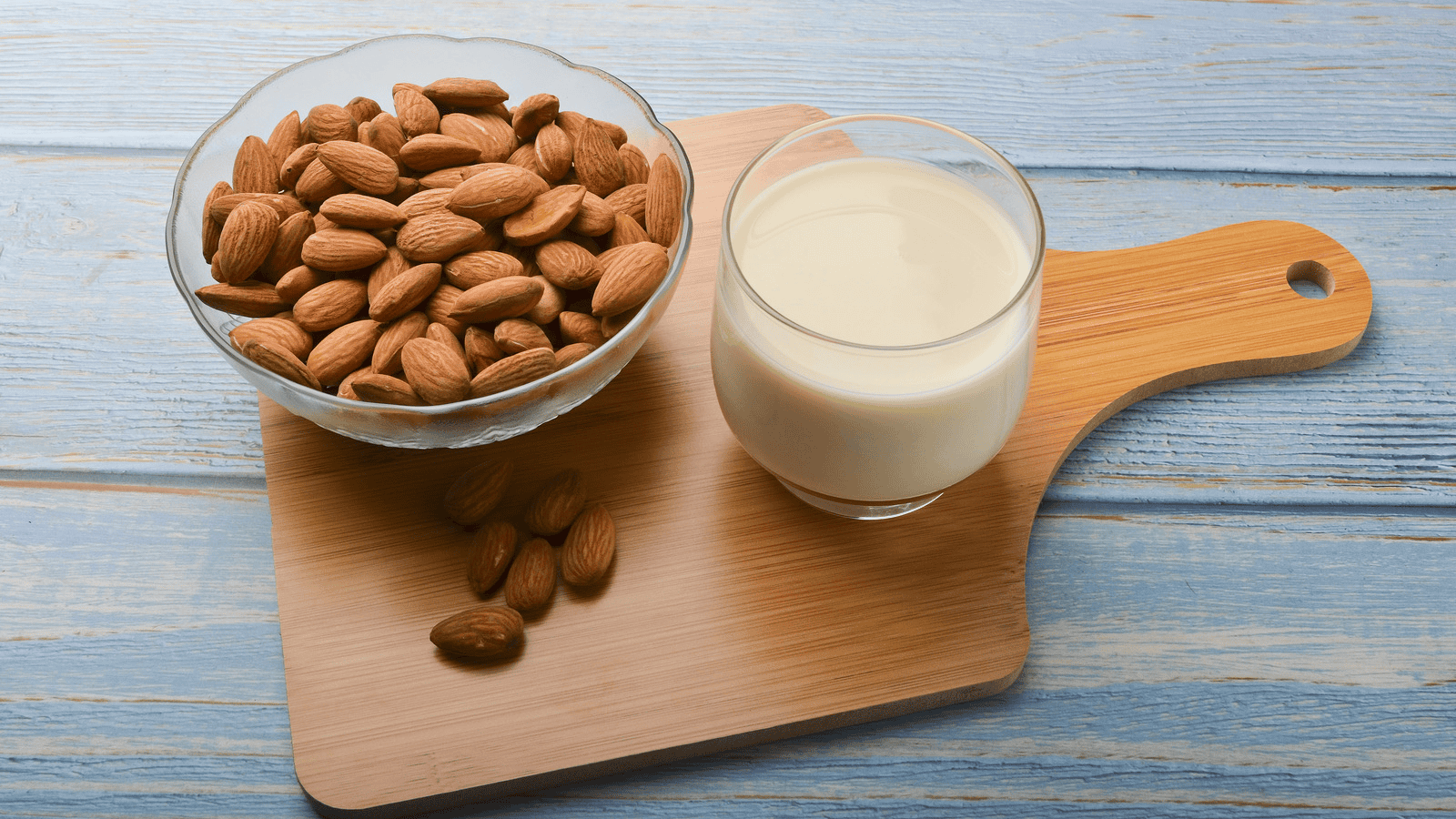
While cow's milk is a well-known source of calcium, many plant-based milks are fortified with calcium and other essential nutrients, guaranteeing similar or even higher calcium content without the potential downsides of cow's milk. These alternatives, such as almond, soy, and oat milk, often contain added vitamins D and B12, which are important for bone health and well-being. By choosing fortified plant-based milks, you can meet your calcium needs and support bone health without consuming cow's milk. This makes it easier to maintain a balanced and nutritious diet.
Environmental Impact

Dairy farming has a significant environmental footprint, contributing to greenhouse gas emissions, water use, and land degradation. The production of cow's milk requires large amounts of water for feeding and maintaining the cows, as well as for processing the milk. Additionally, dairy cows produce methane, a potent greenhouse gas that contributes to climate change. By choosing plant-based milk alternatives, you can reduce your environmental impact and support more sustainable farming practices. This dietary shift can help conserve resources and protect the environment for future generations.
Ethical Concerns

Many people choose to avoid cow's milk for ethical reasons related to animal welfare and farming practices. Dairy farming often involves practices that raise concerns about the treatment and well-being of cows, such as confinement, separation of calves from their mothers, and the physical demands of constant milk production. By opting for plant-based milk alternatives, you can align your dietary choices with your ethical values, supporting more humane and compassionate treatment of animals. This choice can also promote more sustainable and ethical food production systems.
You Herd it Here First

Switching away from cow's milk can be a game-changer for your health and well-being. The benefits are clear, from avoiding common digestive issues to embracing a lifestyle that aligns better with ethical and environmental values. Plus, the availability of great plant-based alternatives makes the transition smoother than ever.
You don't have to compromise on taste or nutrition to make a positive change. As you consider making the switch, think about the long-term benefits for both your body and the planet. It's a small step that can lead to significant improvements in how you feel and how you impact the world around you.
Incorporating plant-based milk alternatives into your daily routine is simple and rewarding. Whether you're looking to improve your health, support ethical farming practices, or reduce your environmental footprint, ditching cow's milk is a perfect step forward. Give it a try today!




Comments
No Comments