
Let me tell you something: when I first started making mocktails, my early attempts were so forgettable that they almost made me forget why I'd wanted to do this in the first place.
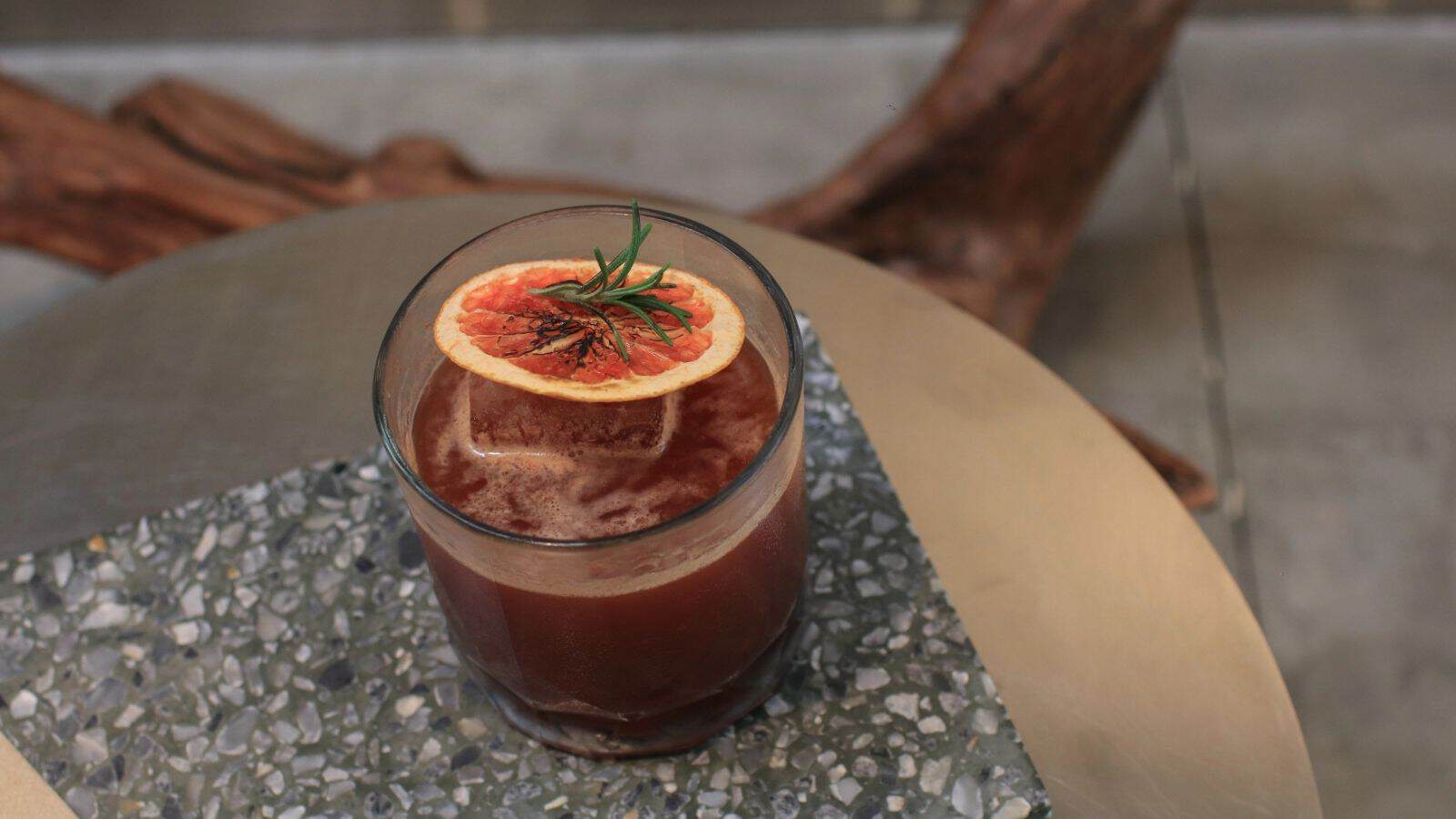
I mentioned in my virgin mint julep article how I was only meant to participate in Dry January once. I was just starting this blog and thought that I could make some content as I go. But somewhere in the middle of all that, I found so much joy in recreating my favorites without alcohol that I barely drink anymore.
And here's what I learned along the way. Making mocktails that actually taste good isn't about swapping booze for juice and calling it a day. It's a whole thing. A good thing. Let me walk you through it.
First, Let's Talk Flavor
The secret to a mocktail that doesn't taste like a sad afterthought? Balance. Sweet, sour, bitter, savory; you want all of them in conversation with each other. Lean too hard on one, and you've got yourself a glass of flavored sugar water, and that's not exactly the vibe.
A lot of classic mocktails lean sweet. Think the nostalgic Shirley Temple with its grenadine and ginger ale, or Italian sodas built on fruity simple syrups topped with sparkling water. Add a splash of cream and you've got a French soda. Some people love a good sparkling lemonade with a rosemary garnish, or a cranberry fizz with a squeeze of citrus. These are fun, but they're just the starting point.
Beyond sweet, there's a whole world of non-alcoholic drinks worth exploring. Bitter, tart, herbaceous, even savory. Once you start thinking about mocktails the same way you'd think about classic cocktails, things get really interesting.
The Ingredients That Actually Do the Work
Here's what to stock up on, and I wish I knew sooner.
Fresh stuff. Fruits, herbs, citrus, cucumber. These are your best friends. Muddle them, juice them, turn them into syrups. Muddling fresh herbs in the bottom of a shaker before you build the drink releases oils and aroma you just can't get from a bottle. Fresh lemon juice and lime juice especially are game-changers for cutting through sweetness, and a splash of citrus juice can rescue almost any drink that's gone flat in flavor.
Homemade syrups. A basic simple syrup is the foundation, but the fun starts when you infuse it with fruits, herbs, edible flowers, or extracts. Try a rosemary simple syrup stirred into lemonade, or a cranberry syrup shaken with tonic water and a squeeze of citrus. Make a big batch on Sunday and you'll have mocktail building blocks all week.
Cocktail mixers. Most are sold non-alcoholic by design. Margarita mix, for instance, works perfectly in a virgin margarita. Easy win.
Non-alcoholic bitters. Regular bitters have an alcohol base, so if you're going fully booze-free, grab a nonalcoholic version. Brands like All the Bitter nail the flavor of bitters without the booze, and just a few drops add real depth to a drink.
What to Do When the Spirit IS the Point
Some cocktails, like a gin and tonic, an old fashioned, or a julep, are really about the spirit. You can't just leave it out and hope for the best. Here's what actually works.
Non-alcoholic spirits. These have come a long way. Many are brewed with botanicals like juniper to mimic the flavor of gin, and they work as a 1-to-1 swap. Zero-proof gin with tonic water and a slice of cucumber? Genuinely good. Non-alcoholic whiskey in that mint julep? Closer to the real thing than you'd think. A lot of these even hold up shaken in a cocktail shaker, which means you're not losing anything on texture either.
Flavored water and fruit juice. On their own or infused with fruits, herbs, or spices, these work as a light base or mixer. Fresh juice brings body and sweetness, while citrus juice keeps things bright.
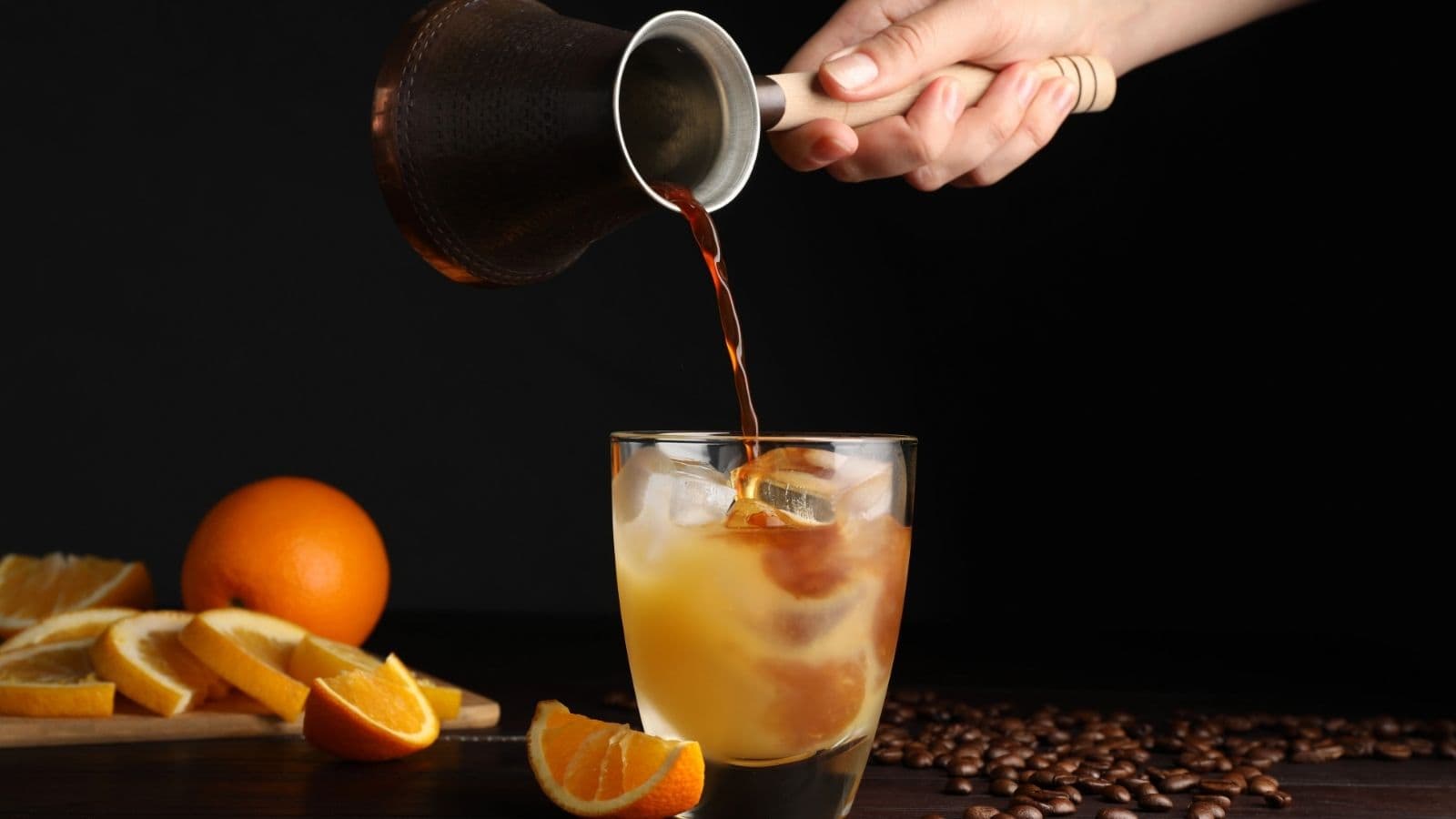
Coffee and tea. Both bring natural bitterness that alcohol usually adds. Barrel-aged versions can even mimic the woody, deep notes you'd get from whiskey or wine.
Vinegar. Stay with me here. A small splash of balsamic adds complexity and acidity you can't get otherwise. Start small and play around with regular, white, or flavored balsamic.
Shrubs and kombucha. Shrubs are sweet drinking vinegars, tangy, interesting, and a great mocktail base. Kombucha brings fizz and tartness too, though heads up, it does contain trace amounts of alcohol.
The Easiest Way to Get Started
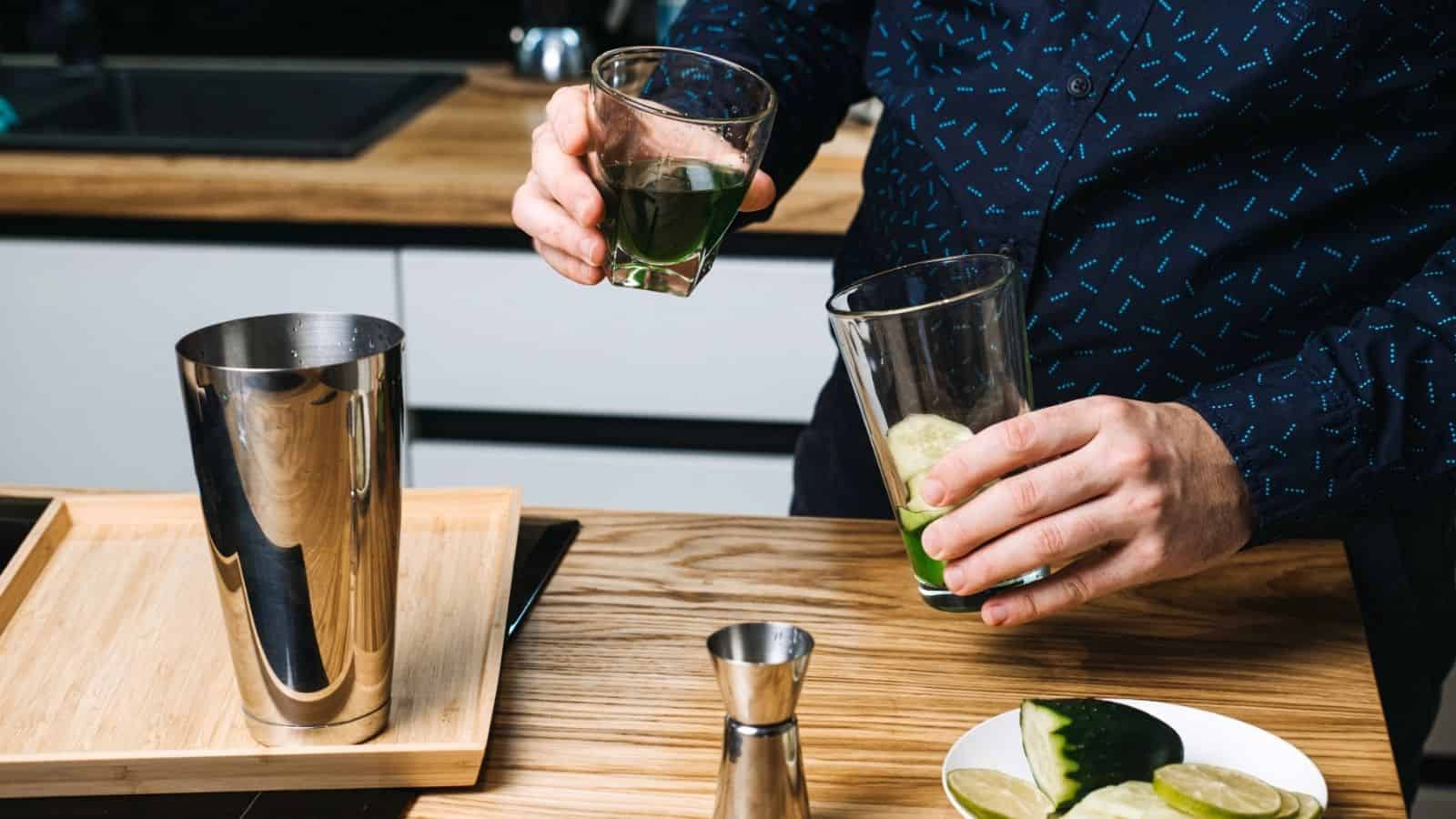
Grab a zero-proof spirit and start recreating your favorites. Swap the alcohol in a bloody mary for non-alcoholic vodka. Use non-alcoholic whiskey in that virgin mint julep. Try juniper-forward non-alcoholic gin with club soda and lemon juice for something that drinks like a real G&T.
Or use the golden ratio of cocktails as your cheat code when you want to make a drink from scratch. Two ounces spirit, one ounce sour, one ounce sweet. Replace the spirit with a zero-proof version, use lemon juice, lime juice, or another fruit juice for sour, and a simple syrup for sweet. Add everything to a shaker with ice, shake well, and strain into your favorite glass. Done. You've got a balanced mocktail.
Want something lighter? Top it with club soda or tonic water instead of shaking and you've got a long drink that's easy to sip all evening.
The Details That Take It From "Fine" to "Wait, Can I Have Another?"
Texture. Fizzy drinks like club soda, tonic water, and non-alcoholic bubbly make everything feel more festive. Shake with egg white or aquafaba for something silky and thick. Blend with ice for a frozen situation. Go warm with a hot chocolate or tea base in winter.
Temperature. A scoop of sorbet floating in a glass? A frozen virgin daiquiri? These aren't just drinks. They're a moment.
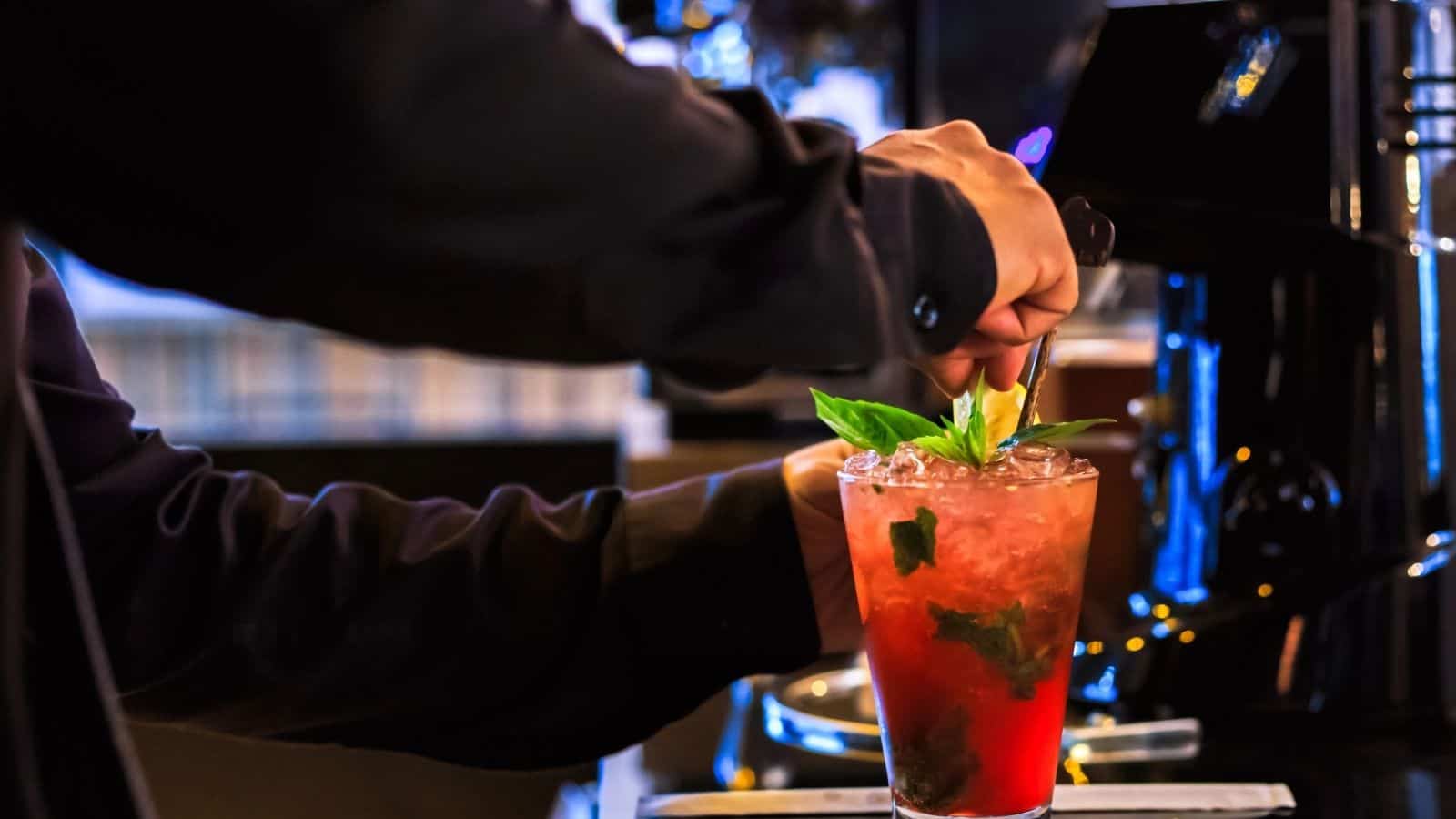
Garnishes. Don't skip the garnish. A salted or sugared rim, fresh berries on a cocktail pick, a rosemary sprig, a curl of citrus peel. Garnishes add aroma, flavor, and that "yes, I made this" energy. They're what turn a drink into an experience. And honestly, the right garnish paired with the right glassware makes a non-alcoholic drink feel just as intentional as anything with booze in it.
Go Make a Good Mocktail
You don't need alcohol to make something worth sipping slowly. You just need good ingredients, a little curiosity, and maybe a few failed batches before you hit your stride. Start with whatever drink you already love and work backwards from there. The faux mojito mocktail was my starting point, and now I've got a whole forest of recipes that honestly make me forget there was ever booze in the original. Your version of that drink is out there. Go find it.
This article originally appeared on Food Drink Life.
Comments
No Comments