
Detox cleanses are all the rage these days, promising to reset your system and boost your health. But here's the thing: not all cleanses are created equal. Some might sound great in theory, but they can do more harm than good, especially these 7 least healthy detox cleanses. Before you jump on the detox bandwagon, it's crucial to know which ones to steer clear of.
It's easy to get swept up in the hype, especially with all the celebrity endorsements and flashy marketing. The truth is, some popular cleanses can leave you feeling weak, hungry, and downright miserable. They often lack essential nutrients, causing more harm than benefits. You might lose weight quickly, but at what cost?
Extreme cleanses can mess with your body's natural balance, leading to electrolyte imbalances and nutrient deficiencies. Understanding the risks involved with these cleanses can help you make better choices for your long-term health. So, let's discuss everything you need to know about these detoxes and uncover why they aren't great for your health and well-being.
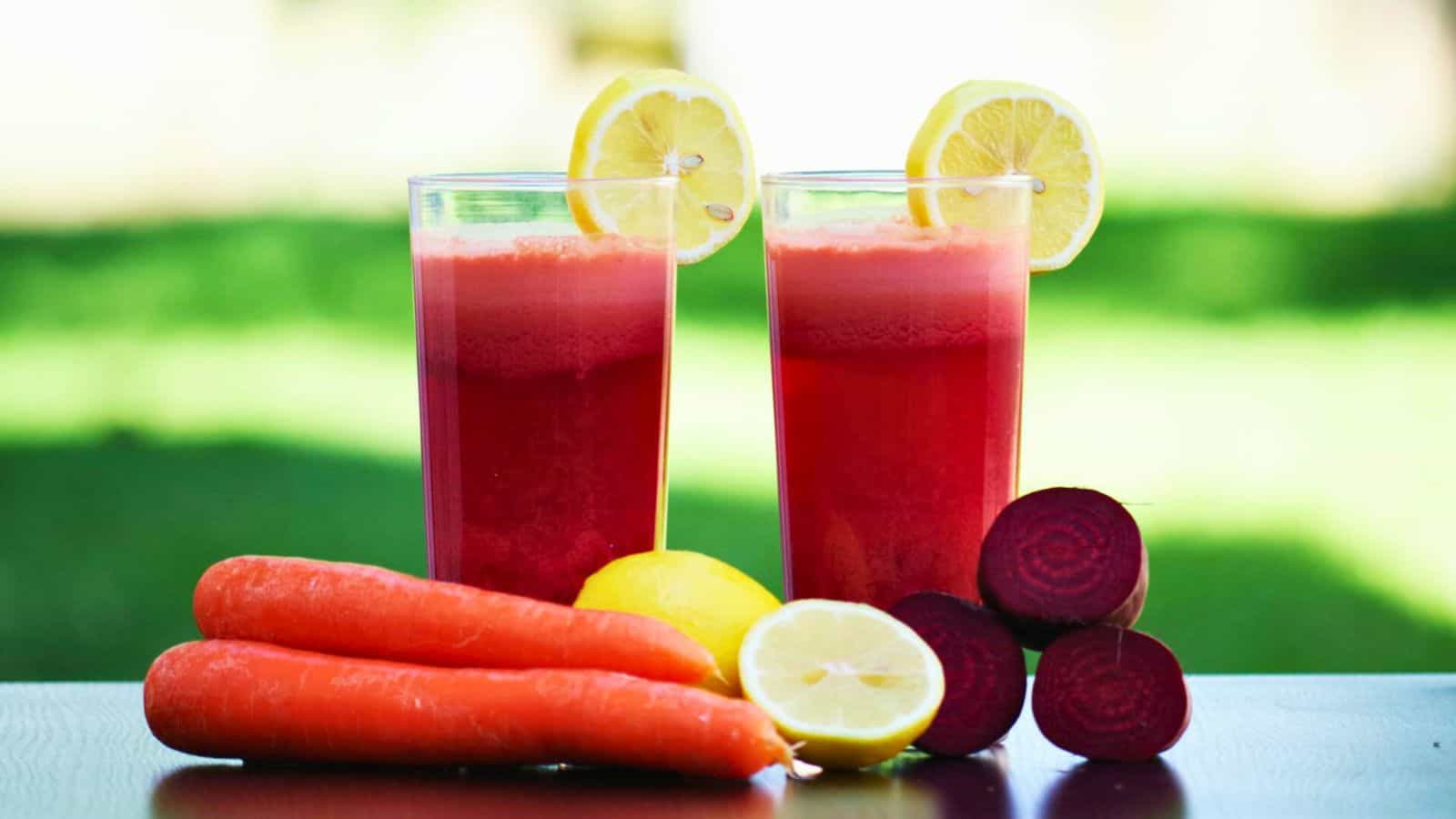
Juice Fasts

Juice fasts typically involve consuming only fruit and vegetable juices for a prolonged period, often ranging from several days to a few weeks. While these juices can impart vitamins and some antioxidants, they severely lack essential nutrients such as protein, fats, and fiber. This can lead to muscle loss, fatigue, dizziness, and blood sugar imbalances. The high sugar content in fruit juices can also cause spikes in blood glucose levels, potentially leading to insulin resistance over time. Additionally, the absence of fiber can negatively affect digestive health, potentially causing constipation or other gastrointestinal issues.
Master Cleanse
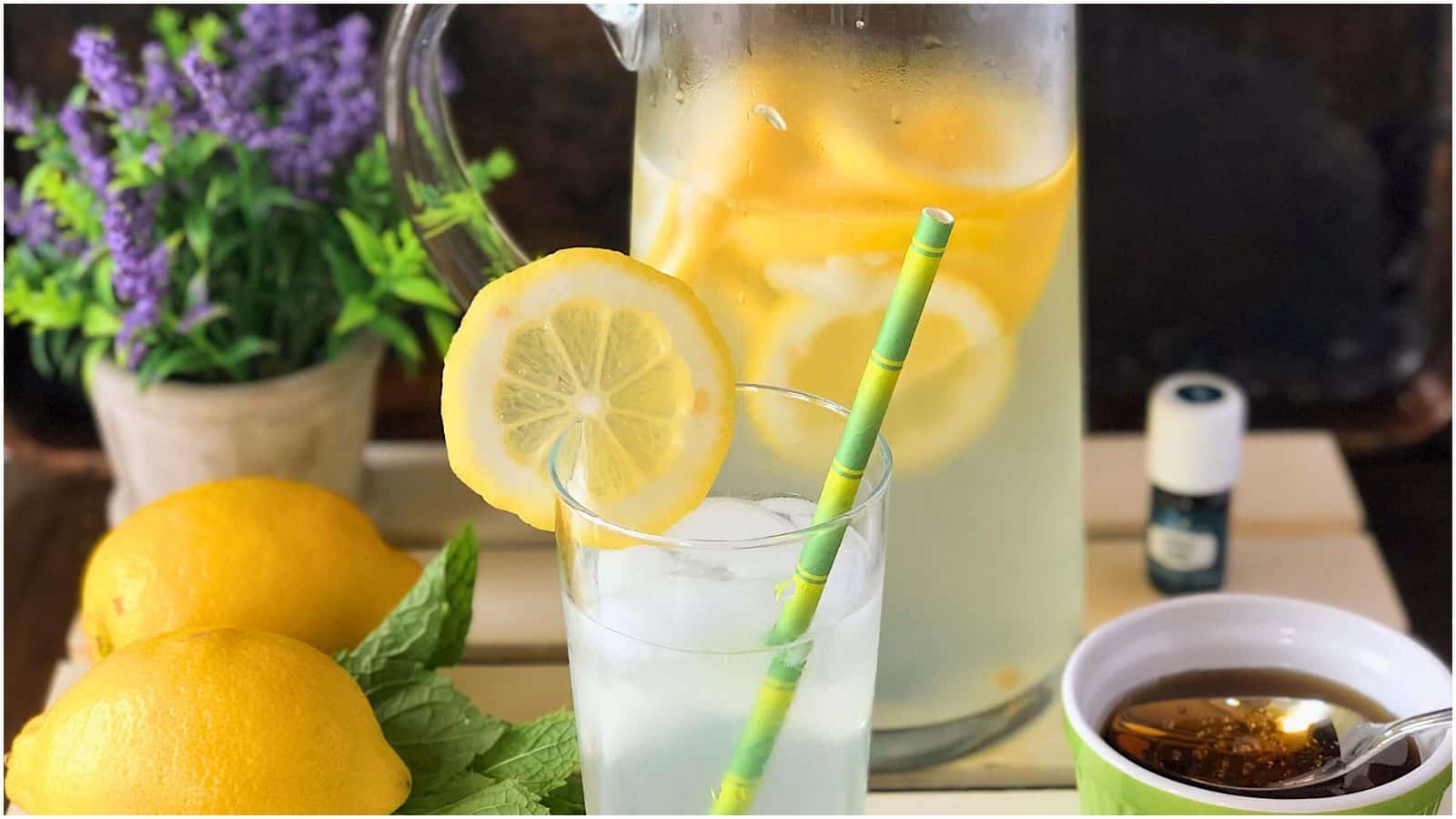
The Master Cleanse is a detox program that involves consuming only a mixture of water, lemon juice, maple syrup, and cayenne pepper for 10 days. This regimen is extremely low in calories and essential nutrients, which can lead to severe nutrient deficiencies, muscle breakdown, and metabolic slowdown. Participants may experience headaches, dizziness, fatigue, and irritability due to the lack of proper nutrition. The cleanse can also disrupt normal eating patterns and may lead to binge eating once the cleanse is over, causing a cycle of unhealthy dieting practices.
Water Fasts

Water fasting involves consuming nothing but water for an extended period, which can range from a few days to several weeks. While it may lead to rapid weight loss, it can also result in severe nutrient deficiencies, electrolyte imbalances, and significant muscle loss. Prolonged water fasting can strain the kidneys and other vital organs, potentially leading to serious health complications. Additionally, the lack of caloric intake can cause extreme fatigue, dizziness, and impaired cognitive function. This method of detoxification is highly risky and should only be undertaken under medical supervision.
Colon Cleanses

Colon cleanses often involve the use of laxatives, enemas, or herbal supplements to "cleanse" the colon. These practices can lead to dehydration, electrolyte imbalances, and potential damage to the colon's natural lining. Overuse of laxatives can disrupt normal bowel function and lead to dependence, making it difficult for the body to regulate bowel movements naturally. Colon cleanses can also disrupt the natural balance of gut bacteria, leading to digestive issues and potentially harmful health effects. The risks associated with colon cleanses often outweigh any perceived benefits, and they are generally not recommended by medical professionals.
Detox Teas

Detox teas often contain laxatives or diuretics that are marketed to promote weight loss and detoxification. However, the use of these substances can lead to dehydration, electrolyte imbalances, and a dependency on laxatives for regular bowel movements. Some detox teas also contain unregulated herbs that can have harmful side effects, including liver damage or gastrointestinal distress. Additionally, the weight loss experienced with detox teas is usually temporary and primarily due to water loss rather than fat loss. Long-term use can lead to serious health complications and should be approached with caution.
Raw Food Cleanses
Raw food cleanses involve consuming only raw fruits and vegetables, excluding all cooked or processed foods. While raw foods can be nutritious, this diet is often very low in calories and essential nutrients such as protein, calcium, vitamin B12, and healthy fats. This can result in nutrient deficiencies, fatigue, and weakened immune function. The high fiber content of raw foods can also be difficult for some people to digest, leading to bloating, gas, and other gastrointestinal issues. The restrictive nature of this cleanse can also make it challenging to maintain long-term and may lead to disordered eating patterns.
Apple Cider Vinegar Detox
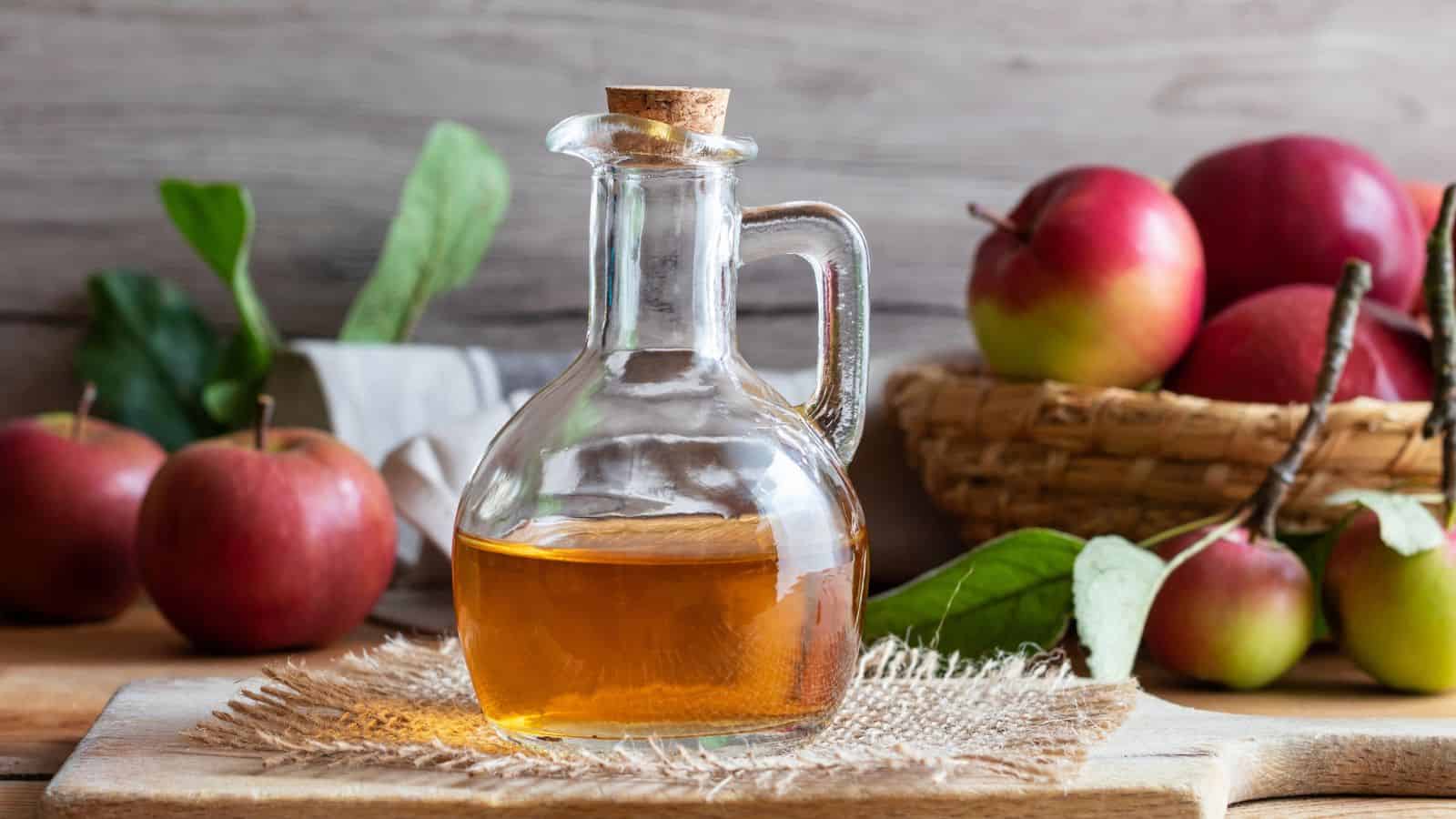
An apple cider vinegar detox typically involves drinking a solution of apple cider vinegar mixed with water multiple times a day. While some believe this can aid in weight loss and detoxification, consuming large amounts of apple cider vinegar can lead to tooth enamel erosion, throat irritation, and digestive issues such as nausea and stomach pain. It can also disrupt blood sugar levels and potassium balance, posing risks to individuals with diabetes or kidney issues. The acidic nature of apple cider vinegar can harm the esophagus and stomach lining if consumed excessively, making this detox method potentially harmful.
Cleanse Craze? Hard Pass!

When it comes to detox cleanses, the appeal of quick results can be tempting. However, the risks often outweigh the benefits. Many popular cleanses lack essential nutrients and can leave you feeling worse than when you started. They might promise to flush out toxins and revitalize your body, but the reality is usually far less glamorous.
Your body is designed to detoxify itself naturally, given the right support through a balanced diet, regular exercise, and adequate hydration. There's no need for extreme measures that can disrupt your body's natural balance. It's better to prioritize sustainable, healthy habits that support your body's natural processes.
In the end, being informed and cautious about detox cleanses is crucial. Focus on what truly supports your health and well-being in the long run. Avoid the pitfalls of extreme cleanses and choose a path that promotes sustainable health.




Comments
No Comments