
Drinks tell a story about a place and its people. They capture traditions, flavors, and moments that make each country special. That's why we rounded up 20 popular drinks from around the world to show you how taking a sip of each gives us a glimpse of history and culture.
Whether it's a cup of tea in India or a glass of wine in France, these beverages are more than just drinks-they're experiences. It's a great way to understand and appreciate the diversity that makes our world so fascinating. So, if you're curious about what people are drinking in different corners of the globe, this guide is perfect for you.
Let's talk about the signature drinks that locals love and visitors rave about. From the bustling streets of Tokyo to the tranquil vineyards of Italy, there's a drink waiting to tell you its story. Grab a glass and let's get started! You'll discover new favorites and maybe even find some inspiration for your next travel adventure.
Japan's Sake
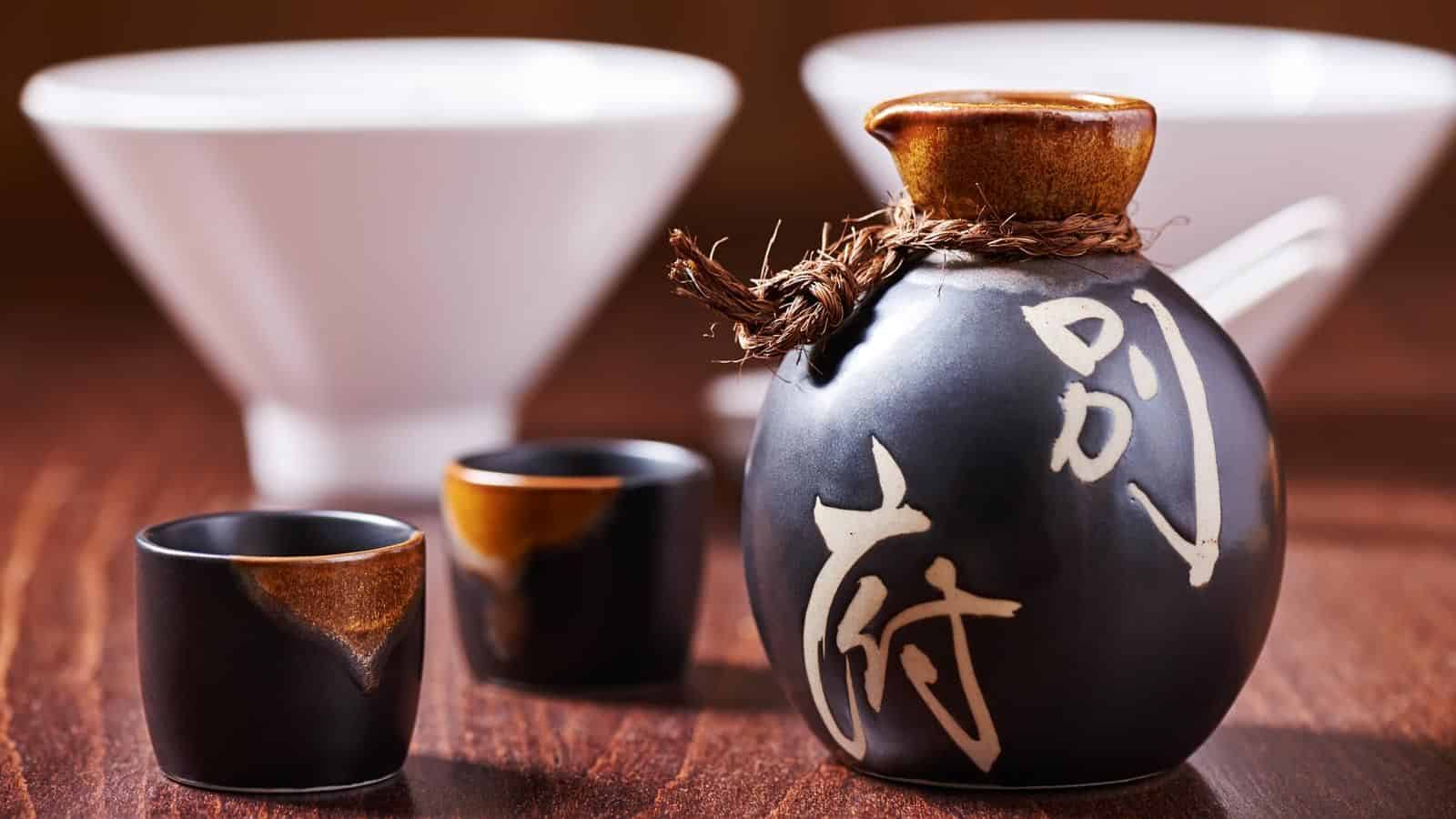
Often referred to as Japanese rice wine, sake is a traditional alcoholic beverage made from fermented rice. With a history spanning thousands of years, sake can be enjoyed both warm and cold. It comes in various styles, from sweet to dry, and is usually served during special occasions and ceremonies. Sake embodies the heritage of Japanese culture, representing both its food artistry and its deep-rooted traditions in hospitality and celebration.
Ethiopia's Coffee
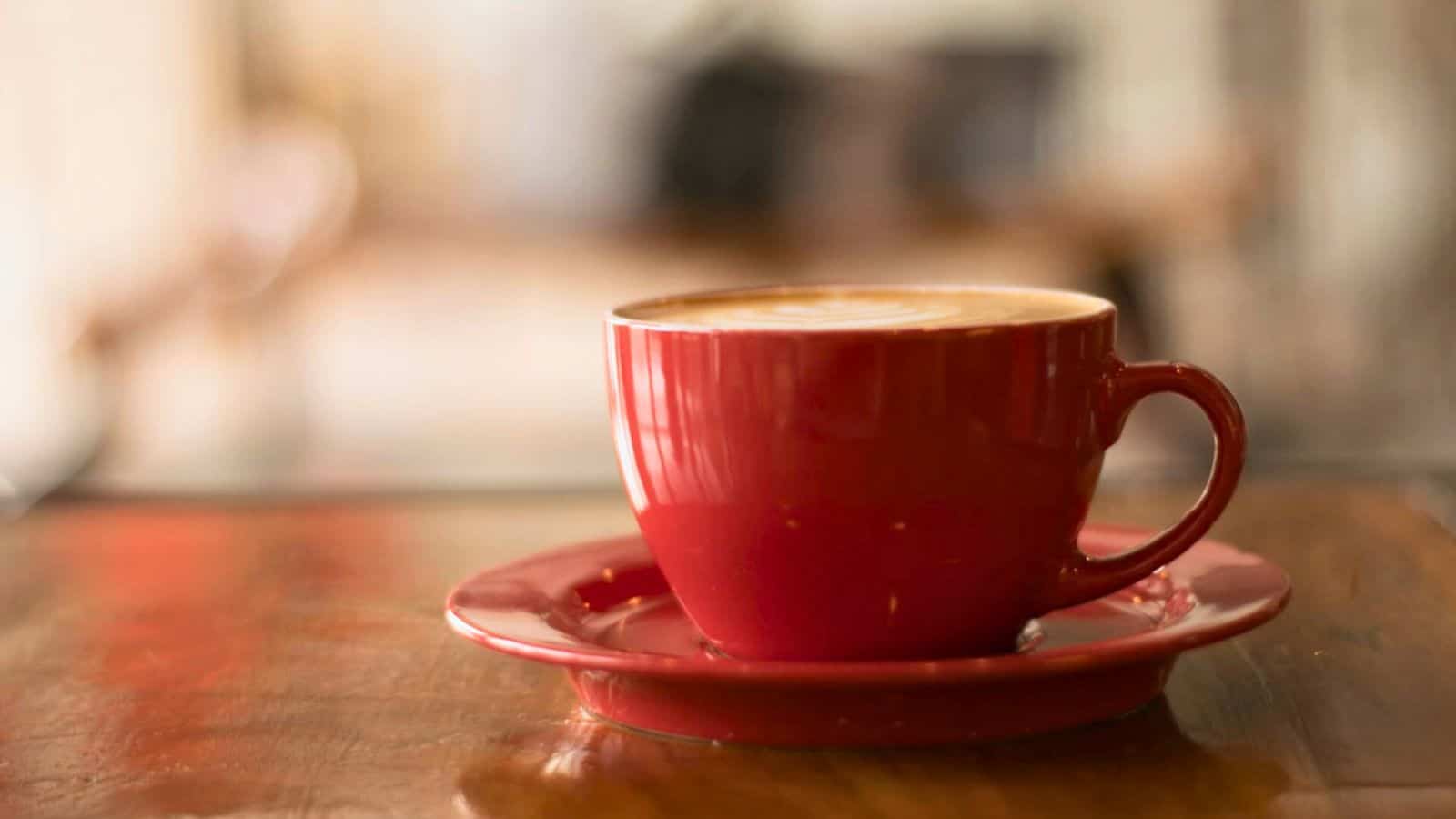
Considered the birthplace of coffee, Ethiopia boasts a rich tradition of coffee cultivation and brewing. Ethiopian coffee is renowned for its distinct, bold flavors and aromatic qualities, often featuring floral, fruity, and spicy notes. The coffee ceremony, a revered tradition in Ethiopian culture, highlights hospitality and community. Coffee in Ethiopia is more than just a drink; it represents social interaction and cultural heritage, making it an essential part of daily life.
United States' Coca-Cola
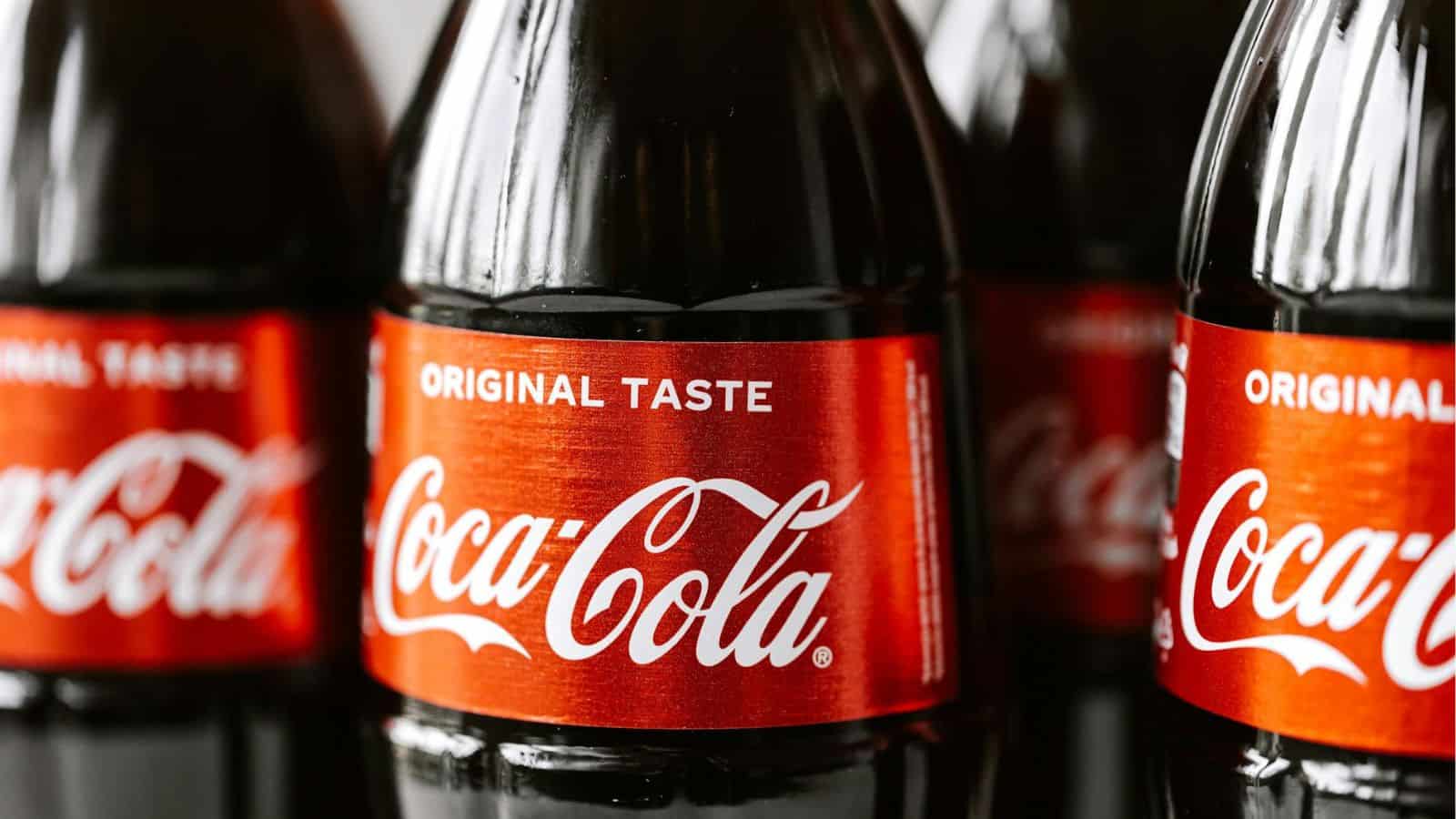
An iconic American soft drink, Coca-Cola was first introduced in 1886 and has since become a global emblem of refreshment. Known for its distinctive flavor that combines sweetness with a hint of spice, Coca-Cola is enjoyed both on its own and as a mixer in various cocktails and non-alcoholic beverages. Its distinctive taste and branding have made it one of the most recognizable and popular beverages worldwide, symbolizing American innovation and consumer culture.
India's Masala Chai
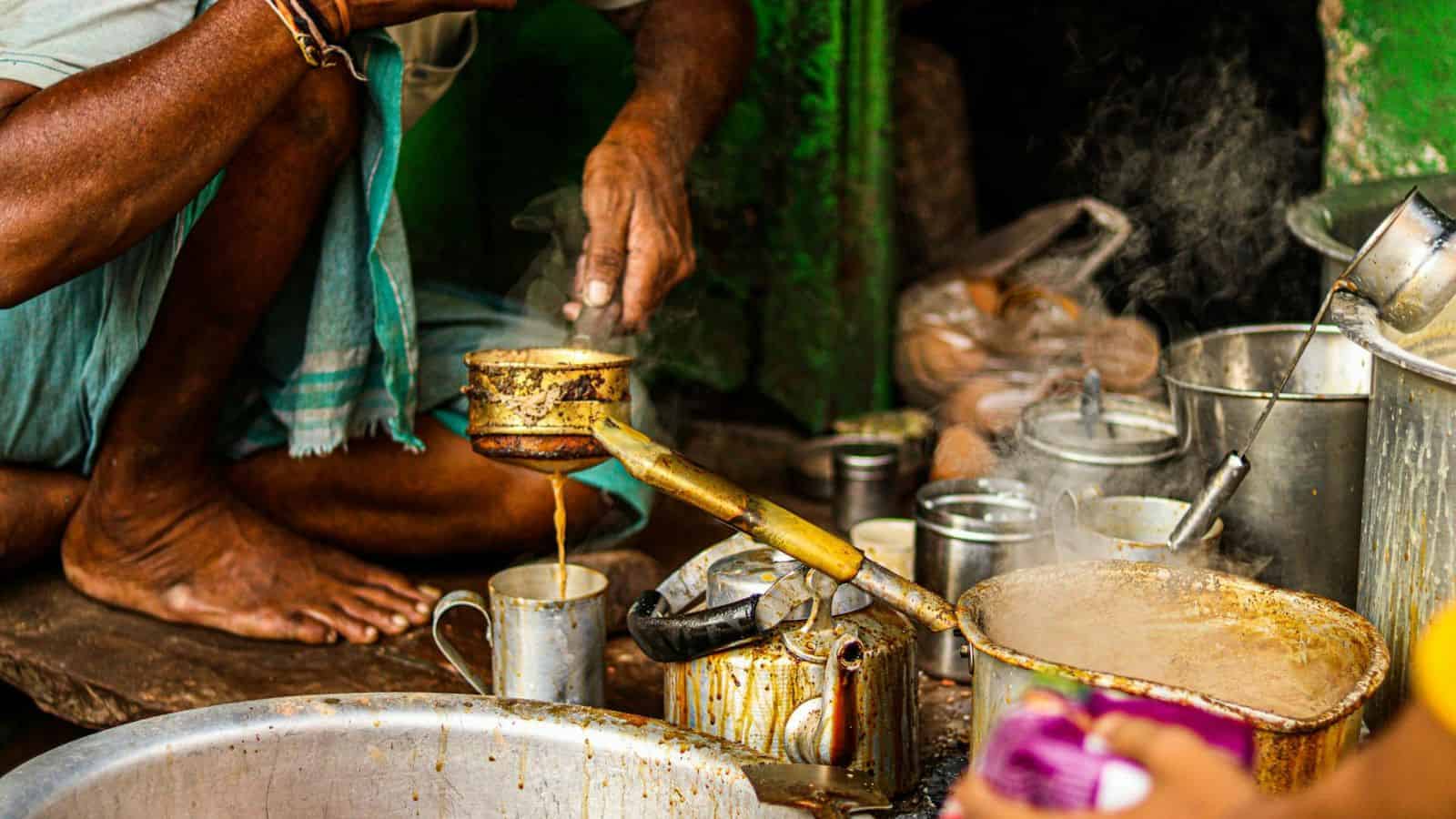
A richly aromatic tea from India, Masala Chai is brewed with black tea and a combination of spices such as cardamom, cinnamon, ginger, and cloves. Typically sweetened with sugar and enriched with milk, this popular drink guarantees warmth and comfort, especially in cooler weather. Masala Chai is deeply ingrained in Indian culture, often enjoyed in social gatherings and daily routines, giving a flavorful experience that reflects India's rich food heritage.
Brazil's Caipirinha
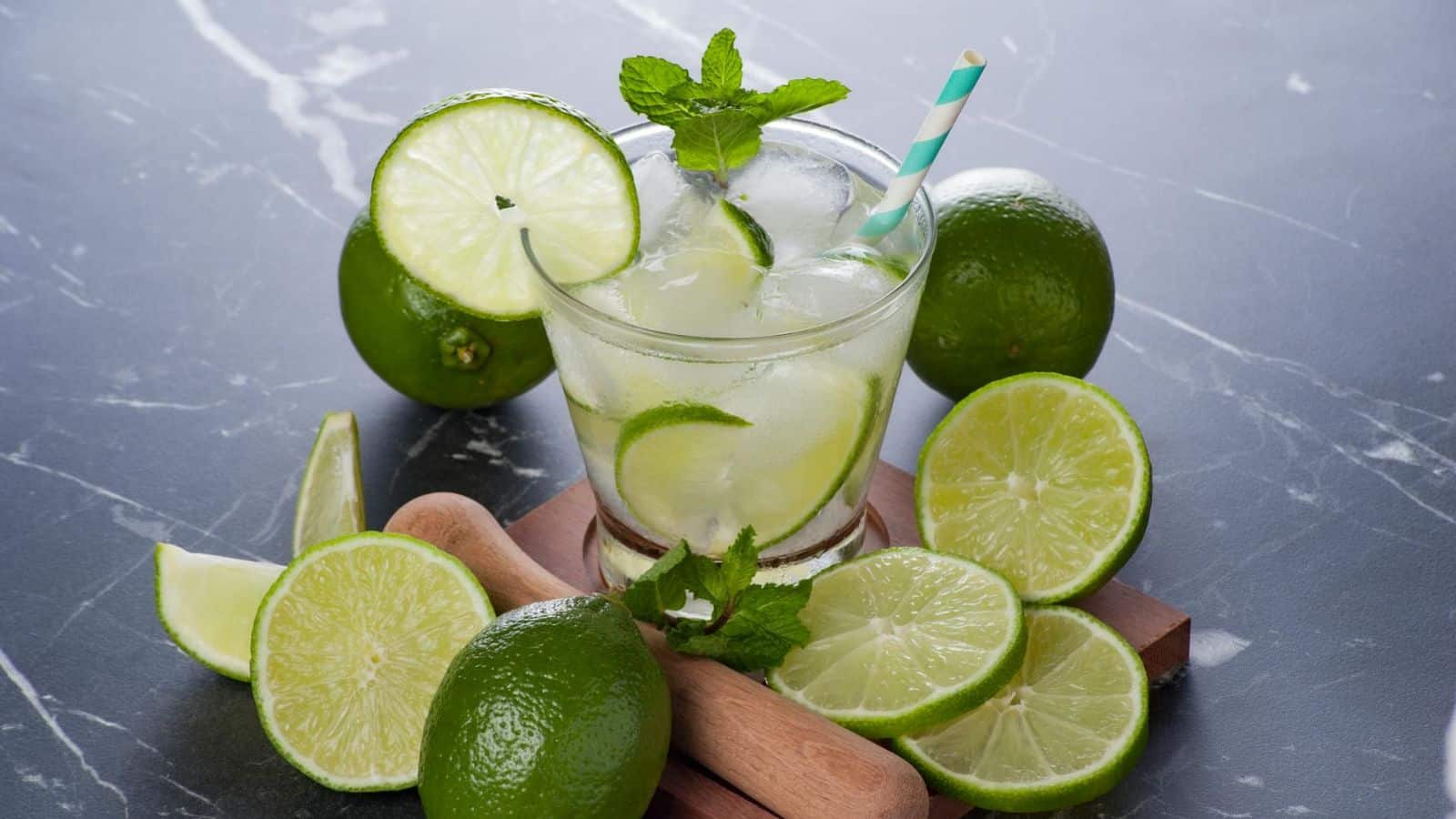
Brazil's national cocktail, Caipirinha, is made by mixing cachaça (a sugarcane spirit), fresh lime, sugar, and ice. This invigorating and lively drink is perfect for hot weather, with the straightforward ingredients allowing the robust flavors of lime and cachaça to stand out. Caipirinha is a popular choice at gatherings and celebrations, embodying the vibrant and energetic spirit of Brazilian culture, and guaranteeing a refreshing escape from the tropical heat.
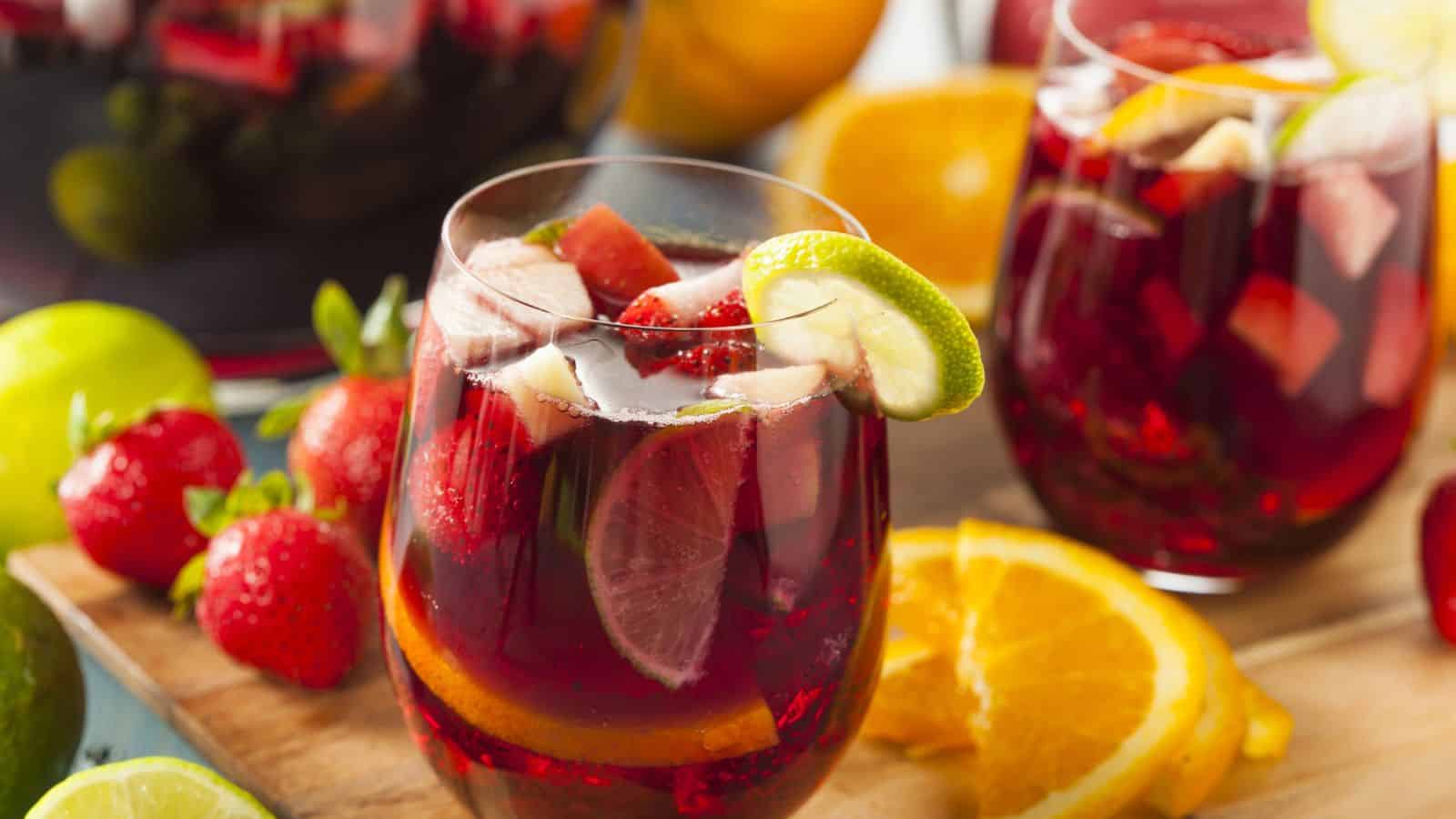
Spain's Sangria
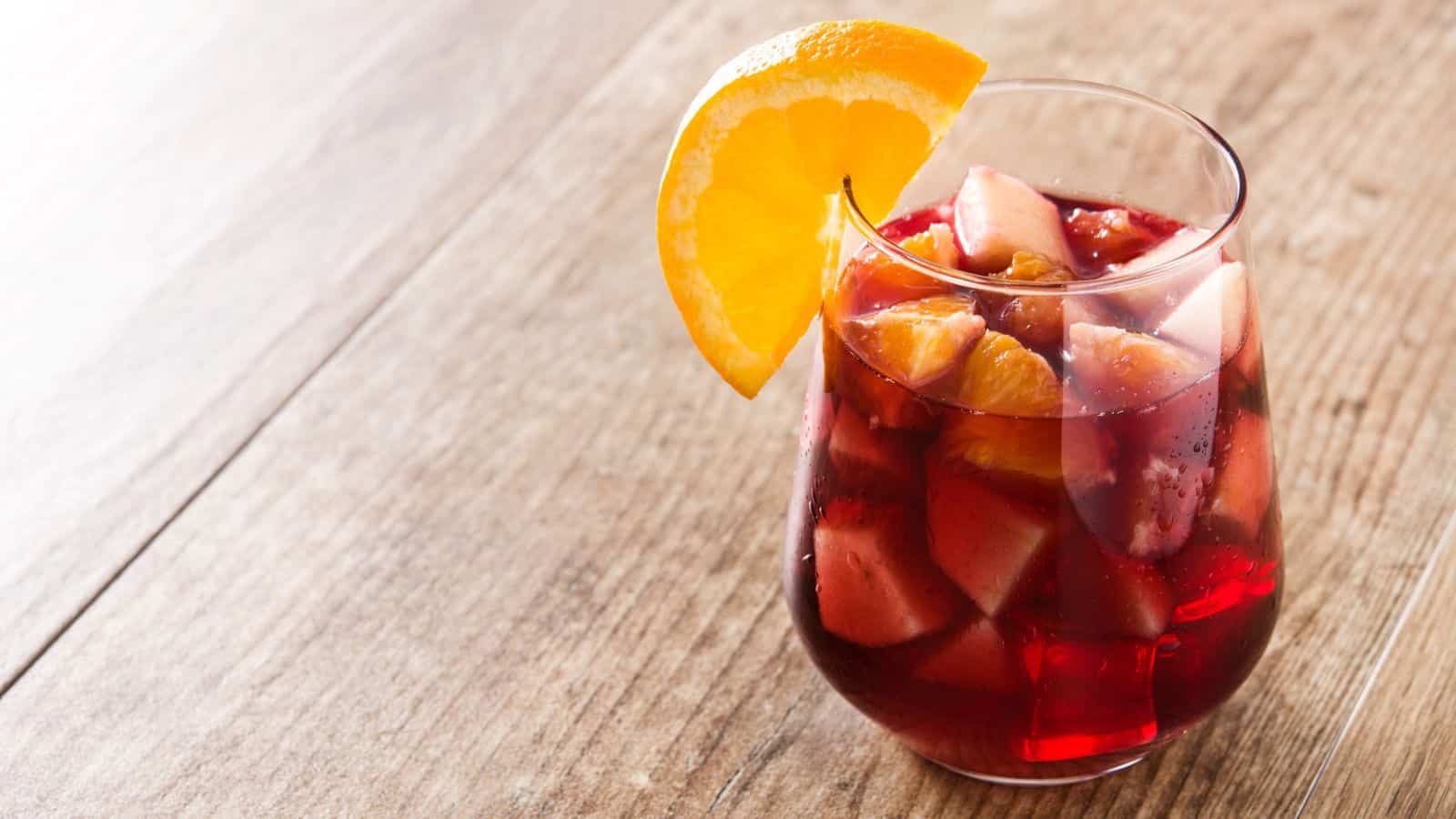
A fruity and refreshing Spanish drink, sangria is made with red wine, chopped fruit, and often a splash of brandy or orange juice. Traditionally served chilled, it is favored for social events and summer afternoons. Its vibrant color and sweet, tangy taste make sangria a hit at parties and gatherings, symbolizing the lively and convivial nature of Spanish life and guaranteeing a perfect combination of flavors.
Egypt's Lemonade
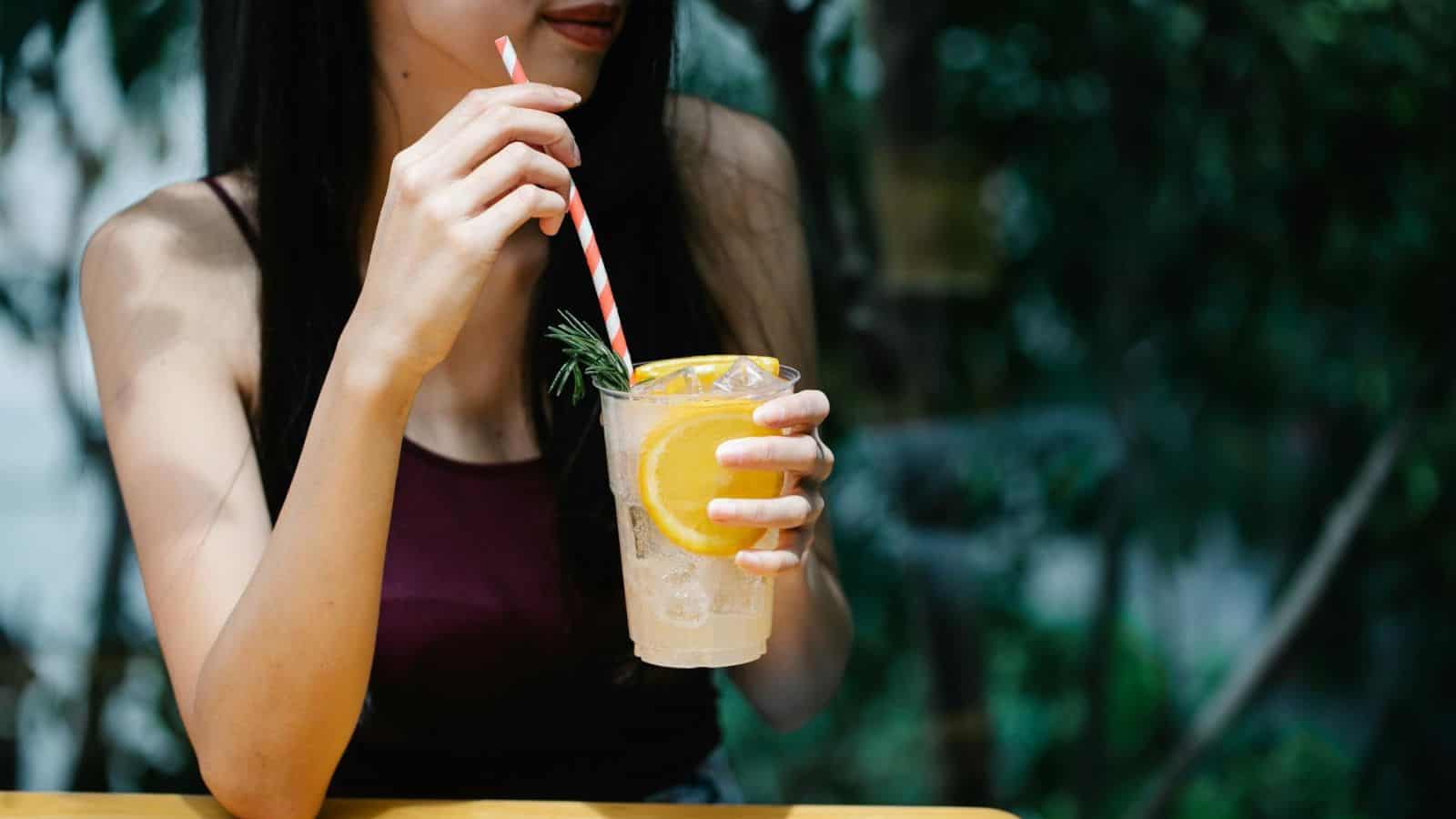
Known locally as "Limonana," Egyptian Lemonade is a refreshing beverage made from freshly squeezed lemons, water, sugar, and mint leaves. Popular in Egypt's hot climate, it is a cooling and invigorating break from the heat. The addition of mint gives this lemonade its distinct and aromatic twist, making it a favorite among locals and visitors. This drink represents both the natural flavors of the region and the culture of hospitality.
Indonesia's Es Kelapa Muda
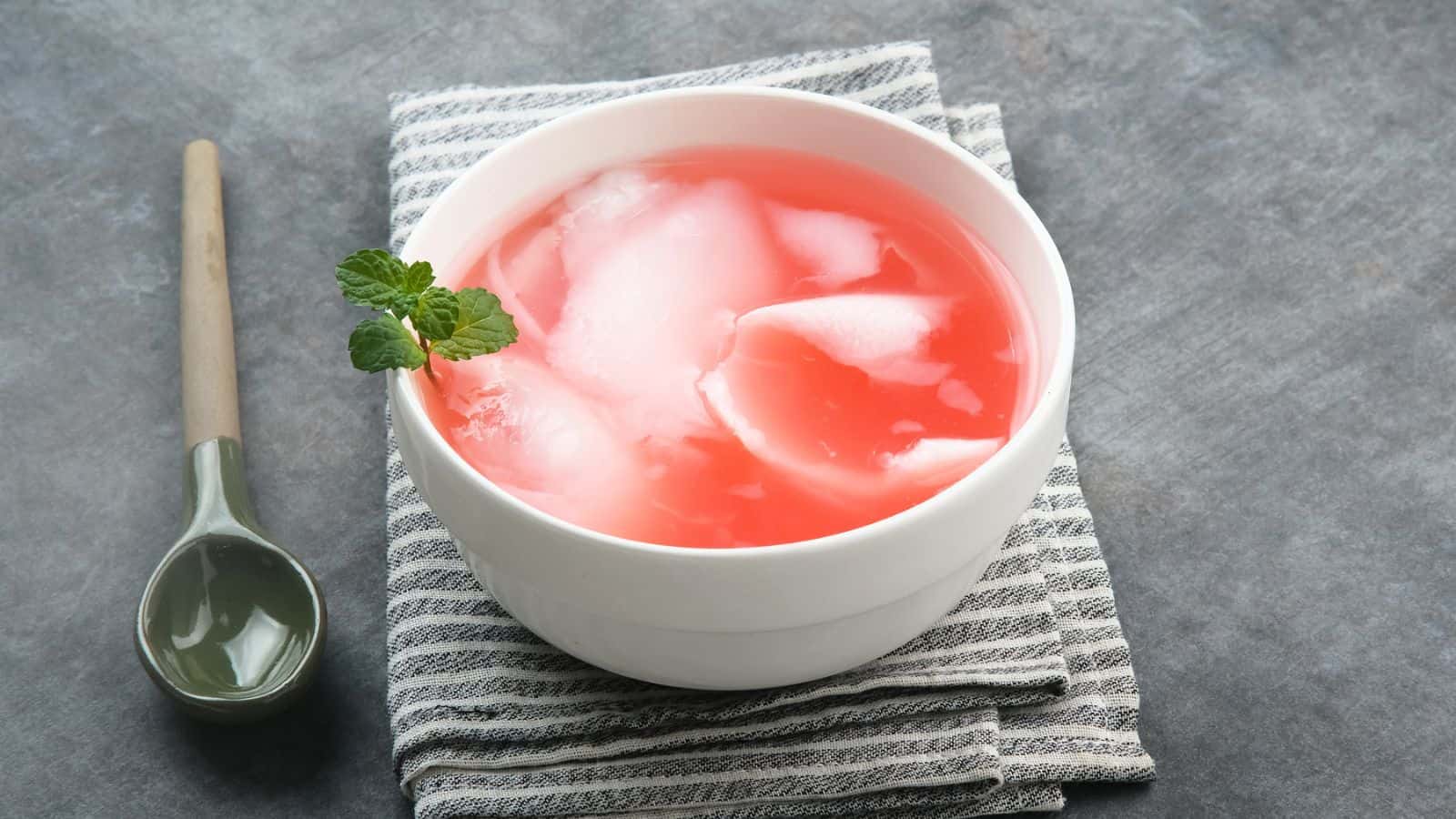
A beloved Indonesian drink, Es Kelapa Muda is made from young coconut water, coconut flesh, and ice. Often sweetened with syrup or sugar, it serves as a refreshing and hydrating beverage, especially in tropical climates. The natural sweetness and light, nutty flavor make it popular among locals and tourists. Es Kelapa Muda imparts a taste of the tropics and is an ideal way to cool down and stay hydrated.
Turkey's Raki
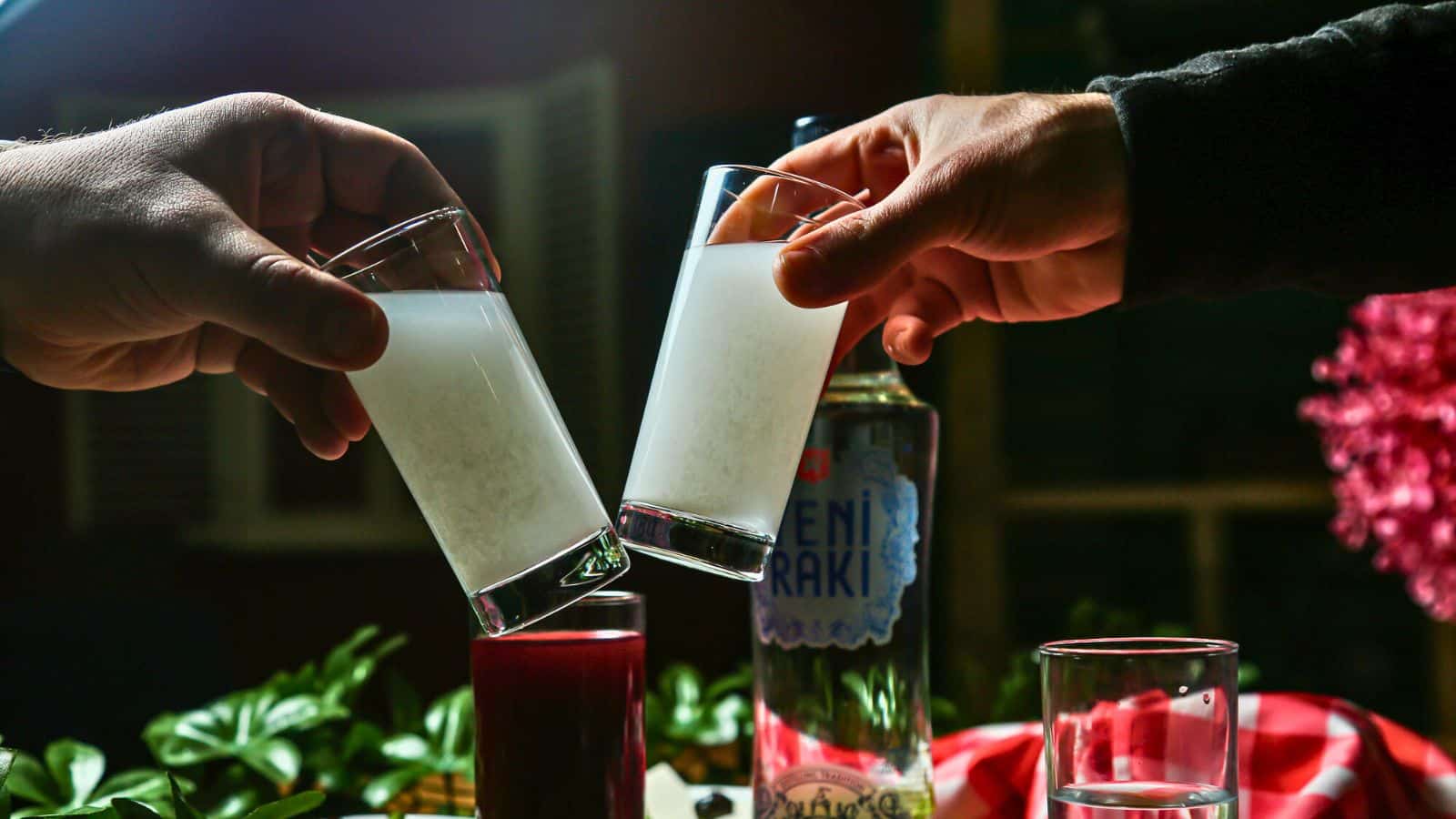
A traditional Turkish alcoholic beverage, Raki is made from distilled grapes and flavored with anise. Known as "lion's milk" due to its milky appearance when mixed with water, Raki is typically enjoyed as an aperitif and paired with meze, a selection of small dishes. Its strong, licorice-like flavor and cultural importance make it a staple in Turkish social settings, reflecting the country's rich food traditions and social customs.
Taiwan's Boba Tea
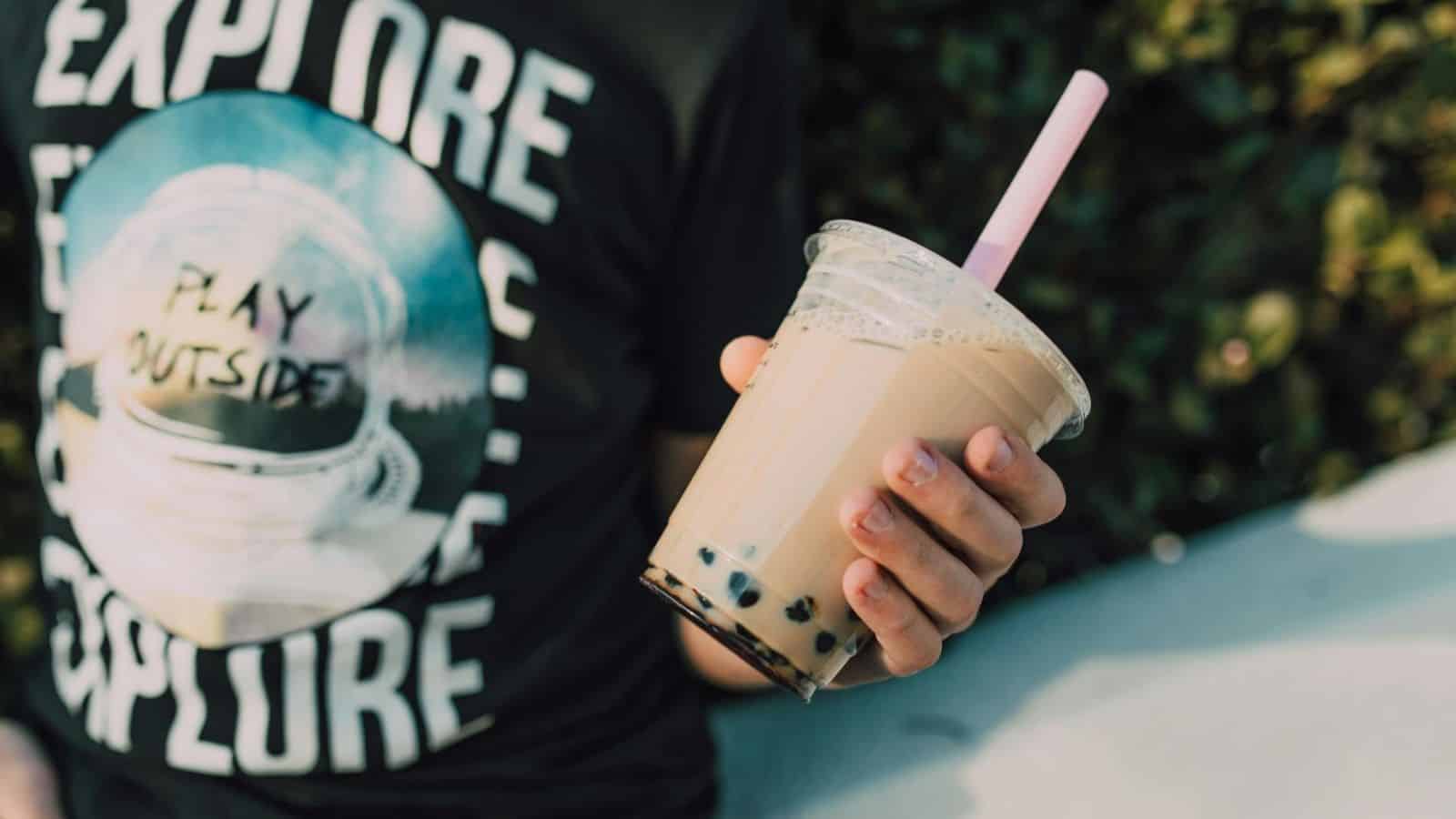
Also known as bubble tea, boba tea is a popular drink that combines tea, milk, sugar, and chewy tapioca pearls. It can be made with various teas, including black, green, and oolong, and is often sweetened and served cold. The addition of tapioca pearls adds a unique texture, making it both a refreshing and fun beverage enjoyed by people of all ages worldwide.
Mexico's Tequila
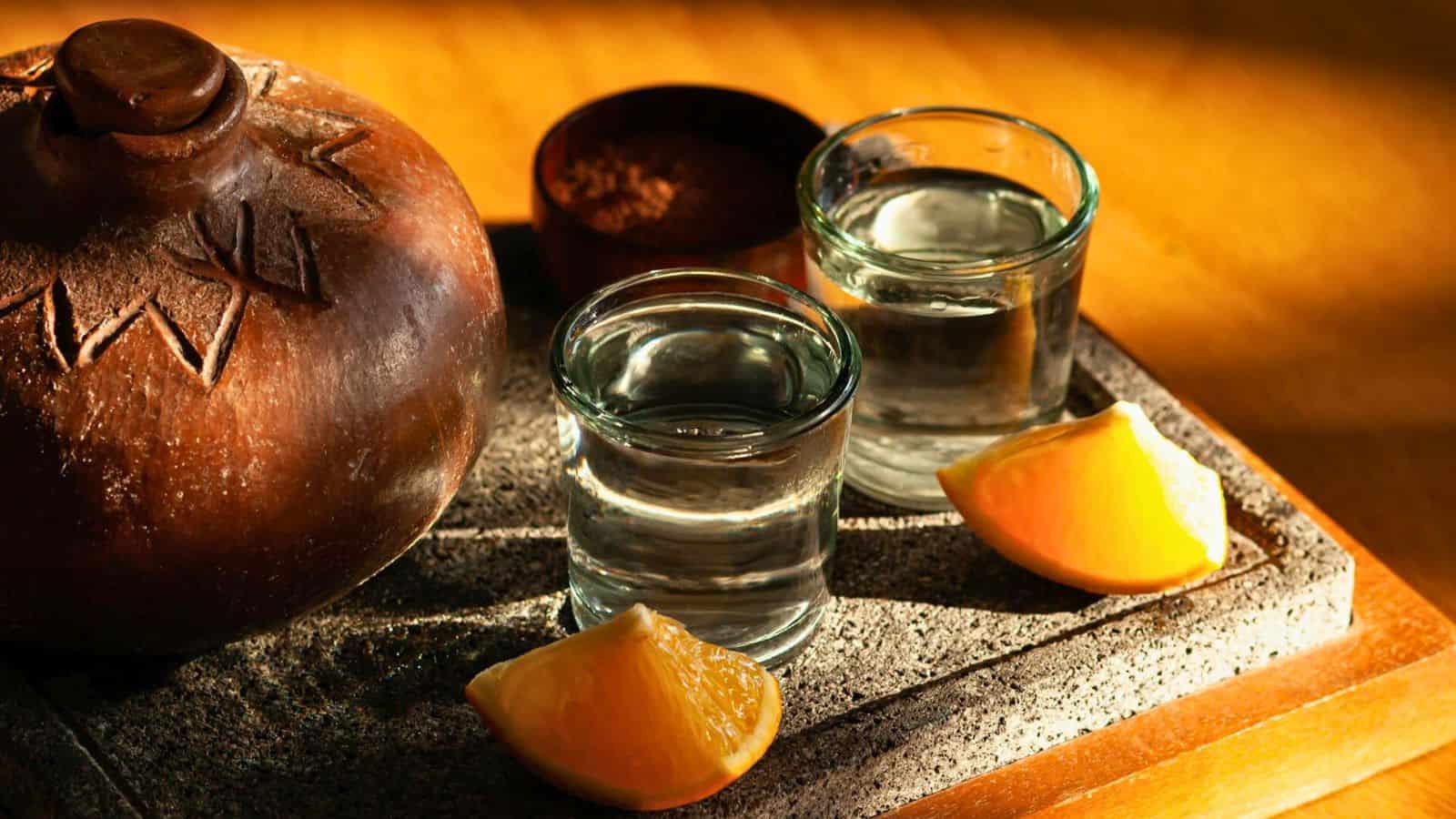
Mexico's iconic spirit, tequila, is made from the blue agave plant primarily in the area surrounding the city of Tequila. Known for its bold and distinct flavor, it is enjoyed in various forms such as blanco, reposado, and añejo. Tequila is a key component in margaritas and is also traditionally sipped straight. This spirit symbolizes Mexican heritage and celebration, guaranteeing a taste that is deeply rooted in the country's culture.
France's Champagne

A prestigious sparkling wine, Champagne is produced in the Champagne region of France. Made through a meticulous fermentation process, it is known for its fine bubbles, crisp acidity, and complex taste. Often linked with celebrations and special occasions, champagne stands for luxury and elegance. This sparkling wine is a preferred choice for toasts and festivities, guaranteeing a sophisticated drinking experience that embodies French winemaking excellence.
South America's Yerba Mate
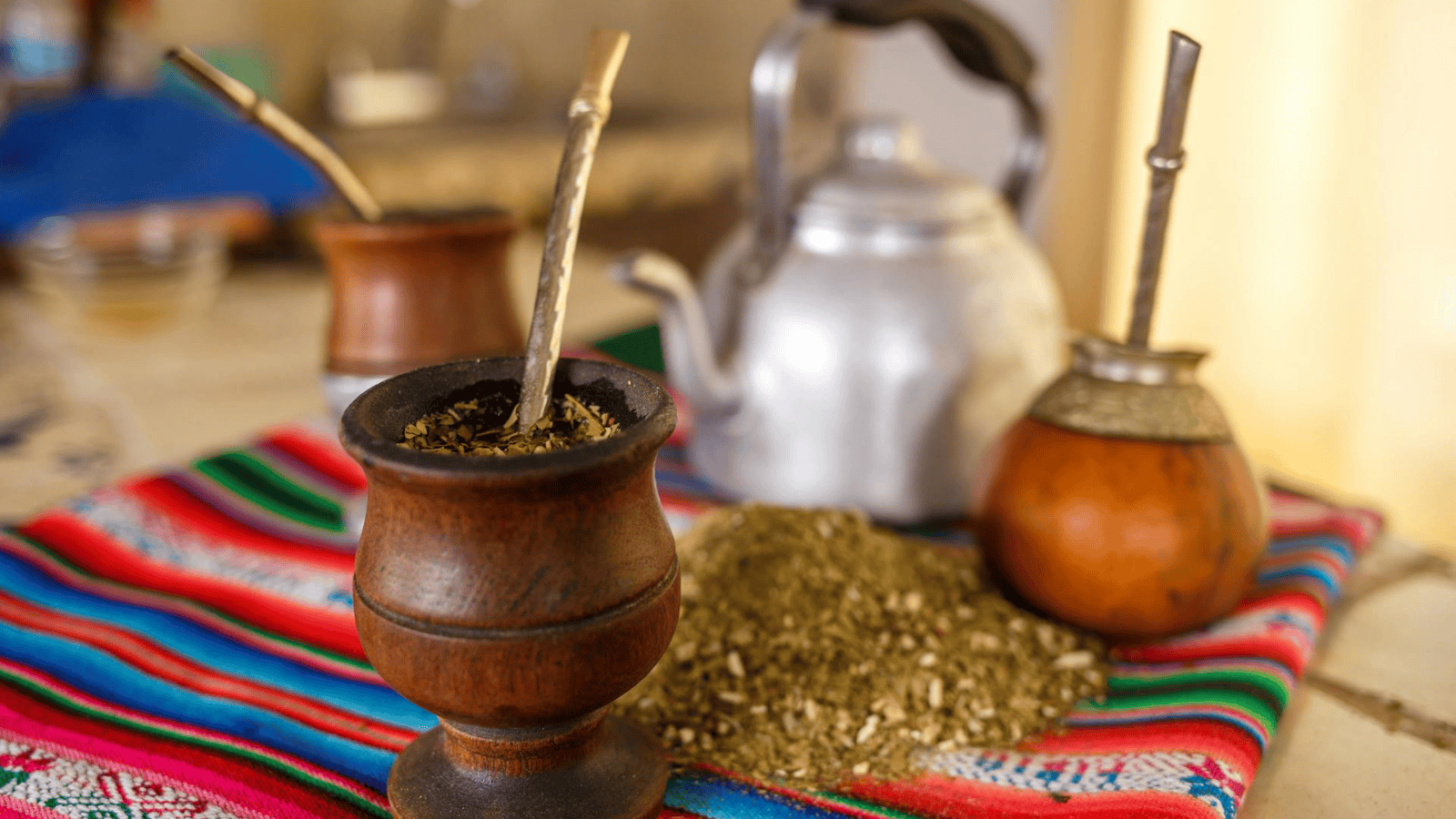
A traditional South American drink, Yerba Mate is made from the dried leaves of the Ilex paraguariensis plant. Typically brewed in a hollowed gourd and sipped through a metal straw called a bombilla, Yerba Mate is noted for its earthy flavor and high caffeine content. It is cherished for its stimulating effects and social significance, often shared among friends and family, reflecting the communal culture of South America.
China's Moutai
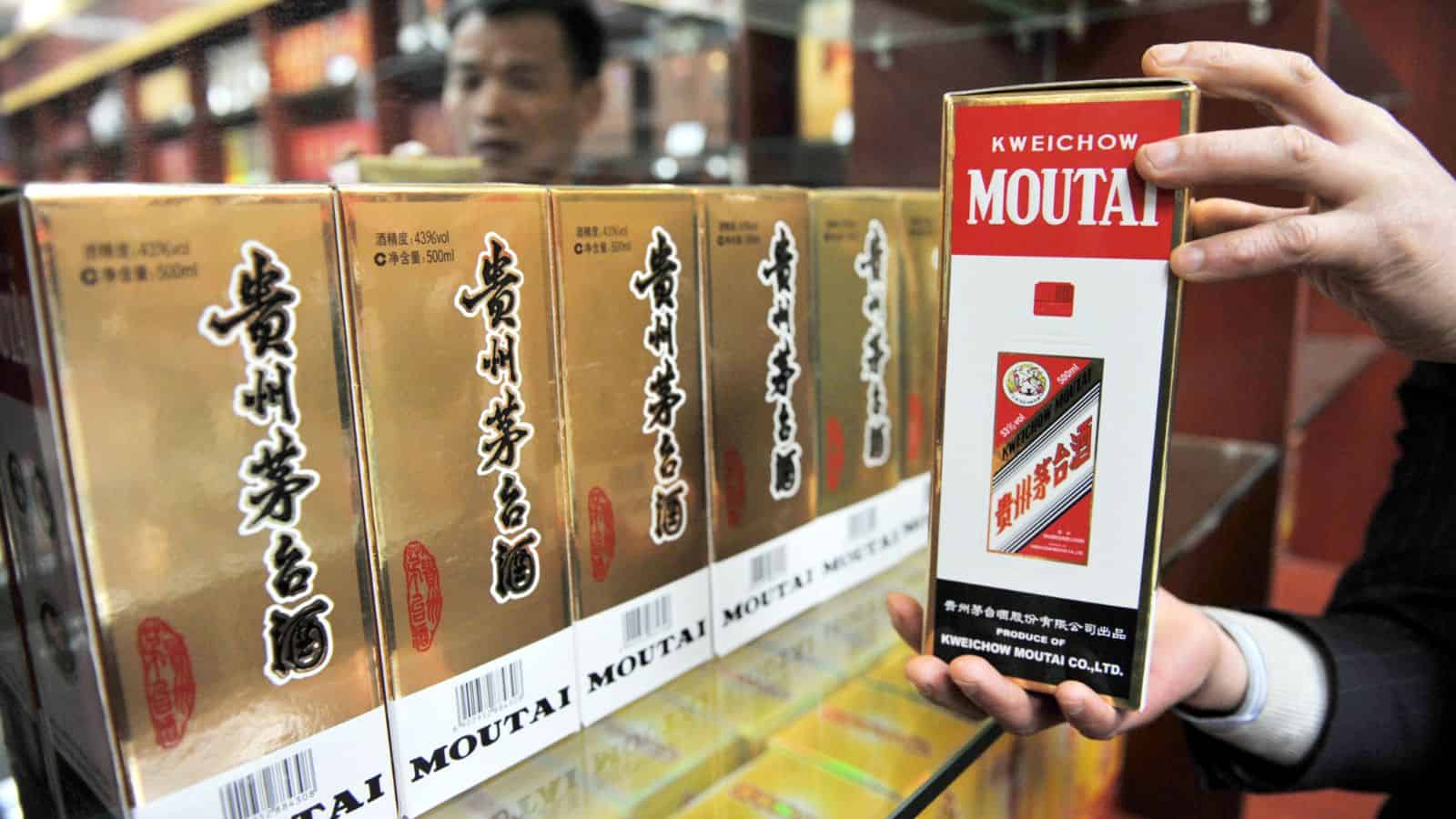
A renowned Chinese spirit, Moutai is a type of baijiu (colorless Chinese liquor with 35%-65% alcohol content made from fermented sorghum. It boasts a robust and complex flavor profile with notes of soy sauce, nuts, and herbs. Often served at official banquets and celebrations, Moutai symbolizes prestige and cultural heritage in China. This spirit reflects the country's long history of distilling and ceremonial drinking, giving a taste that is both rich and intricate.
England's Cider
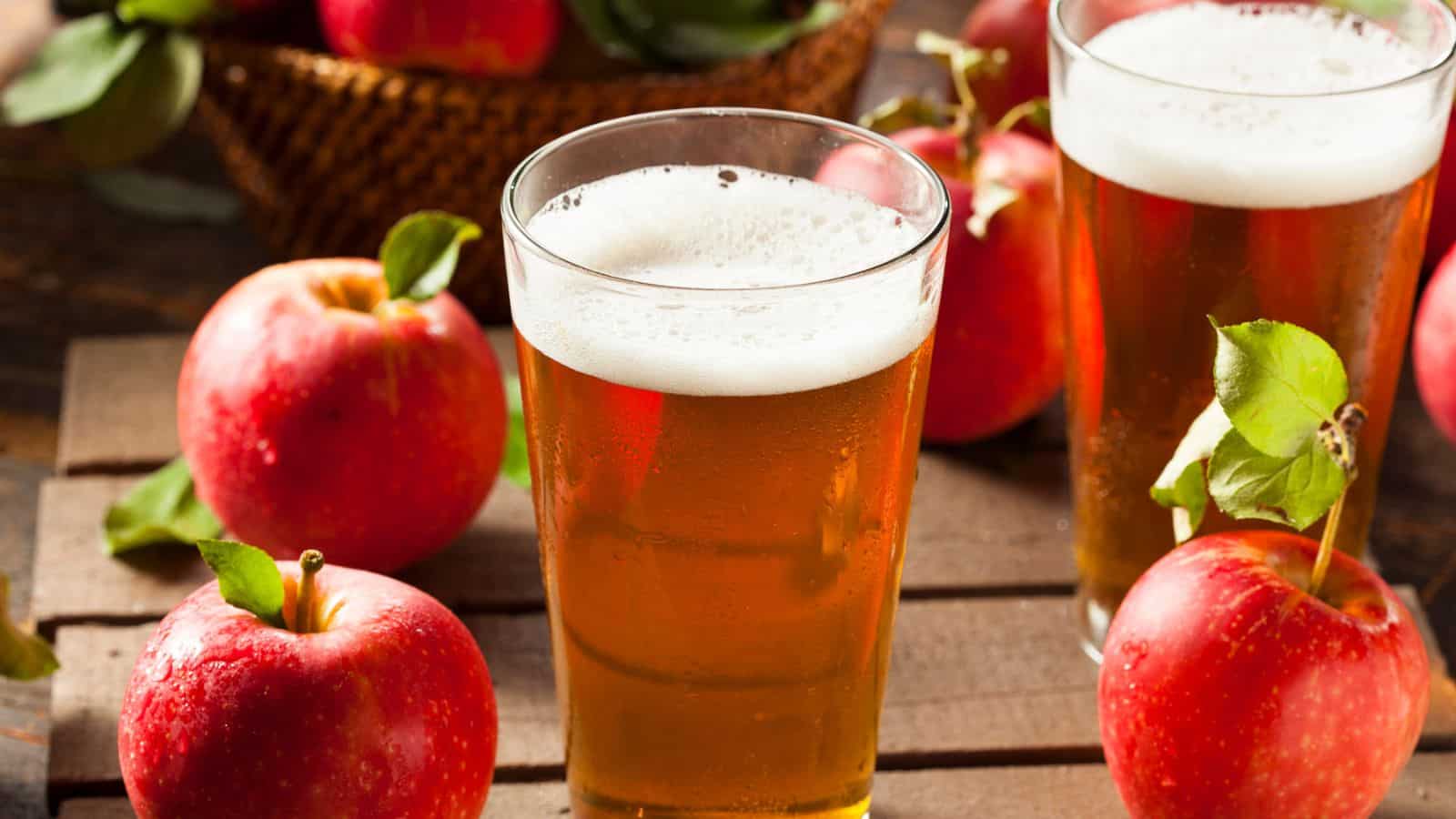
A widely enjoyed alcoholic beverage in England, cider is made from fermented apple juice. Known for its crisp and refreshing taste, it ranges from sweet to dry and is favored year-round. Cider plays a significant role in English culture, often associated with countryside traditions and festivals. It gives a taste of the region's agricultural bounty and social conviviality, guaranteeing a refreshing and fun drinking experience.
Cuba's Mojito

A classic Cuban cocktail, mojito is made with white rum, fresh lime juice, sugar, mint leaves, and soda water. Known for its refreshing and minty flavor, it is perfect for hot weather. The mix of citrus and mint, along with the rum, makes the mojito a popular choice worldwide. This cocktail embodies the lively and vibrant spirit of Cuba, giving a refreshing escape with every sip.
South Korea's Soju
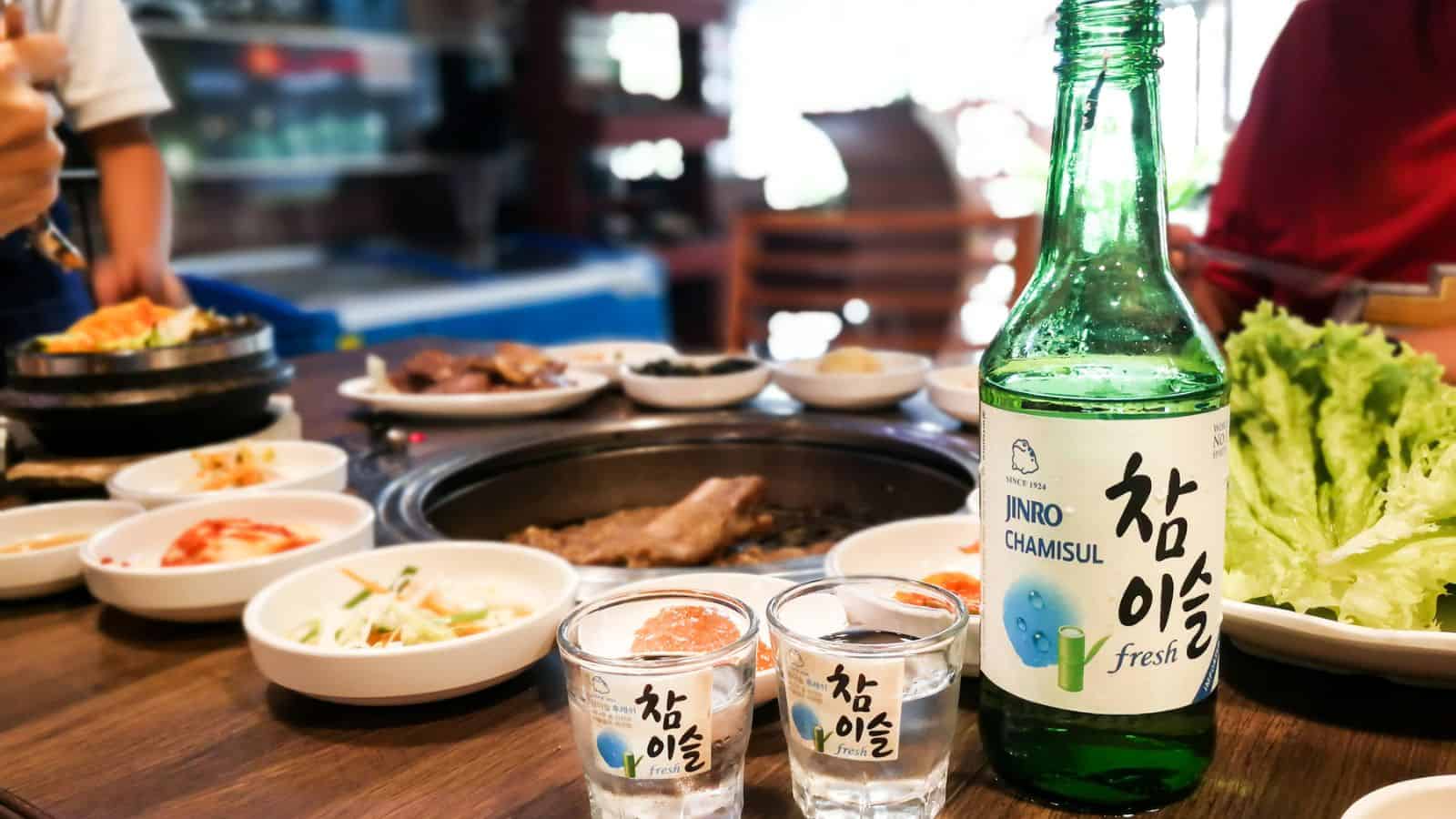
A clear, distilled alcoholic beverage from South Korea, soju is traditionally made from rice, barley, or wheat. With a slightly sweet taste and a relatively high alcohol content, soju is typically enjoyed neat, often accompanying Korean barbecue and other traditional dishes. Its versatility in cocktails and its cultural significance make it a favorite in Korean social settings, guaranteeing a drink that is both adaptable and deeply rooted in tradition.
Germany's Fanta
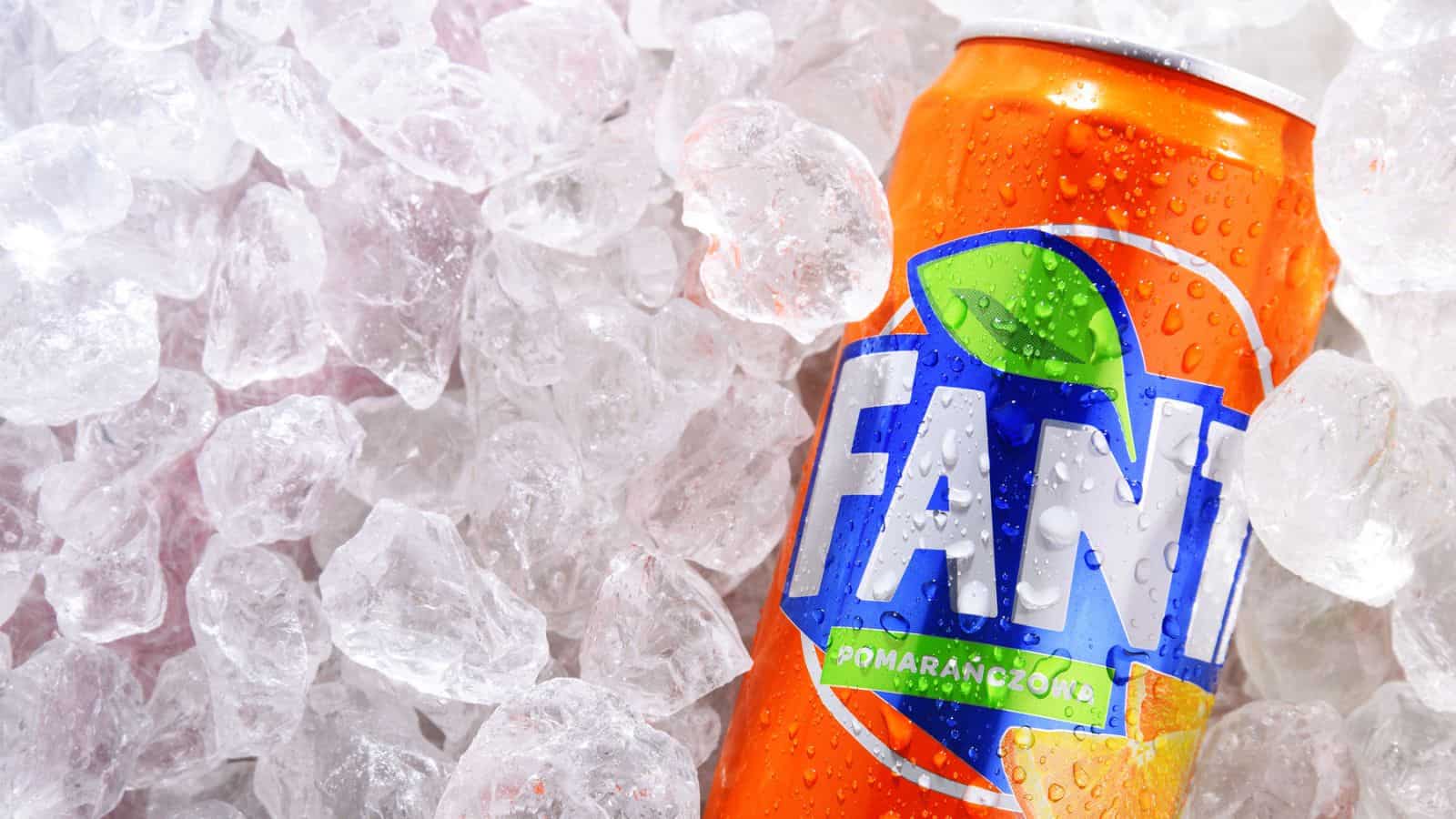
A globally popular fruit-flavored soda, Fanta was initially developed in Germany. Known for its bright orange color and sweet, citrusy taste, Fanta is enjoyed by people of all ages. It has expanded to include various fruit flavors, becoming a popular choice in many countries. This soda's vibrant branding and lively taste have made it a beloved drink, imparting a fun and refreshing experience that appeals to a wide audience.
Ireland's Guinness
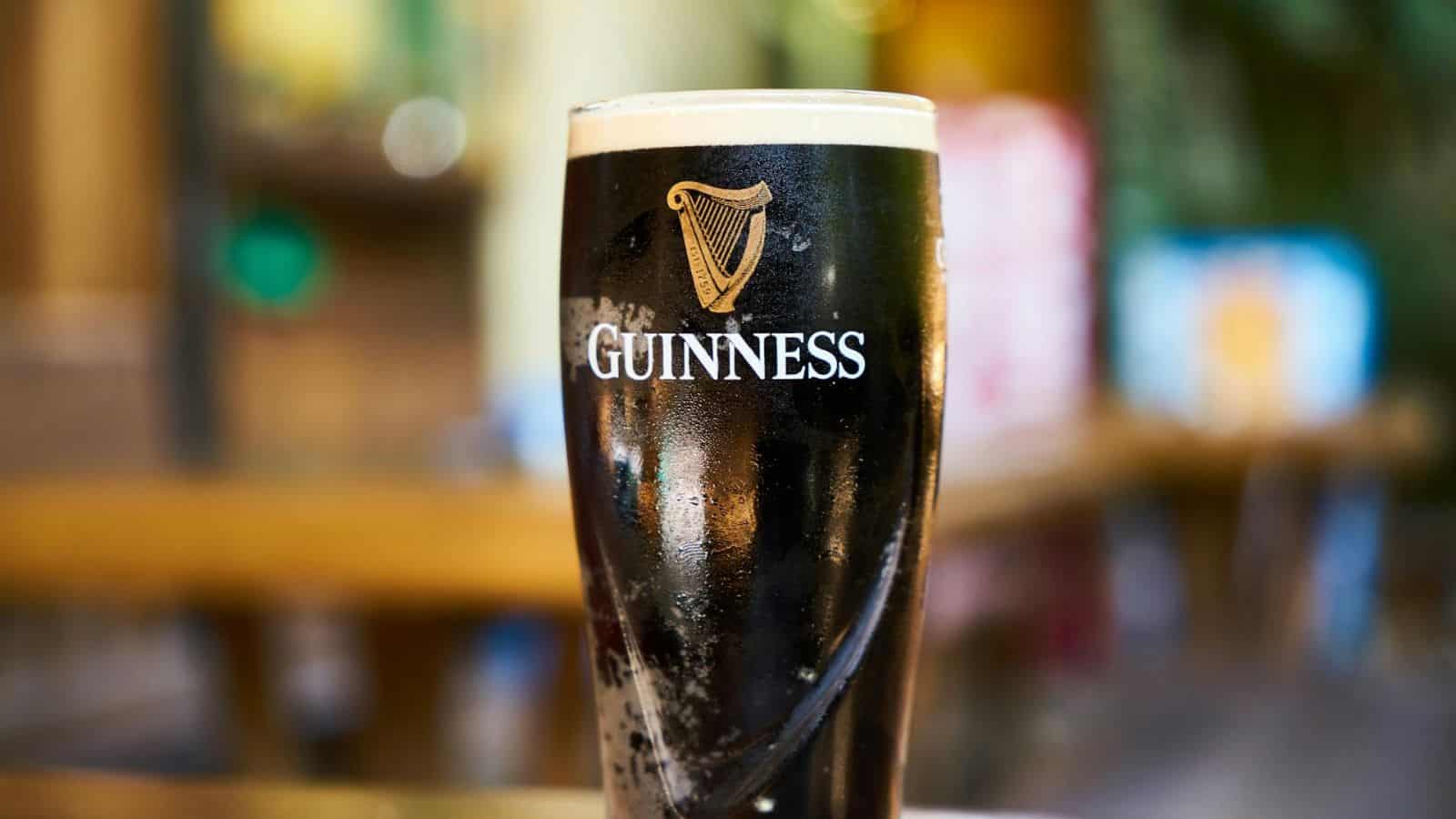
A world-renowned Irish stout, Guinness is noted for its dark color, creamy head, and rich, malty flavor. First brewed in Dublin in 1759, it has become a symbol of Irish culture and pride. Guinness is enjoyed worldwide, particularly on St. Patrick's Day, and is often praised for its distinctive, smooth taste. This stout represents both the tradition and craftsmanship of Irish brewing, giving anyone a memorable drinking experience.
Russia's Vodka
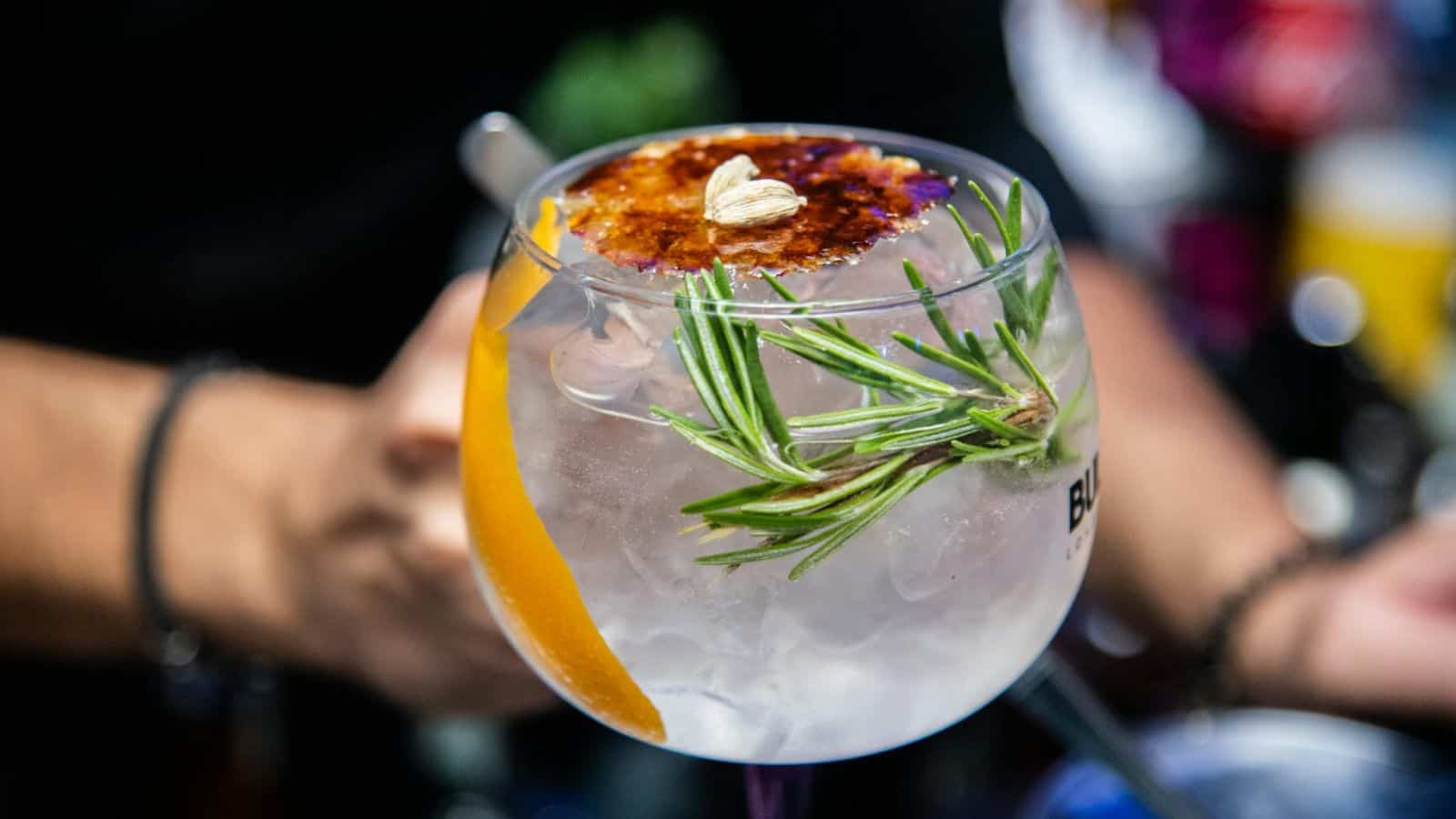
A staple of Russian culture, vodka is a clear, distilled spirit made primarily from grains or potatoes. Known for its purity and lack of strong flavor, it is enjoyed neat or used as a base for many cocktails. Vodka plays a central role in Russian social and celebratory occasions, reflecting the country's rich tradition of distilling. This spirit guarantees a clean and versatile drinking experience, deeply rooted in Russian heritage.
Sip the World's Best!

Exploring the world through popular drinks is like taking a journey without leaving your seat. Each beverage tells a story of its origins, traditions, and the people who enjoy it. These drinks connect us to different cultures in a deeply personal way.
By learning about these beverages, we also gain a greater appreciation for the rich tapestry of global traditions. It's fascinating to see how ingredients, climate, and history influence what people drink and how they drink it. It's a great reminder that, despite our differences, we all share the simple joy of a good beverage.
So next time you raise a glass, remember the stories and traditions behind what you're sipping. Whether it's a familiar favorite or a new discovery, let it be a reminder of our shared humanity. Cheers to the diverse and flavorful world we live in!


Comments
No Comments