
Red wine is more than just a drink; it's a trip through history, regions, and flavors. Each of these 12 red wine varietals has its own story to tell, and knowing these stories can make your wine experience richer. Wine has been crafted for centuries, with each variety having distinct characteristics influenced by the climate, soil, and winemaking traditions of its origin.
Whether you're a seasoned wine lover or just starting to explore, understanding different types of red wine can help you find new favorites and impress your friends at the next dinner party. From the bold and robust to the light and fruity, red wines span a spectrum of tastes and aromas that can complement any meal or occasion.
So, grab a glass and let's talk about the various fascinating varietals of red wine. Learn about the characteristics that define them, and perhaps even find a new go-to wine. This guide will give you the insights to make the most of your red wine experience. Cheers to exploring new horizons and savoring the great flavors of red wine!
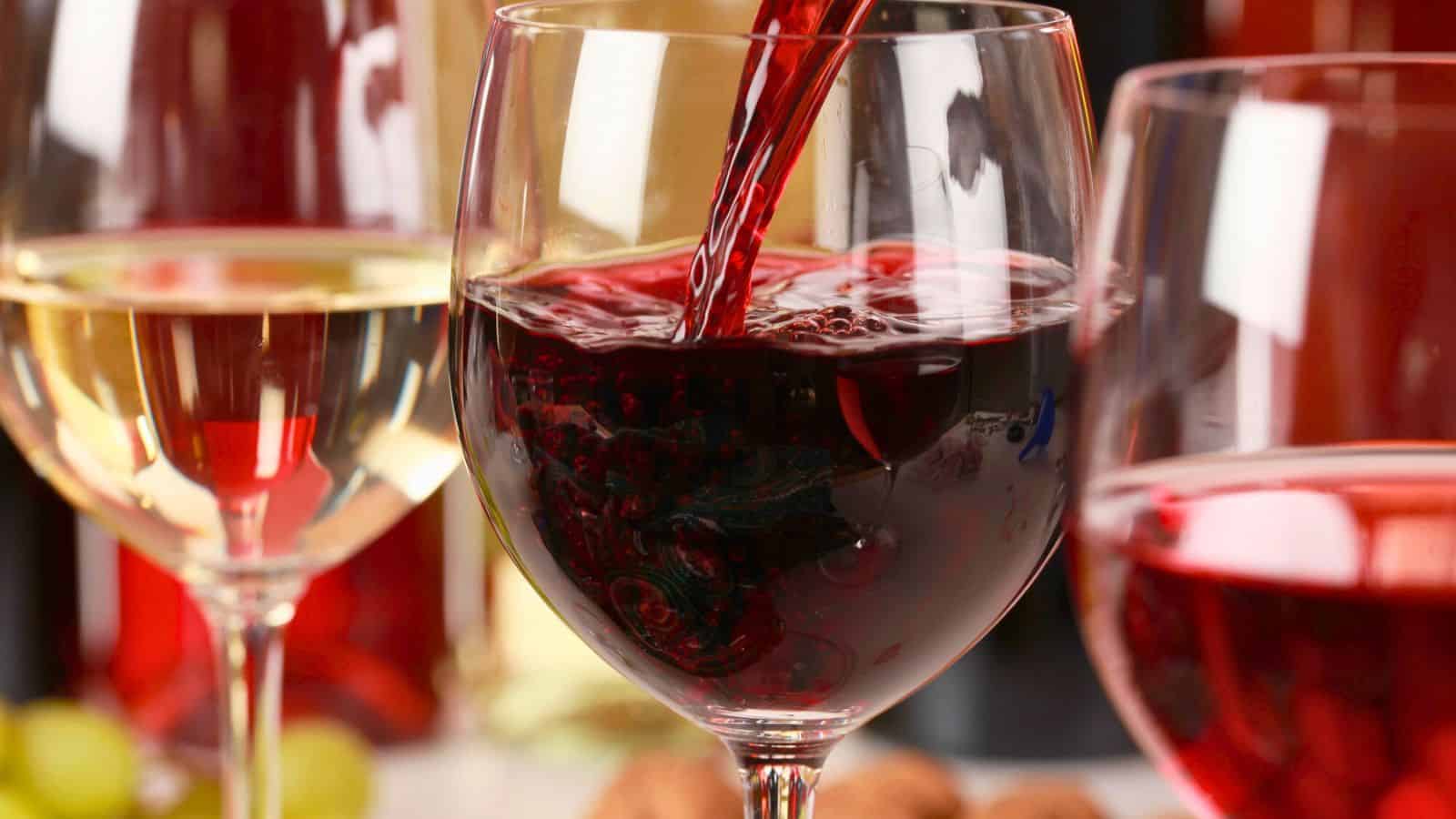
Cabernet Sauvignon
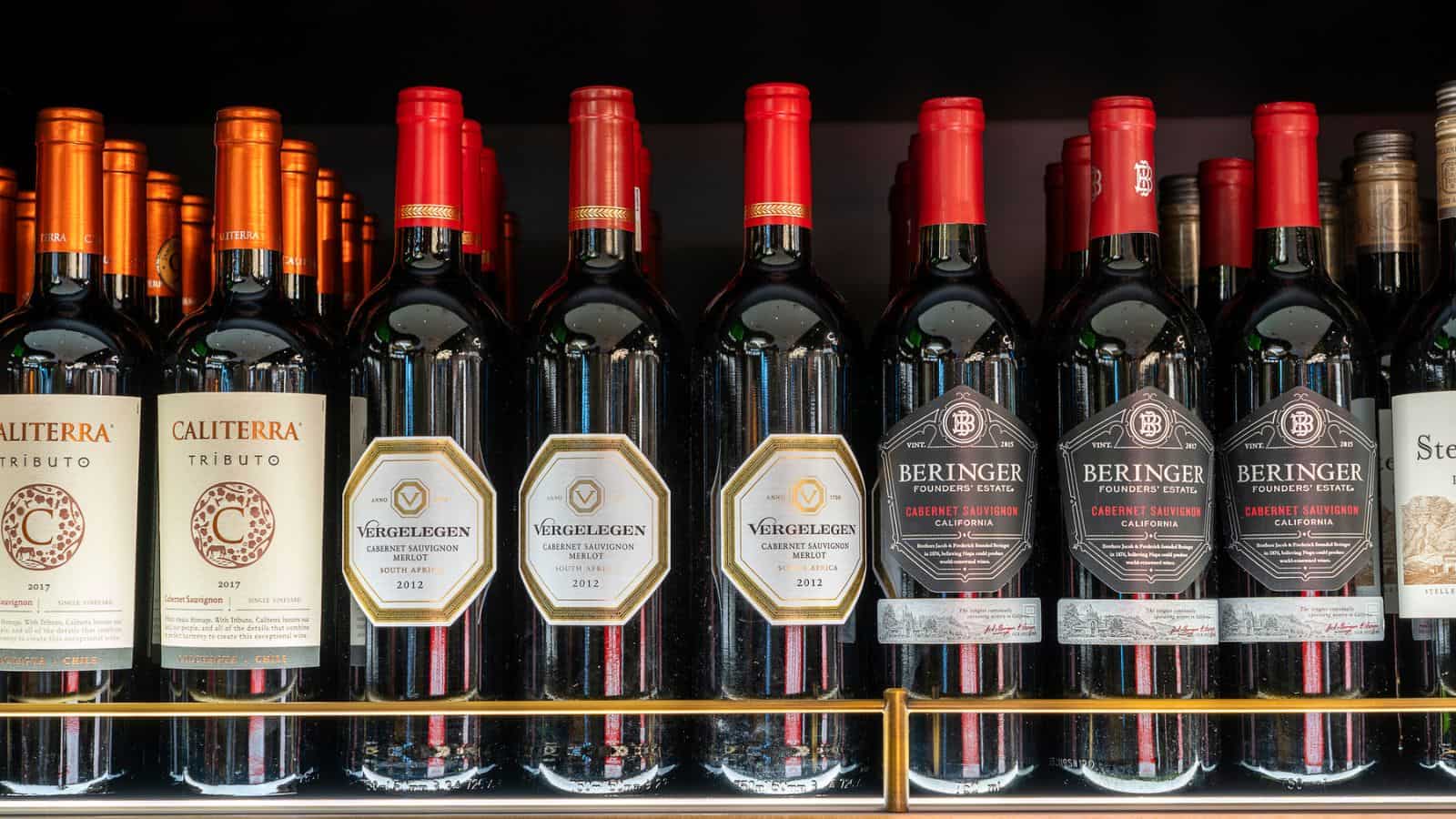
Cabernet Sauvignon is a highly regarded red wine known for its full-bodied nature and robust tannins. It often exhibits dark fruit flavors such as blackberry and blackcurrant, making it a rich and intense option. Oak aging adds layers of complexity with hints of vanilla, cedar, and spice. This varietal pairs excellently with hearty dishes like steak and lamb, balancing the rich flavors with its structured profile. It is often considered the king of red wines, widely appreciated for its depth and aging potential. This grape thrives in various climates, contributing to its widespread popularity.
Merlot
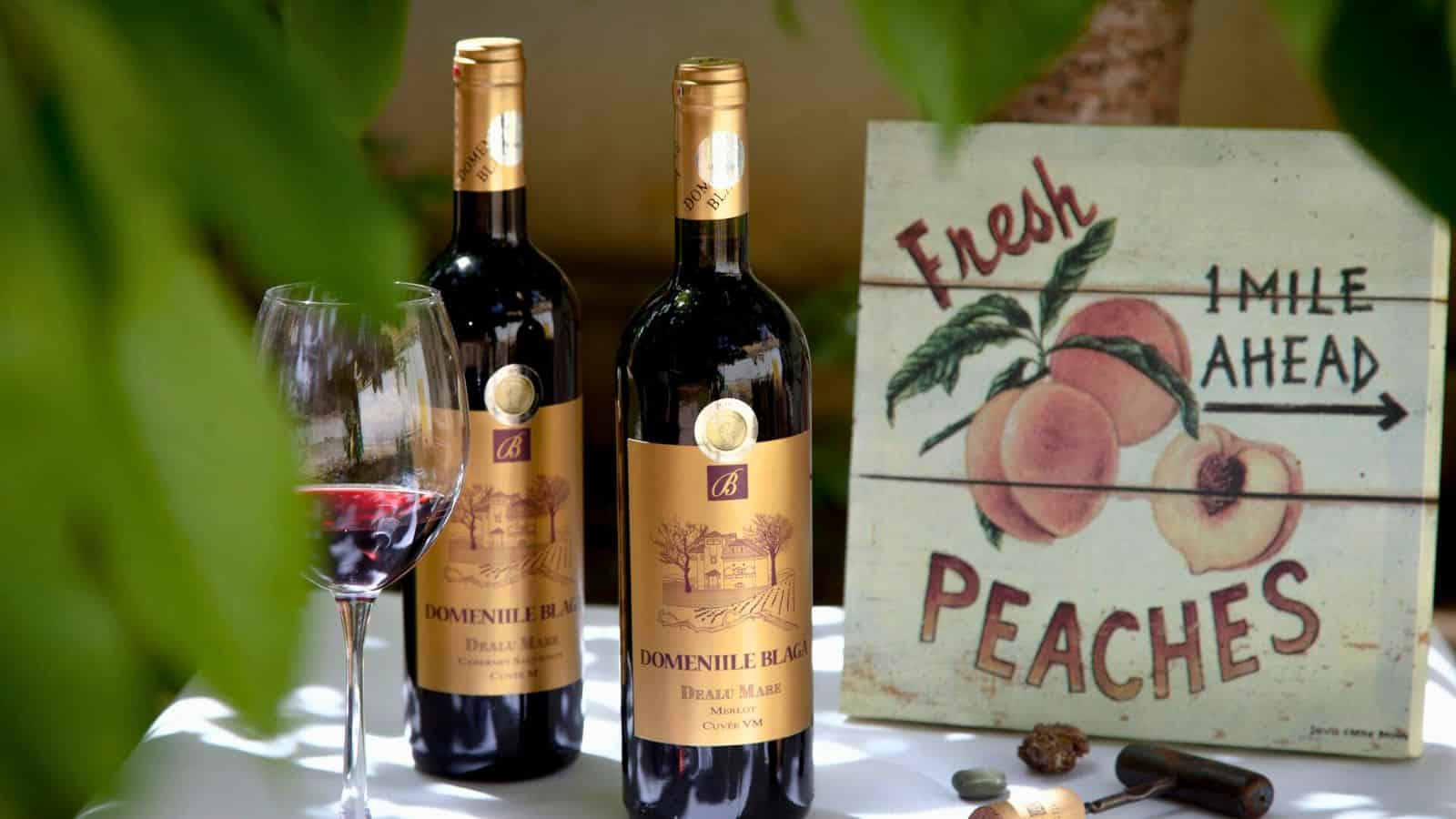
Merlot is a versatile red wine, often praised for its smooth and velvety texture. It presents a medium to full body with flavors of plum, black cherry, and cocoa. The tannins are soft, making it an approachable choice for many palates. Merlot is a great companion to a variety of dishes, from roast chicken to pasta, thanks to its balanced acidity and pleasant fruitiness. Its gentle profile makes it a favorite for both new and seasoned wine drinkers, and it is often used in blends to soften more tannic wines like Cabernet Sauvignon.
Pinot Noir
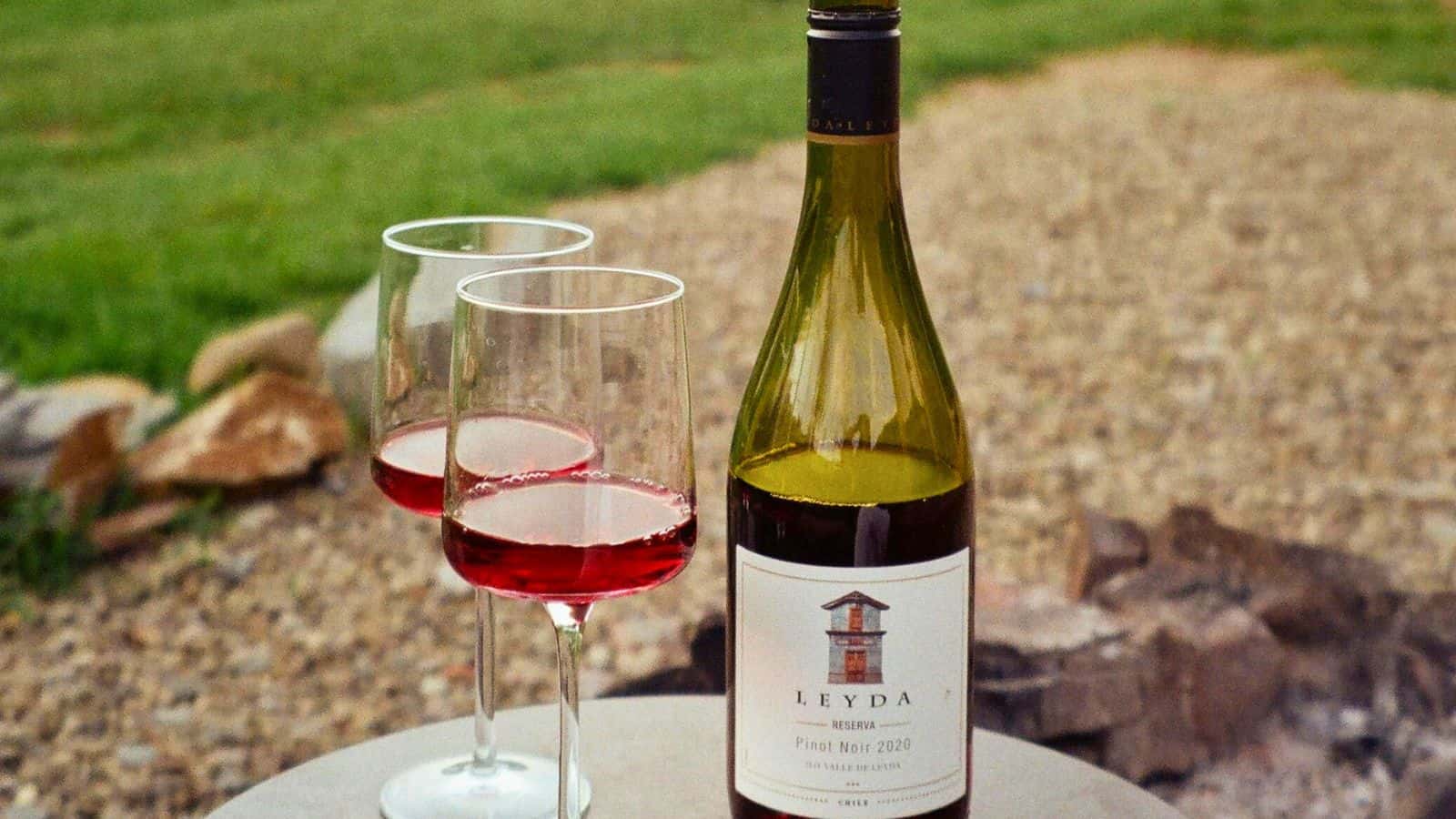
Pinot Noir is a lighter-bodied red wine that charms with its delicate flavors and high acidity. It often reveals a bouquet of red fruits like cherry, raspberry, and strawberry, accompanied by earthy undertones and a hint of spice. Its low tannin content and elegant profile make it an excellent match for dishes like grilled salmon, duck, mushroom-based recipes, and even desserts, highlighting its versatility. Known for its finicky growing conditions, Pinot Noir thrives in cooler climates, producing some of the world's most elegant and nuanced wines.
Syrah/Shiraz
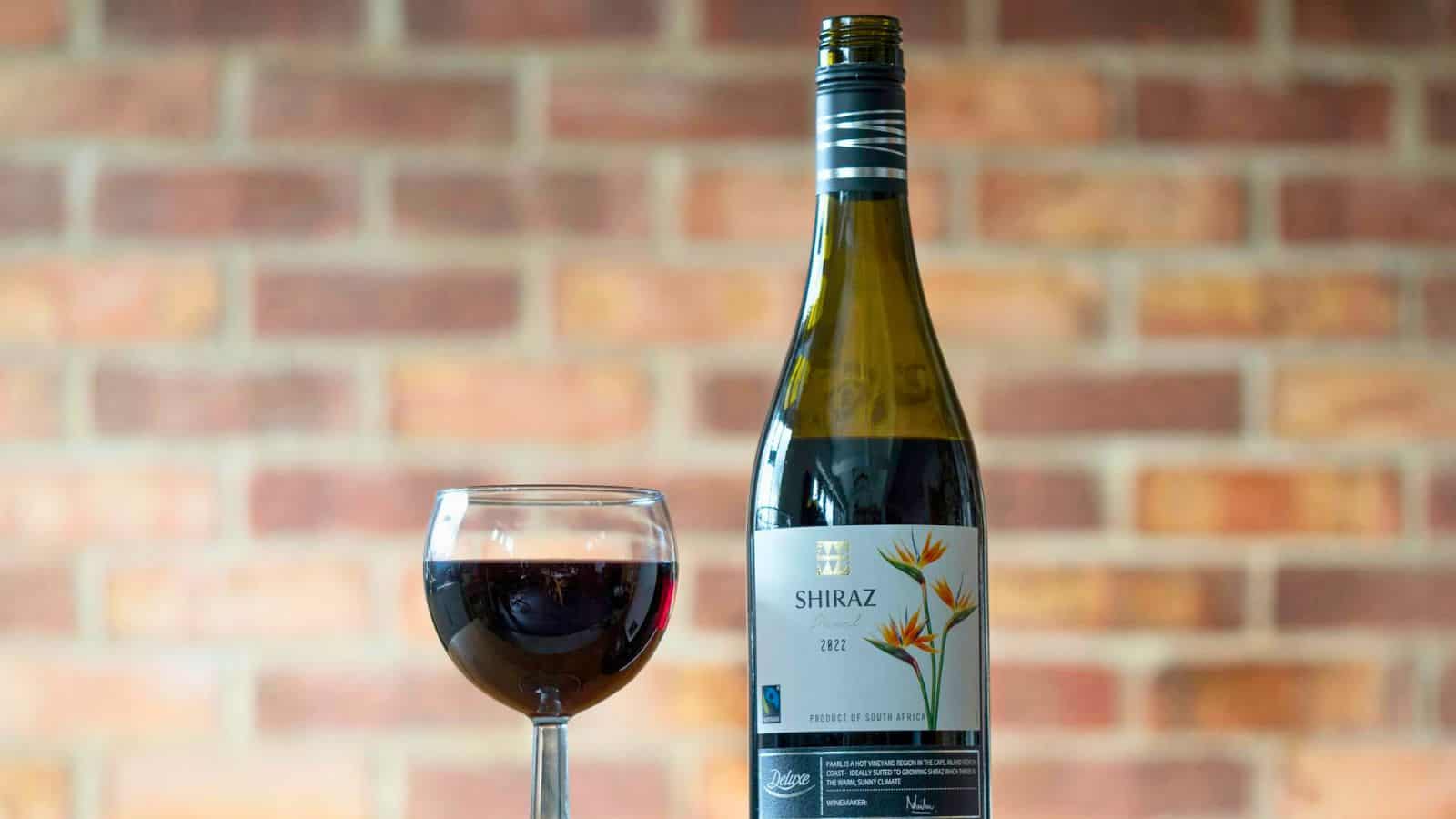
Syrah, also known as Shiraz, is a bold red wine characterized by its full body and powerful tannins. The flavor profile includes dark berries, such as blackberry and blueberry, complemented by peppery and sometimes smoky notes. Depending on the region, it can also exhibit hints of chocolate and leather. This wine pairs well with barbecued meats and strong cheeses, making it a favorite for rich meals. Syrah from cooler climates tends to be more elegant, while warmer regions produce richer, fruit-forward styles.
Malbec
Malbec is distinguished by its deep color and intense flavor profile. It often features dark fruit notes like black cherry and plum, with a touch of chocolate and vanilla from oak aging. The wine has a smooth texture and medium to high tannins. Originating from France but flourishing in Argentina, Malbec pairs beautifully with grilled meats, especially beef, due to its robust and concentrated nature. Argentine Malbecs are particularly renowned for their quality and value, often showcasing a perfect balance of fruit and spice.
Zinfandel
Zinfandel is a red wine that bursts with fruit-forward flavors, primarily red and black berries like raspberry and blackberry. It can range from medium to full-bodied, with a peppery finish that adds a layer of complexity. Zinfandel's versatility makes it a great partner for a wide range of foods, including spicy dishes, barbecued ribs, and even rich tomato-based pasta sauces. Known for its sometimes higher alcohol content, Zinfandel can also have a jammy quality, making it a distinct and flavorful choice for wine enthusiasts.
Sangiovese

Sangiovese, the grape behind Chianti, is known for its bright acidity and firm tannins. It often features flavors of red cherry, plum, and subtle earthy notes, sometimes accompanied by herbal nuances. This Italian varietal pairs exceptionally well with tomato-based dishes, grilled meats, and aged cheeses, enhancing the savory elements of these foods while imparting a refreshing contrast. Sangiovese is the most widely planted grape in Italy, guaranteeing a wide range of styles from light and fruity to more complex and age-worthy.
Tempranillo
Tempranillo is Spain's most famous red grape, renowned for its medium to full body and moderate tannins. The flavor profile includes red fruits like cherry and plum, along with hints of dried fig, leather, and tobacco. Often aged in oak, it can also exhibit notes of vanilla and spice. Tempranillo pairs wonderfully with Spanish cuisine, such as tapas, cured meats, and paella, showcasing its versatility. The grape is central to regions like Rioja and Ribera del Duero, where it produces some of Spain's most prestigious wines.
Grenache/Garnacha

Grenache, or Garnacha in Spain, is a red wine varietal known for its juicy fruit flavors, including strawberry, raspberry, and sometimes a touch of white pepper. It's typically medium-bodied with low to medium tannins, making it a friendly and approachable choice. Grenache works well with a variety of foods, from grilled vegetables to roast pork, and is a key component in many blends. It is particularly important in regions like the Rhône Valley and Priorat, where it contributes to both single varietal wines and complex blends.
Nebbiolo
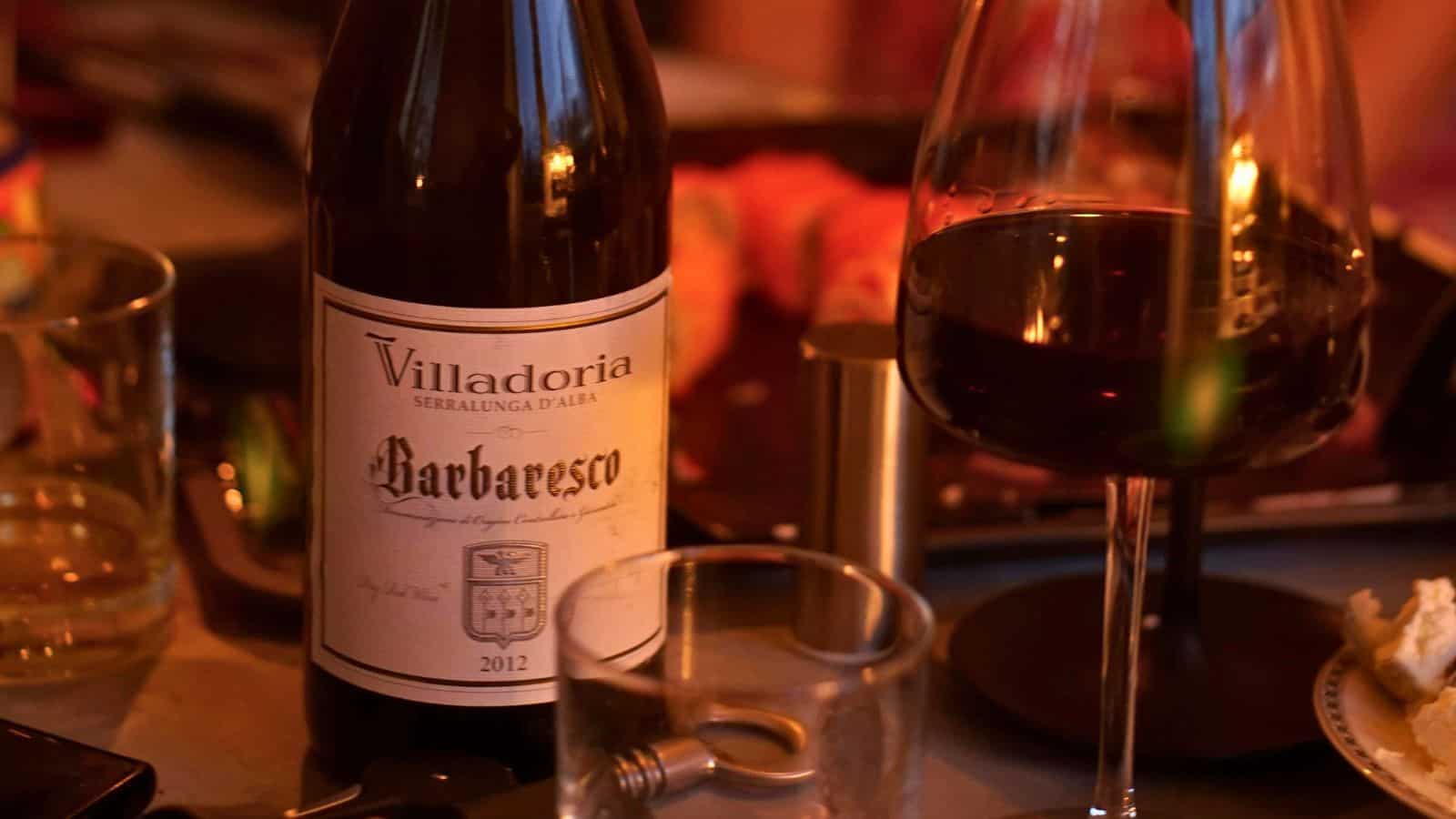
Nebbiolo is a highly regarded Italian varietal, particularly in the wines of Barolo and Barbaresco. It features high tannins and acidity, with flavors of cherry, rose, and tar. Nebbiolo wines are known for their aging potential, developing complex aromas of dried fruits, leather, and spices over time. They pair excellently with rich dishes like braised meats, truffles, and hard cheeses. Often called the king of Italian wines, Nebbiolo's complexity and structure make it a favorite among serious wine collectors and enthusiasts.
Barbera
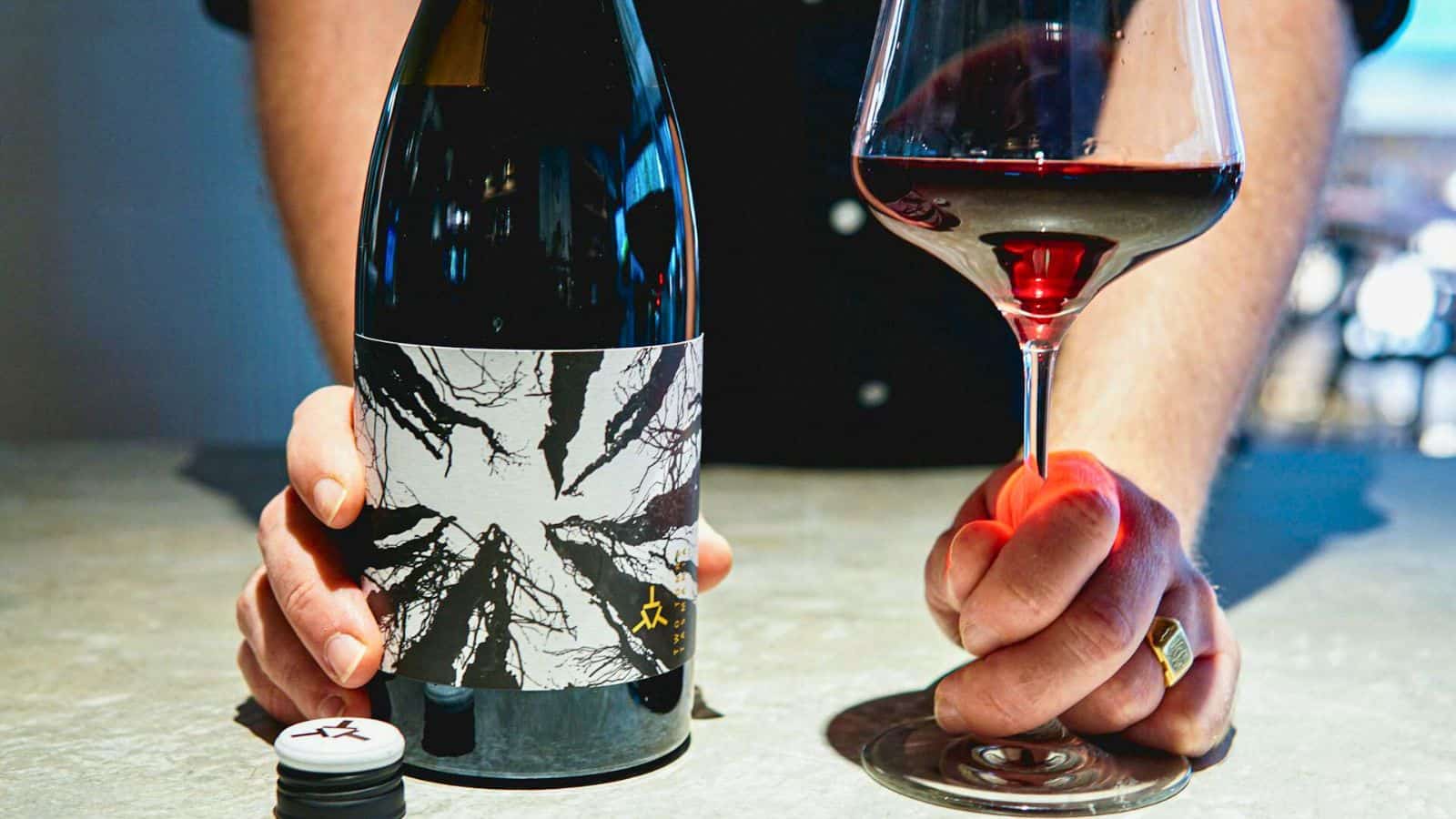
Barbera is an Italian red wine known for its high acidity and low tannins, making it a fresh and lively option. The flavors often include red fruits like cherry and raspberry, with hints of blackberry and sometimes a touch of spice. Barbera's bright acidity makes it a great match for tomato-based dishes, pizza, and lighter meats, guaranteeing a refreshing contrast to richer flavors. Primarily grown in Piedmont, Barbera is often overshadowed by Nebbiolo, but its versatility and approachable nature make it a beloved choice for everyday drinking.
Petite Sirah
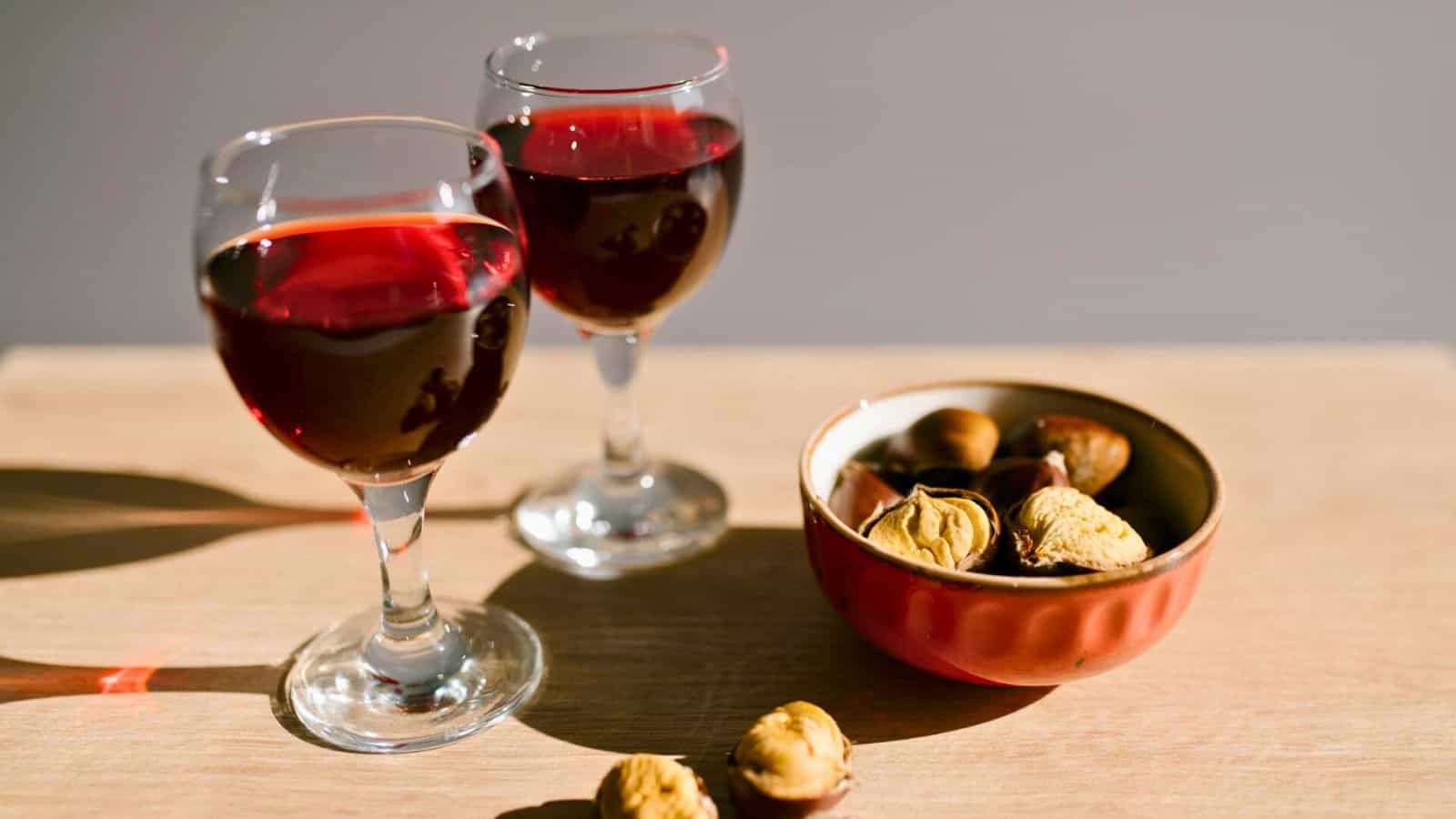
Petite Sirah, despite its name, is known for its bold and intense character. It has a deep, dark color and full-bodied profile with high tannins. The flavors include blueberry, black pepper, and dark chocolate, often accompanied by a chewy texture. Petite Sirah pairs well with hearty dishes like braised short ribs and lamb, making it a favorite for those who enjoy robust and flavorful wines. Originally a cross of Syrah and Peloursin, Petite Sirah is primarily grown in California, where it produces wines with great aging potential.
From Novice to Wine Whiz

Learning about red wine varietals opens up a realm of flavors, aromas, and experiences. Each grape brings something special to the table, making wine tasting an amazing journey. Whether you prefer the bold intensity of a Cabernet Sauvignon or the subtle elegance of a Pinot Noir, there's a red wine out there that can match your taste and enhance your dining experience.
Understanding these varietals not only enriches your appreciation for wine but also helps you make more informed choices. The next time you're at a restaurant or wine shop, you'll have the confidence to pick a bottle that suits your mood and complements your meal perfectly. Sharing your knowledge with friends and family can also make gatherings more fun and engaging, as you introduce them to new and exciting wines.
So, keep exploring, tasting, and learning. The world of red wine is vast and varied, with endless possibilities waiting to be discovered. Remember, the best wine is the one you enjoy the most!



Comments
No Comments