
Feeling a bit off lately? Maybe you're dragging through the day, or perhaps your skin's looking a little lackluster. You might be dehydrated. Think of your body like a car engine; without enough oil, it just doesn't work right. The same goes for water in your body. Recognizing the 13 signs of dehydration can help you catch the problem early and get back on track.
So, what happens when you're not getting enough water? Your body starts to send out distress signals. These can range from subtle hints like dry skin and fatigue to more obvious red flags like dizziness and a rapid heartbeat. If you're noticing any of these symptoms, it might be time to grab a glass of water and rethink your hydration habits. Trust me, your body will thank you.

Dry Mouth and Throat

When your body lacks adequate fluids, the production of saliva decreases, leading to a parched feeling in the mouth and throat. This can make swallowing difficult and may cause a persistent scratchy sensation. The mouth may feel sticky, and you might experience bad breath. Drinking water can help alleviate this discomfort, but if the condition persists, it is essential to address the underlying cause of dehydration. Staying hydrated helps maintain oral health and overall comfort, making sure that your mouth and throat remain moist and functional throughout the day.
Dark Yellow Urine
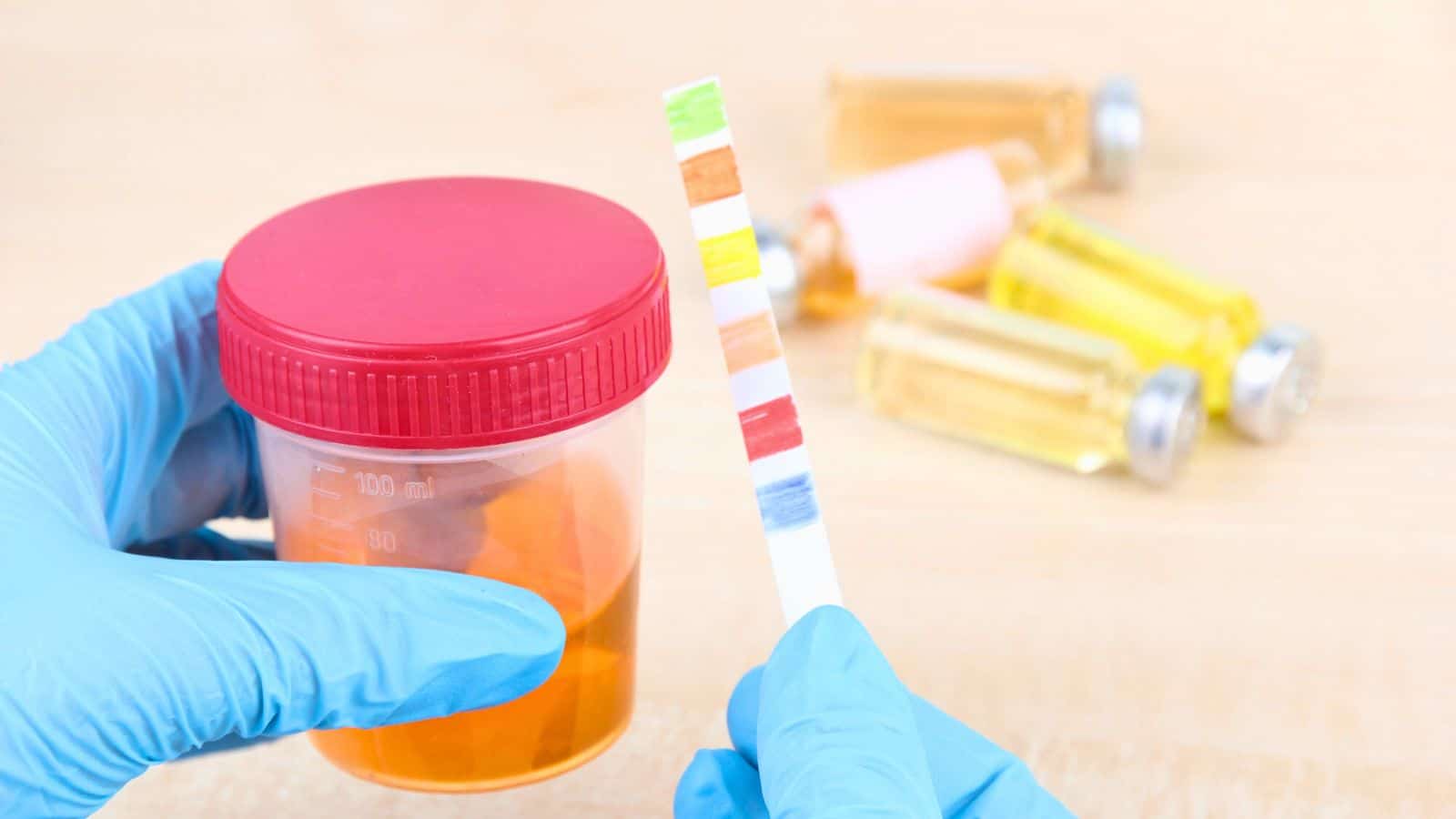
Urine color is a strong indicator of hydration levels. When dehydrated, the kidneys conserve water, resulting in urine that is more concentrated and darker in color. This can range from a deep amber to a brownish hue. Monitoring urine color is a simple way to gauge hydration status. Ideally, urine should be a light straw color, indicating proper hydration. Consistently dark urine can be a sign of increased fluid intake to help the body function optimally and maintain kidney health. If dark urine persists, it may be necessary to consult a healthcare provider.
Infrequent Urination

Reduced frequency in urination can signal that your body is conserving water due to insufficient fluid intake. Normally, an individual should urinate several times a day. When dehydrated, you may find yourself going to the bathroom less often, and the volume of urine may be smaller. This can lead to discomfort and potential complications if not addressed. Guaranteeing regular fluid intake can help maintain normal urination patterns and support kidney health, preventing issues related to dehydration. If infrequent urination continues, it may be wise to seek medical advice.
Fatigue

Dehydration can significantly impact energy levels, leading to feelings of tiredness and lethargy. When the body lacks sufficient water, it struggles to perform basic functions efficiently, resulting in decreased physical and mental performance. This can make everyday tasks seem more exhausting and can affect concentration and alertness. Staying hydrated helps maintain energy levels, allowing you to stay active and focused throughout the day. If fatigue persists despite adequate hydration, other factors may need to be considered. Consulting a healthcare provider can help identify any underlying causes that may be contributing to persistent fatigue.
Dizziness or Lightheadedness

When the body is dehydrated, blood pressure can drop, leading to feelings of dizziness or lightheadedness. This occurs because there is not enough fluid to maintain adequate blood volume, which can affect circulation and the delivery of oxygen to the brain. Symptoms can worsen when standing up quickly or moving suddenly. Staying hydrated helps maintain stable blood pressure and proper circulation, reducing the risk of dizziness. If these symptoms are frequent, it is important to consult a healthcare provider to rule out other causes and make sure that dehydration is properly addressed.
Dry Skin
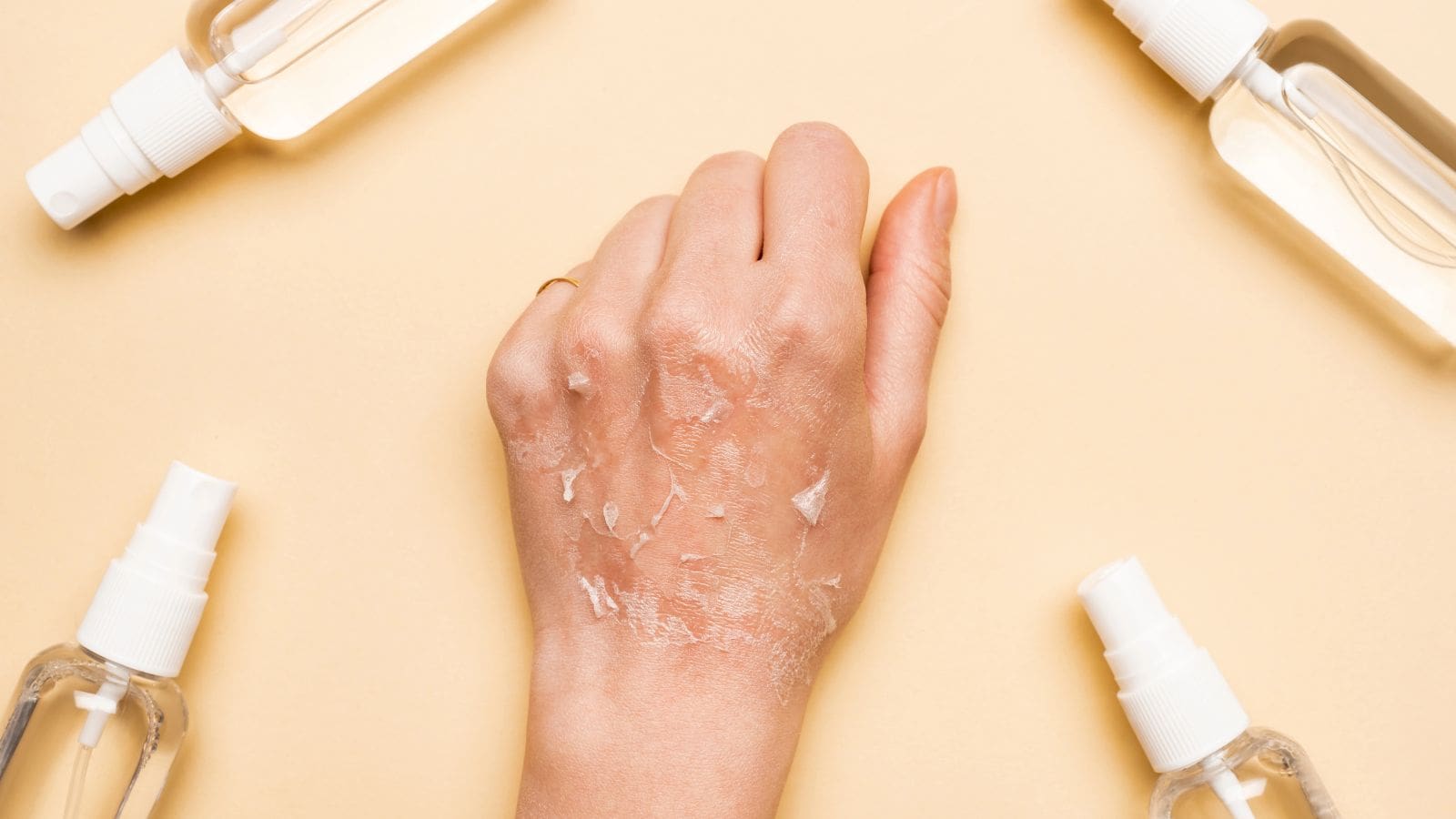
Lack of moisture can cause the skin to appear dry and less elastic. The skin may feel rough to the touch and may even crack or peel in severe cases. Proper hydration is essential for maintaining skin health, as water helps to keep skin cells plump and resilient. Drinking adequate fluids can improve skin texture and appearance. Using moisturizers can also help, but addressing the root cause of dehydration is crucial for long-term skin health. If dry skin persists despite hydration efforts, it may be necessary to seek professional advice.
Headache

Insufficient fluids can lead to headaches or even migraines. The brain may temporarily contract from fluid loss, pulling away from the skull and causing pain. This type of headache can range from a dull ache to intense throbbing. Drinking water can often alleviate dehydration-induced headaches within a short period. However, if headaches persist despite adequate hydration, other factors such as stress or underlying medical conditions should be considered. Consulting a healthcare provider can help identify the root cause and provide appropriate treatment options to manage and prevent headaches.
Muscle Cramps

An imbalance of electrolytes due to dehydration can affect muscle function. This imbalance can cause muscles to contract involuntarily, leading to painful cramps. These cramps can occur during physical activity or even at rest. Guaranteeing adequate fluid intake, along with replenishing electrolytes through diet or supplements, can help prevent muscle cramps. If cramps are frequent or severe, it is important to seek medical advice to rule out other potential causes. Proper hydration and electrolyte balance are key to maintaining healthy muscle function and preventing discomfort.
Rapid Heartbeat
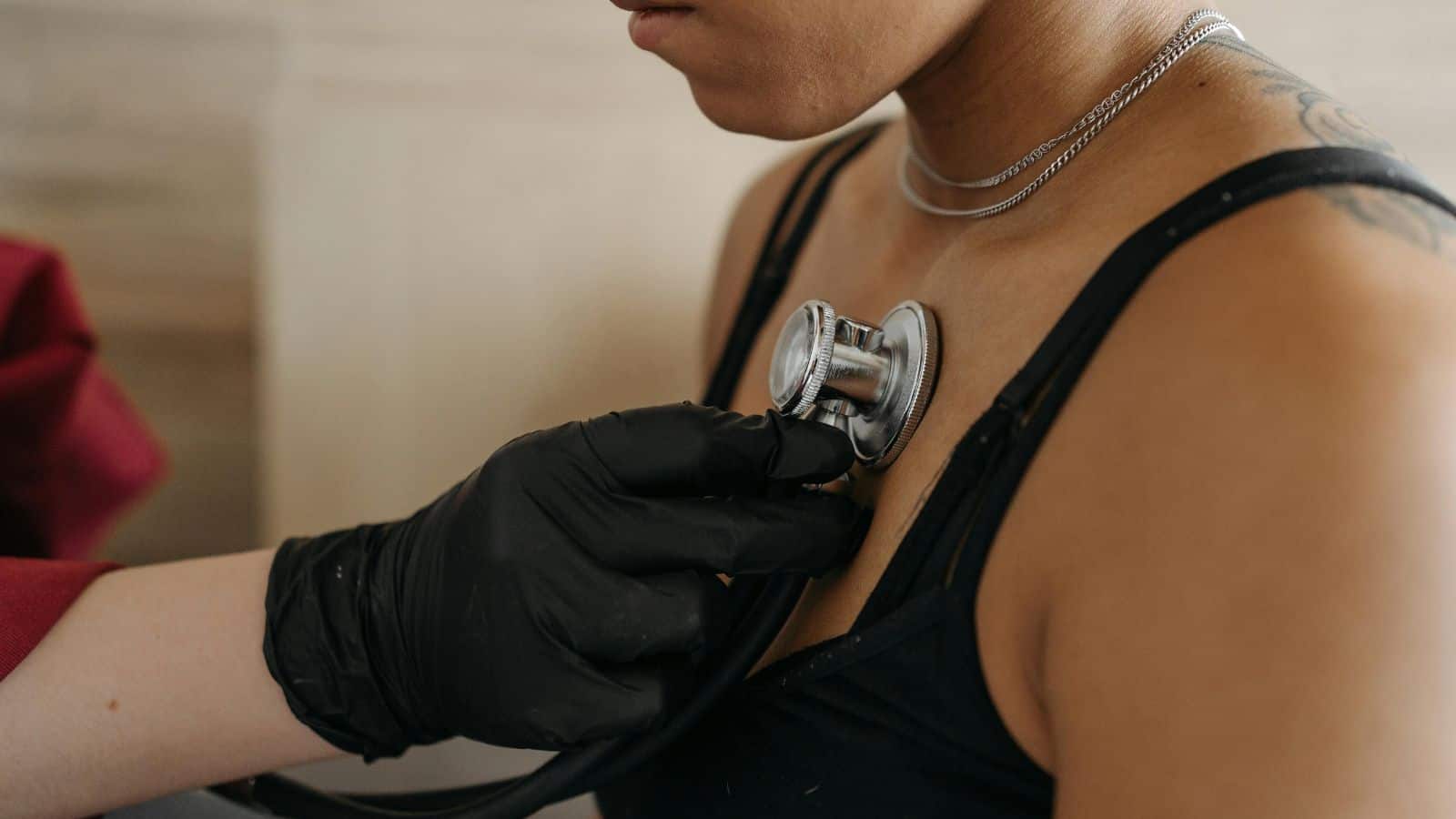
Your heart may work harder to pump blood when dehydrated, leading to an increased heart rate. With insufficient fluid, blood volume decreases, making the heart pump faster to maintain blood pressure and circulation. This can cause a noticeable, rapid heartbeat, especially during physical activity or when standing up quickly. Staying hydrated helps maintain normal heart function and prevents undue stress on the cardiovascular system. If you experience a persistently rapid heartbeat, it is important to consult a healthcare provider to rule out other underlying conditions.
Sunken Eyes

Severe dehydration can cause the eyes to appear sunken or hollow. Water loss from tissues, including those around the eyes, leads to this appearance. The skin around the eyes may also appear darker than usual. This sign is often more noticeable in children and older adults. Proper hydration helps maintain the volume and elasticity of tissues, including those around the eyes. If you notice sunken eyes along with other symptoms of dehydration, increasing fluid intake is crucial, and medical attention may be needed if symptoms persist. Addressing dehydration promptly can help restore the appearance of the eyes.
Confusion or Irritability

Brain function can be affected by dehydration, leading to confusion, irritability, and difficulty concentrating. Insufficient fluids impact mental clarity and mood. You may find it harder to focus on tasks, and minor irritations may seem more significant. Staying hydrated helps maintain cognitive function and emotional stability. If confusion or irritability continues despite adequate hydration, it is important to consider other potential causes and seek medical advice if necessary. Proper hydration is key to maintaining mental well-being and preventing cognitive issues related to dehydration.
Bad Breath

A dry mouth caused by dehydration can lead to bad breath. Saliva helps cleanse the mouth by washing away food particles and bacteria. When saliva production decreases, bacteria can build up, leading to an unpleasant odor. Drinking water can help stimulate saliva production and reduce bad breath. Maintaining good oral hygiene is also important, but addressing dehydration is key to resolving the underlying issue. If bad breath persists, it may be necessary to explore other potential causes. Making sure you get proper hydration can help keep your breath fresh and maintain oral health.
Constipation
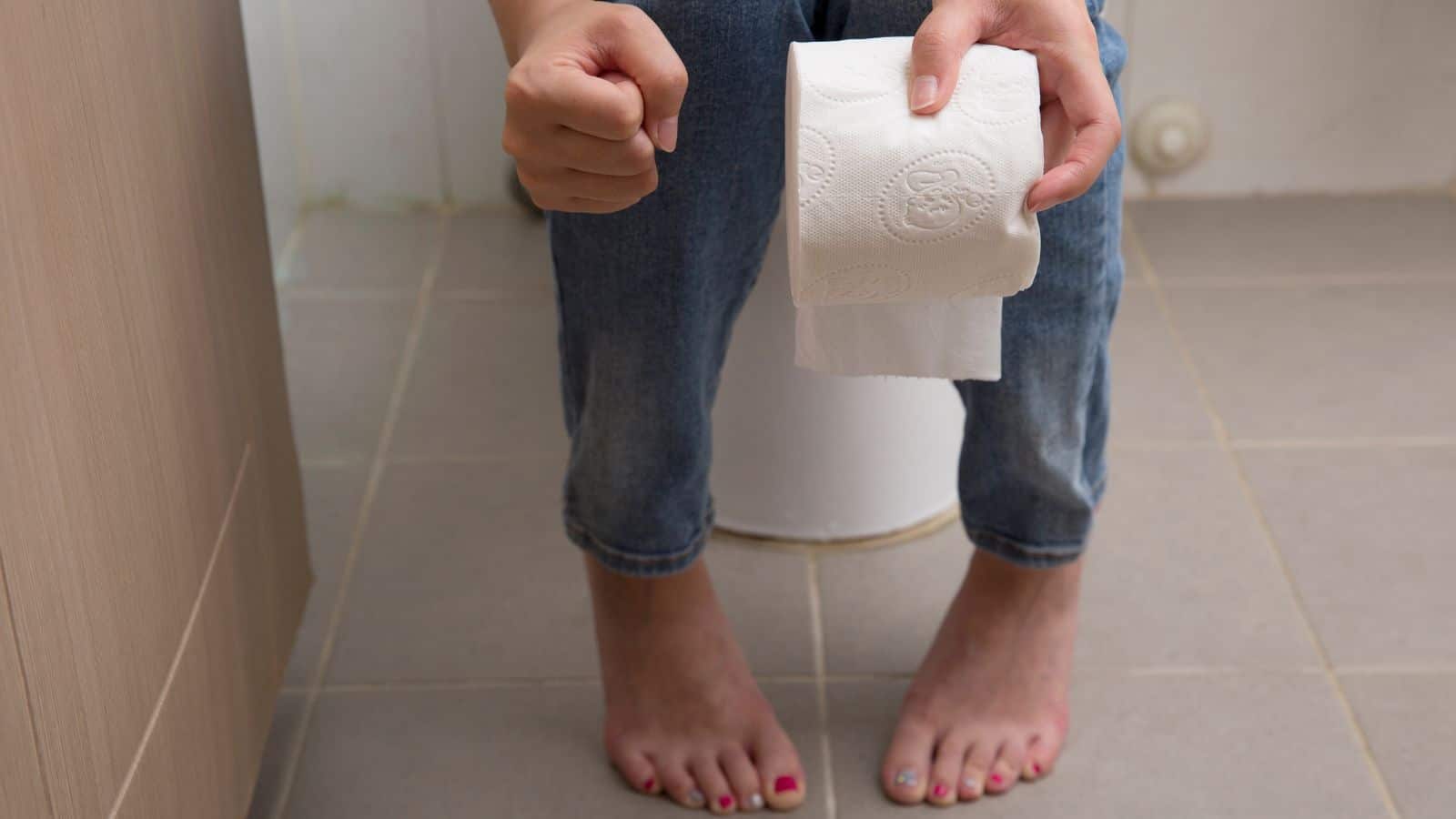
The body absorbs more water from the colon when dehydrated, leading to constipation. This results in harder, drier stools that are difficult to pass. Drinking enough water helps keep the digestive system functioning smoothly and prevents stool from becoming too hard. Adequate hydration, along with a diet high in fiber, can help maintain regular bowel movements. If constipation continues despite proper hydration and diet, it is important to seek medical advice to identify other potential causes. Proper hydration is essential for maintaining digestive health and preventing discomfort.
Hydrate or H2-Oh No!
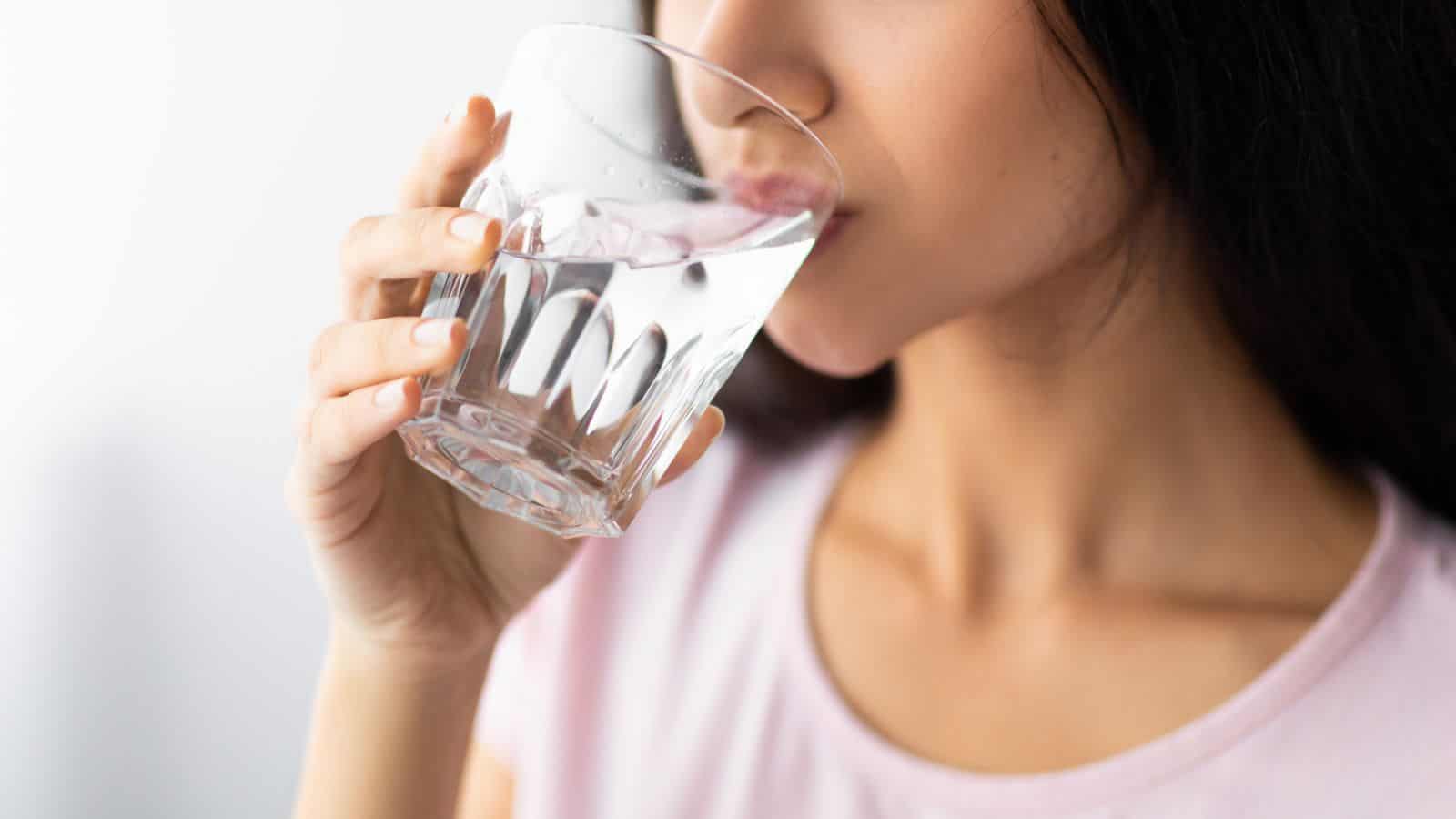
So, there you have it. Recognizing the signs of dehydration is crucial for maintaining your health and well-being. It's amazing how something as simple as drinking water can have such a great impact on how we feel and function. By paying attention to these signals, you can take proactive steps to stay hydrated and keep your body running smoothly. Remember, it's not just about avoiding thirst-it's about giving your body what it needs to thrive.
Next time you're feeling a bit off, consider whether you've had enough water. Keeping a water bottle handy and making a habit of sipping throughout the day can make a perfect difference. Staying hydrated is one of the easiest and most effective ways to support your overall health. So, keep an eye out for those signs and make hydration a priority. Your body will thank you for it!
H2-Whoa! Infused Water Combinations That You Should Try

Drinking enough water is super important for staying healthy. These 7 infused water combinations are a yummy way to drink more water and get some extra good stuff for your body. You can make them with fruits, herbs, or both - there's a flavor for everyone!
Infused water is better for you than sugary drinks because it tastes nice without adding extra calories or fake ingredients. You can make these easily at home, and you can switch up the flavors depending on what you like or what's growing at the time. When you start drinking these infused waters every day, you'll find it's easier to get enough water, no matter where you are - at home, at work, or out and about!
Read it Here: H2-Whoa! 7 Infused Water Combinations That You Should Try
The Secret to Great Sleep is Lemon Water Before Bed And Here Are Reasons Why

Picture this: you're winding down after a long day, and you want to do something simple yet impactful for your health. Drinking lemon water before bed might be just the thing you need. It's a great way to give your body a boost with minimal effort. Don't believe us? We listed 13 reasons why drinking lemon water before bed is a great idea!
So, grab a lemon, squeeze it into a glass of water, and drink up. Incorporating lemon water into your nightly routine is easy and can be quite rewarding. With each sip, you're doing something good for yourself. It's surprising how such a straightforward habit can make a difference!
Read it Here: The Secret to Great Sleep is Lemon Water Before Bed And Here Are 13 Reasons Why




Comments
No Comments