
Deciding to stop drinking alcohol can feel like a huge step, but it's a choice that can lead to some great changes in your life. It's not just about avoiding hangovers or saving a few bucks; it's about discovering a new level of health and well-being. In fact, there are 19 things that happen to your body when you stop drinking alcohol.
Whether you're looking to feel better, live healthier, or simply want to make a positive change, giving up alcohol might be the perfect move. You'll quickly realize how much more vibrant and energetic you can feel. Everyday tasks become easier, and your motivation to take on new challenges grows. It's amazing how much clearer and more focused your mind can be without the fog of alcohol clouding your thoughts.
Quitting alcohol is not just about what you leave behind but what you gain. The experience is filled with unexpected benefits that enrich your life in many ways. It's about feeling empowered and taking control of your health and happiness. Embrace the changes today!

Improved Liver Health
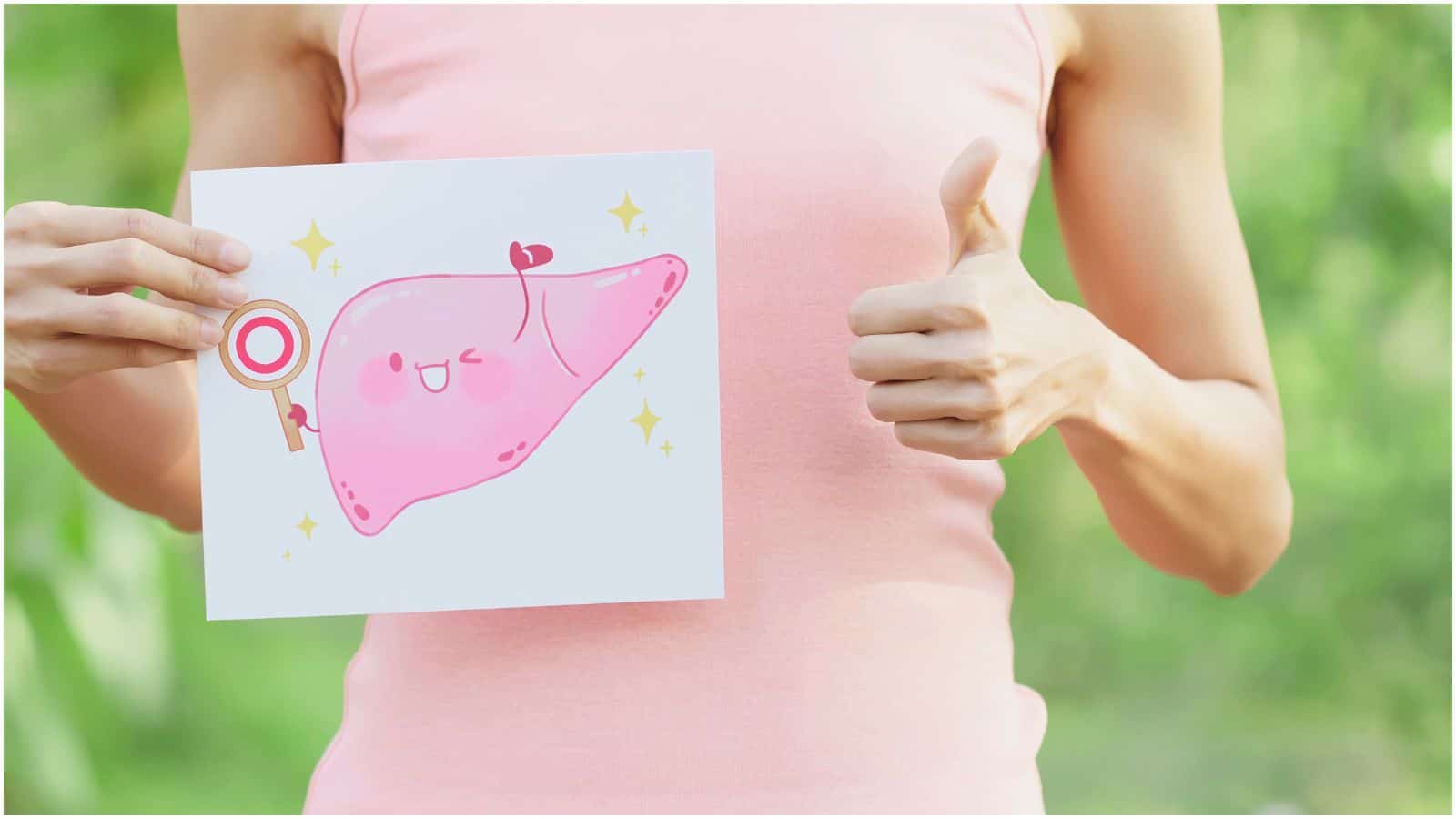
When you stop drinking, your liver begins to repair itself, marking a significant transformation. This resilient organ regenerates its cells, reducing inflammation and reversing fatty liver disease. As the liver heals, the risk of developing severe conditions like cirrhosis and liver cancer decreases. Cirrhosis, where the liver becomes scarred, and liver cancer, often linked to alcohol use, are both serious threats that diminish with abstinence. Over time, this recovery leads to increased energy and enhanced well-being. Your liver, now free from processing alcohol, can focus on its detoxifying functions more effectively.
Better Sleep

Alcohol consumption can interfere with your sleep cycle, leading to disrupted and poor-quality rest. When you stop drinking, your sleep patterns can normalize, allowing for deeper and more restorative sleep. Without the sedative effects of alcohol, you spend more time in REM sleep, crucial for cognitive functions like memory and problem-solving. Better sleep can improve your mood, energy levels, and health. You might also find that you wake up feeling more refreshed and less groggy, making it easier to start your day positively.
Weight Loss

Alcoholic beverages are high in calories and often consumed in addition to regular meals, contributing to weight gain. Cutting out alcohol eliminates these extra calories, which can lead to weight loss. Furthermore, alcohol can increase your appetite and lower your inhibitions, leading to overeating unhealthy foods. Without alcohol, better food choices and adherence to a balanced diet become easier. Over time, the reduction in calorie intake and improved dietary habits can result in noticeable weight loss, improved body composition, and better physical health.
Clearer Skin
Alcohol can dehydrate your body, including your skin, leading to dryness, redness, and acne. When you stop drinking, your skin begins to regain its natural hydration and elasticity. Additionally, alcohol causes inflammation and widens blood vessels, contributing to a flushed appearance. Without these effects, your skin can start to clear up. A reduction in puffiness and dark circles under your eyes may also be noticed. Over time, your complexion can become more even and radiant, reflecting the positive changes happening inside your body.
Increased Hydration

As a diuretic, alcohol causes your body to lose more fluids than you consume. By stopping drinking, your body can maintain better hydration levels. Proper hydration is essential for various bodily functions, including digestion, circulation, and temperature regulation. Improved hydration leads to increased energy levels, better skin health, and improved cognitive function. Fewer headaches and muscle cramps, often associated with dehydration, may also be experienced. Drinking water and hydrating beverages instead of alcohol can help you feel more refreshed and alert throughout the day.
Improved Mental Health

Symptoms of anxiety and depression can be exacerbated by alcohol, as it affects the balance of neurotransmitters in your brain. Stopping alcohol consumption may result in a significant improvement in your mental health. Your mood can stabilize, and feelings of anxiety and depression may decrease. Without the depressive effects, managing stress and coping with challenges becomes easier. Better sleep and physical health contribute to a more positive mental state. Over time, feeling more emotionally balanced and capable of enjoying life without relying on alcohol is likely.
Enhanced Cognitive Function

Regular consumption of alcohol can impair cognitive functions such as memory, attention, and problem-solving skills. When you stop drinking, your brain has the opportunity to recover from these effects. Improvements in your ability to concentrate, think clearly, and remember information may be noticed. Enhanced cognitive function positively impacts work performance, academic achievements, and daily activities. Increased mental sharpness and a better ability to engage in complex tasks and creative endeavors are experienced over time, contributing to a higher quality of life.
Better Digestion
Alcohol can irritate the lining of your stomach and intestines, leading to digestive issues such as acid reflux, gastritis, and bloating. Stopping drinking allows your digestive system to heal and function more efficiently. A reduction in symptoms like heartburn, indigestion, and stomach pain may be noticed. Your body can absorb nutrients more effectively, leading to improved health. Enhanced energy levels and mood result from better digestion, as your body more efficiently converts food into energy. Over time, a more comfortable and regular digestive process is experienced.
Stronger Immune System

Weakened immunity is a direct consequence of alcohol consumption, making you more susceptible to infections and illnesses. The impact of alcohol on the immune system is profound, impairing the body's ability to defend against common pathogens. By quitting drinking, your immune system begins to regain its strength and functionality. A stronger immune system can better protect you against common colds, flu, and other infections, reducing the frequency and severity of these ailments. You may notice quicker recovery from illnesses and experience fewer sick days, allowing you to maintain your daily routines and responsibilities without frequent interruptions.
More Energy

As a depressant, alcohol can leave you feeling tired and sluggish. When you stop drinking, a significant increase in energy levels is likely. Better sleep, improved nutrition, and enhanced health contribute to this energy boost. Without the sedative effects, motivation and enthusiasm for daily activities are more common. Increased energy positively impacts productivity at work, exercise, and engagement in hobbies and social activities. Over time, leading a more active and vibrant life, free from the fatigue associated with alcohol consumption, is possible.
Financial Savings

Drinking can be a significant expense, especially with frequent consumption or preference for high-quality beverages. Quitting alcohol can save a substantial amount of money. These savings can be redirected towards other areas of life, such as paying off debt, investing, or enjoying experiences and items that bring joy. Reduced spending on alcohol also allows for financial stability and freedom to pursue other interests. Over time, financial savings contribute to reduced stress and the ability to allocate resources towards goals and desires, enhancing quality of life.
Healthier Heart

The risk of heart disease and high blood pressure is increased by alcohol consumption. By quitting drinking, your heart health can improve significantly. Blood pressure levels may decrease, and the risk of developing heart-related issues is reduced. Improved heart health contributes to better circulation, energy levels, and well-being. Regular exercise and a healthy diet further enhance these benefits. Over time, a healthier heart leads to a longer and more active life, free from the complications associated with alcohol-related heart issues.
Improved Relationships

Alcohol can strain relationships due to poor communication, conflicts, and irresponsible behavior, often leading to misunderstandings and emotional distance. The unpredictable behavior associated with drinking can create tension and erode trust among family, friends, and colleagues. Stopping drinking can significantly improve relationships, fostering a more stable and harmonious environment. Without alcohol's negative influence, communication becomes clearer and more effective, leading to fewer misunderstandings and arguments. Over time, these enhanced relationships contribute to better emotional well-being, creating a supportive network that enriches your life.
Increased Productivity

Poor sleep and hangovers can negatively impact productivity at work and in daily life. Quitting alcohol results in better sleep and more energy, leading to increased productivity. Improved focus, cognitive function, and health enhance the ability to complete tasks efficiently and effectively. A more positive outlook and higher motivation also contribute to better performance in professional and personal endeavors. Over time, increased productivity leads to greater achievements and satisfaction in various aspects of life, supporting a more successful lifestyle.
Better Nutrient Absorption

Alcohol can interfere with the absorption of essential nutrients, leading to deficiencies and a variety of related health issues. Chronic drinking disrupts the digestive system, impairing the body's ability to absorb vitamins and minerals from food. This can result in significant deficiencies in vital nutrients that can lead to weakened immunity, poor skin health, fatigue, and other health problems. Stopping drinking allows your body to absorb nutrients more effectively, enabling the digestive system to function properly and efficiently. With a balanced diet and better absorption, you experience enhanced physical and mental well-being.
Reduced Cancer Risk

Alcohol consumption is linked to several types of cancer, including liver, breast, and colon cancer. By quitting drinking, the risk of developing these cancers is significantly reduced. The body can begin to heal from the damage caused by alcohol, and cell regeneration processes improve. Leading a lifestyle that includes a healthy diet, regular exercise, and avoiding harmful substances further reduces cancer risk. Over time, a lower risk of cancer contributes to a longer, healthier life with fewer medical concerns and a greater focus on enjoying everyday activities.
Improved Mood Stability

Alcohol can cause mood swings and emotional instability. Stopping drinking leads to more stable moods and emotional balance. Without the depressive effects of alcohol, managing stress and coping with life's challenges becomes easier. Better sleep, enhanced physical health, and improved mental well-being support a positive mood and emotional stability. Over time, mood stability leads to better relationships, increased productivity, and a higher quality of life, allowing for more enjoyment and fulfillment in everyday experiences.
Healthier Habits

Alcohol can hinder the development of healthy lifestyle habits. Quitting drinking creates the opportunity to establish healthier habits, such as regular exercise, balanced eating, and better sleep patterns. These positive changes contribute to improved physical and mental health. Over time, healthier habits lead to increased energy levels, better weight management, and a more positive outlook on life. Engaging in activities that promote well-being, such as hobbies and social interactions, becomes easier without the influence of alcohol, supporting a more active lifestyle.
Enhanced Sense of Accomplishment

Successfully stopping drinking can boost your self-esteem and sense of accomplishment. Overcoming the challenges associated with quitting alcohol fosters a sense of pride and achievement. This positive self-perception can motivate you to pursue other goals and make positive changes in your life. Improved physical and mental health, better relationships, and increased productivity further enhance this sense of accomplishment. Over time, a heightened sense of self-worth contributes to a more confident and empowered approach to life, allowing for greater success and fulfillment in various endeavors.
No More Booze Blues
Deciding to stop drinking alcohol is a powerful step towards a healthier, happier life. The changes you'll experience are profound, impacting every aspect of your well-being. From improved liver health and better sleep to weight loss and increased energy, the physical benefits are immense. Your skin will clear up, your hydration levels will improve, and your digestion will thank you.
Mentally, the advantages are just as significant. With improved mood stability, better cognitive function, and stronger mental health, you'll find it easier to handle stress and enjoy life's moments. Relationships can improve as well, with better communication and less conflict. You'll also discover new levels of productivity and a stronger immune system, making you feel more vibrant and capable.
All these benefits combine to create a compelling case for giving up alcohol. The journey may be challenging at times, but the rewards are well worth it. Embrace the positive changes, and enjoy the healthier, happier future that awaits you!



Comments
No Comments