
Ever wondered if all those drinks at the bar are actually safe? Well, some of them definitely aren't. Whether it's your go-to cocktail or a trendy new spirit, not all booze is created equal. There are 12 types of alcohol you shouldn't be drinking since they can cause serious health issues or leave you with a hangover from hell.
Sometimes, it's the cheap stuff; sometimes, it's the homemade brews, and sometimes, it's just a bad batch. Knowing which drinks to avoid can save you from a lot of trouble. The market is flooded with options, and while most are fine, some can be downright dangerous. It's easy to grab whatever's available, especially when the price is right, or it looks like a fun choice, but that can be a risky game. It's not just about taste; your safety and the quality of alcohol also matter, so you can enjoy your night out or your cozy evening at home without any nasty surprises. So, next time you're about to grab a drink, remember that not all alcohol is worth the risk!
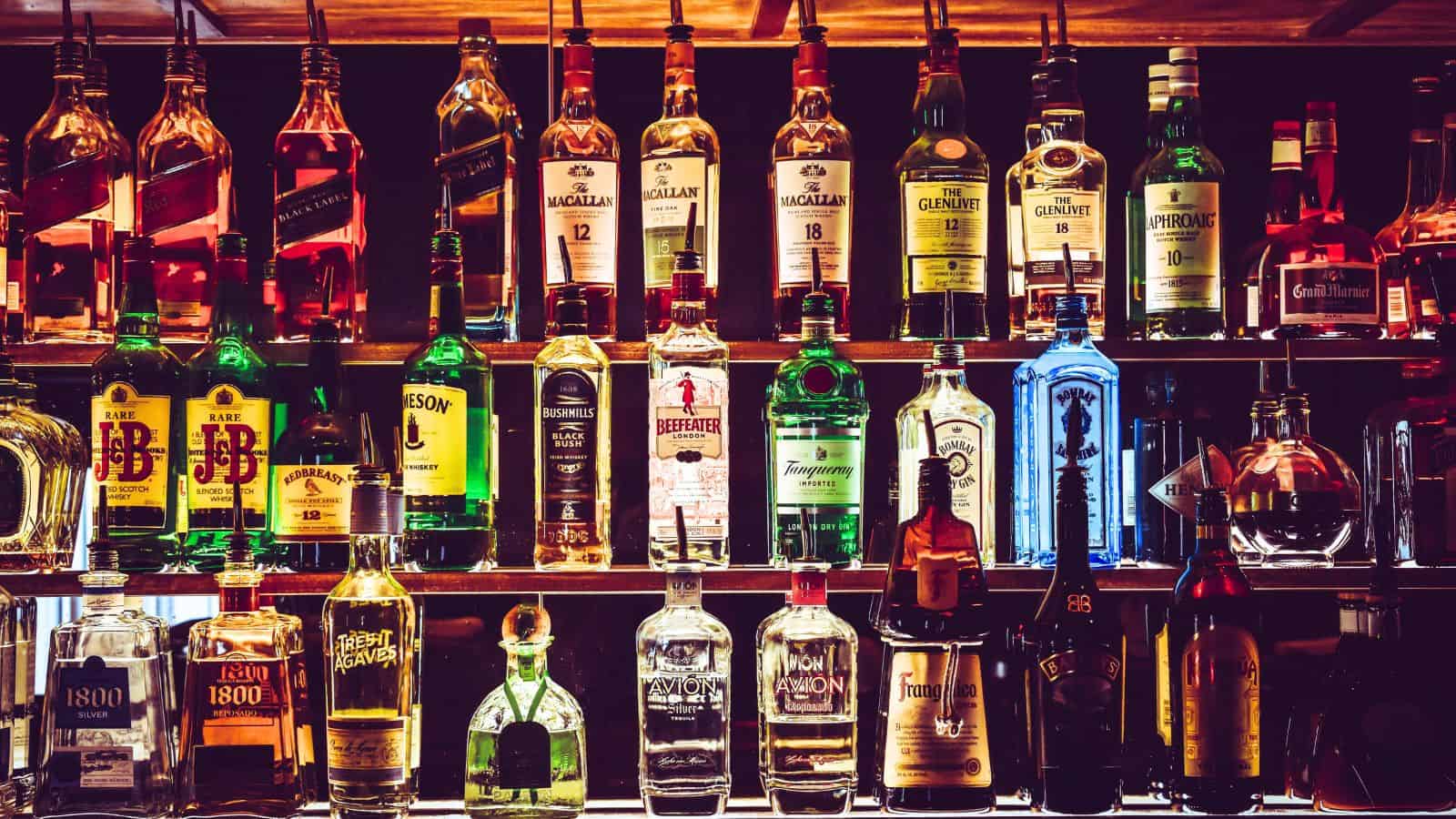
Counterfeit Alcohol
Counterfeit alcohol is illegally produced and sold under the guise of legitimate brands. These fake products can be incredibly dangerous as they often contain harmful ingredients that are unsuitable for consumption. Methanol, a common substitute for ethanol in counterfeit alcohol, is highly toxic and can cause blindness, organ failure, or death, even in small quantities. Counterfeit alcohol may also include other toxic chemicals used to mimic the flavor and color of legitimate products. Consuming counterfeit alcohol poses serious health risks and can lead to severe poisoning. To avoid counterfeit alcohol, it's essential to purchase from reputable sources and be wary of unusually low prices or unfamiliar brands, which can indicate a fake product.
Methanol-Contaminated Alcohol
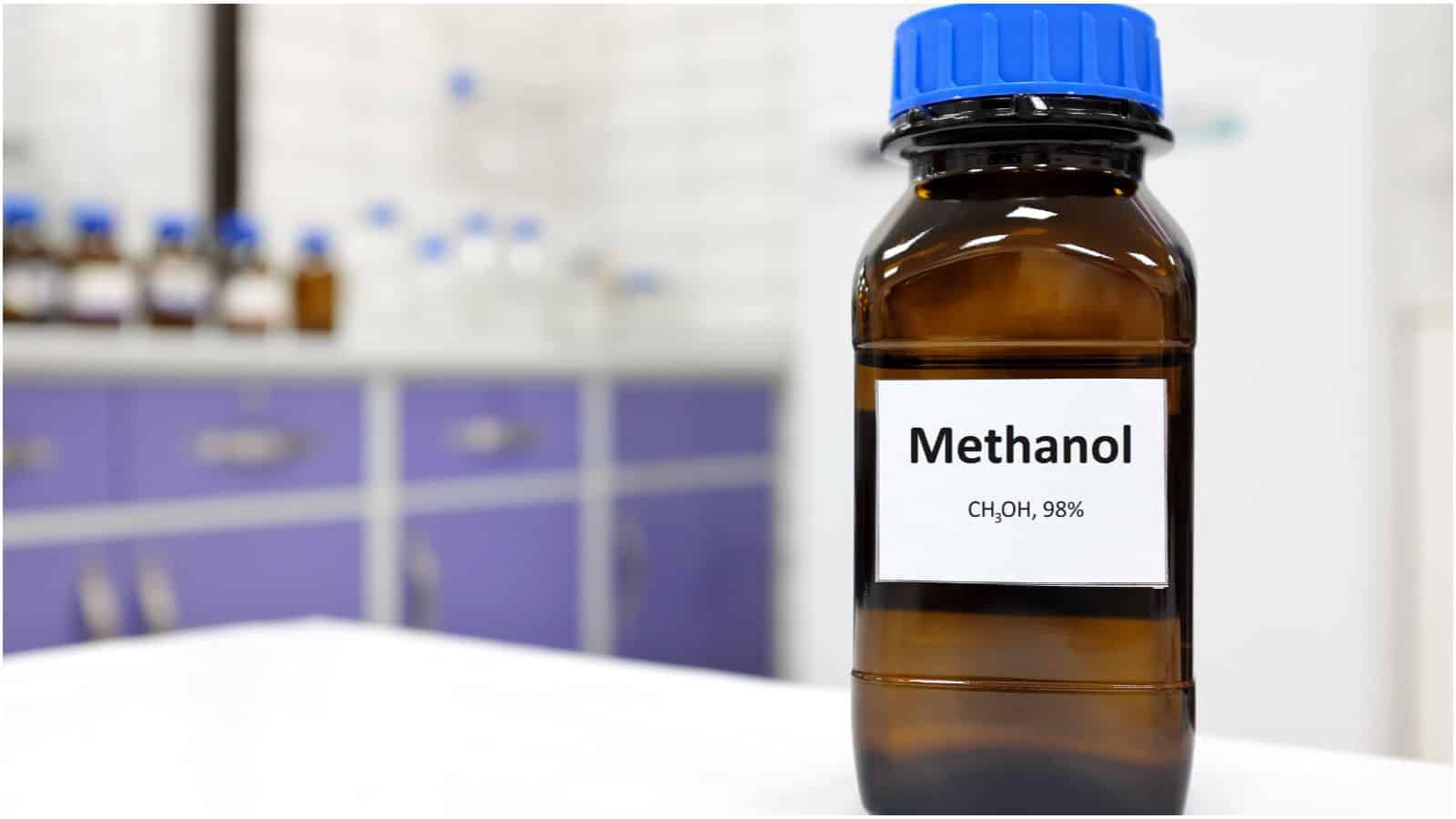
Methanol-contaminated alcohol is extremely hazardous and poses significant health risks. Methanol, or wood alcohol, is a type of alcohol not intended for consumption. It is often used industrially as a solvent or antifreeze. Unlike ethanol, which is safe to drink in moderation, methanol is highly toxic. Ingesting even small amounts can lead to methanol poisoning, resulting in symptoms such as headache, dizziness, nausea, and vomiting. In severe cases, it can cause blindness, organ failure, and death.
Methanol contamination typically occurs in illicitly produced or counterfeit alcoholic beverages where proper distillation processes are not followed. It's crucial to only consume alcohol from reputable sources and to be cautious of unfamiliar brands, especially in regions where counterfeit alcohol is prevalent.
Fortified Wines (Cheap and Low-Quality)
Fortified wines are wines to which a distilled spirit, usually brandy, has been added. While some fortified wines are high quality, cheap and low-quality versions can be problematic. These wines often contain excessive amounts of sugar and artificial additives to mask the inferior taste. They can also have high levels of sulfites, which can trigger allergic reactions and exacerbate conditions like asthma.
Low-quality fortified wines may be poorly stored and handled, leading to contamination with harmful bacteria and other pathogens. Drinking these can result in adverse health effects, including severe hangovers, digestive issues, and allergic reactions. It's advisable to choose higher-quality fortified wines from reputable producers to guarantee a safer and fun drinking experience.
Alcoholic Energy Drinks
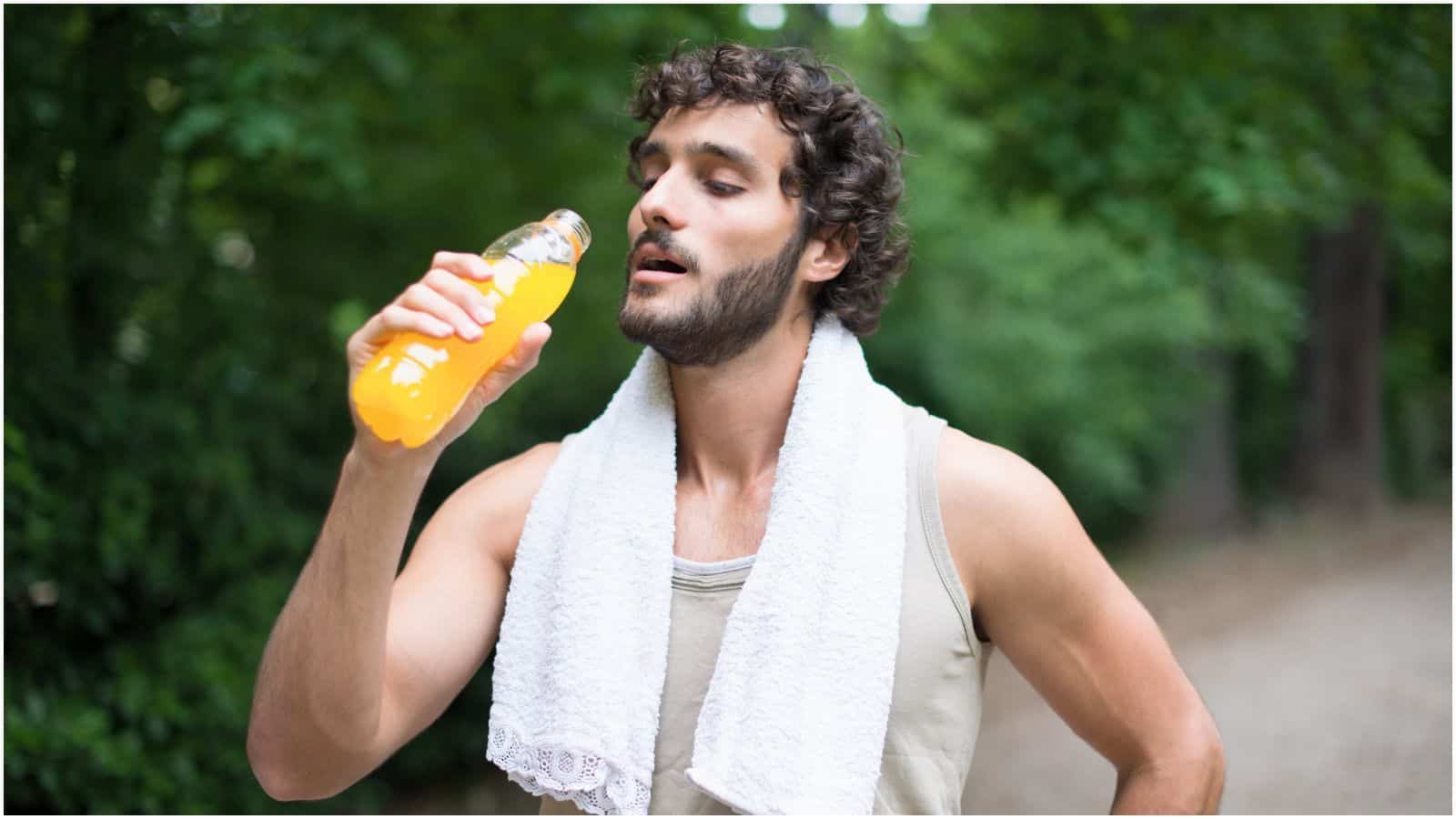
Alcoholic energy drinks combine alcohol with caffeine and other stimulants, creating a mix that can be particularly hazardous. The stimulants can mask the depressant effects of alcohol, making it harder for individuals to gauge their level of intoxication. This can lead to excessive drinking and a higher risk of alcohol poisoning. The combination of alcohol and caffeine also puts additional strain on the heart and can lead to increased heart rate and blood pressure. There is also a heightened risk of engaging in risky behaviors due to the false sense of alertness these drinks deliver. For these reasons, it's best to avoid alcoholic energy drinks and stick to more traditional forms of alcohol consumption.
High-Sugar Cocktails
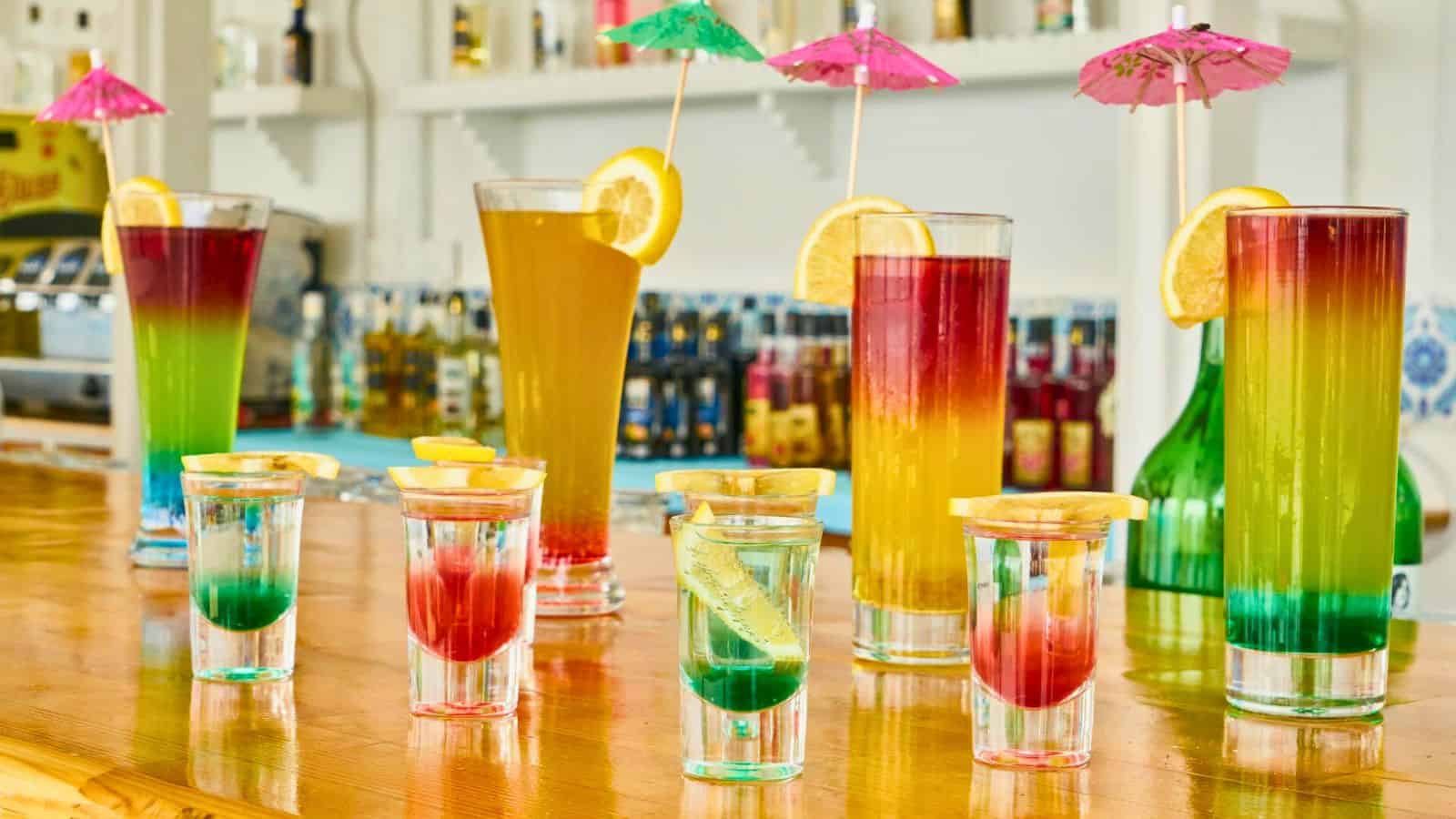
High-sugar cocktails are popular for their sweet, palatable taste, often masking the flavor of alcohol. These drinks, however, are packed with excessive amounts of sugar, contributing to a higher calorie intake. Consuming high-sugar cocktails regularly can lead to weight gain, increase the risk of developing type 2 diabetes, and exacerbate conditions like fatty liver disease.
Additionally, the sugar content can lead to severe hangovers, characterized by headaches and dehydration. Examples include drinks like piña coladas, margaritas, and certain fruity martinis. It's advisable to moderate the intake of such cocktails or opt for versions with reduced sugar to minimize health risks while enjoying a drink.
Highly Sweetened or Artificially Flavored Alcoholic Drinks

Highly sweetened or artificially flavored alcoholic drinks are often marketed to those who prefer a sweeter, more palatable drink. These beverages, however, can be detrimental to health due to their high sugar content and artificial additives. Excessive sugar intake is linked to numerous health issues, including obesity, diabetes, and cardiovascular disease. Artificial flavors and colors can cause allergic reactions and other health problems in sensitive individuals.
The combination of sugar and alcohol can also lead to severe hangovers and dehydration. These drinks often mask the alcohol content, making it easier to consume more than intended, increasing the risk of alcohol poisoning. Opting for naturally flavored or less sweetened alternatives can mitigate these risks.
Low-Quality Spirits
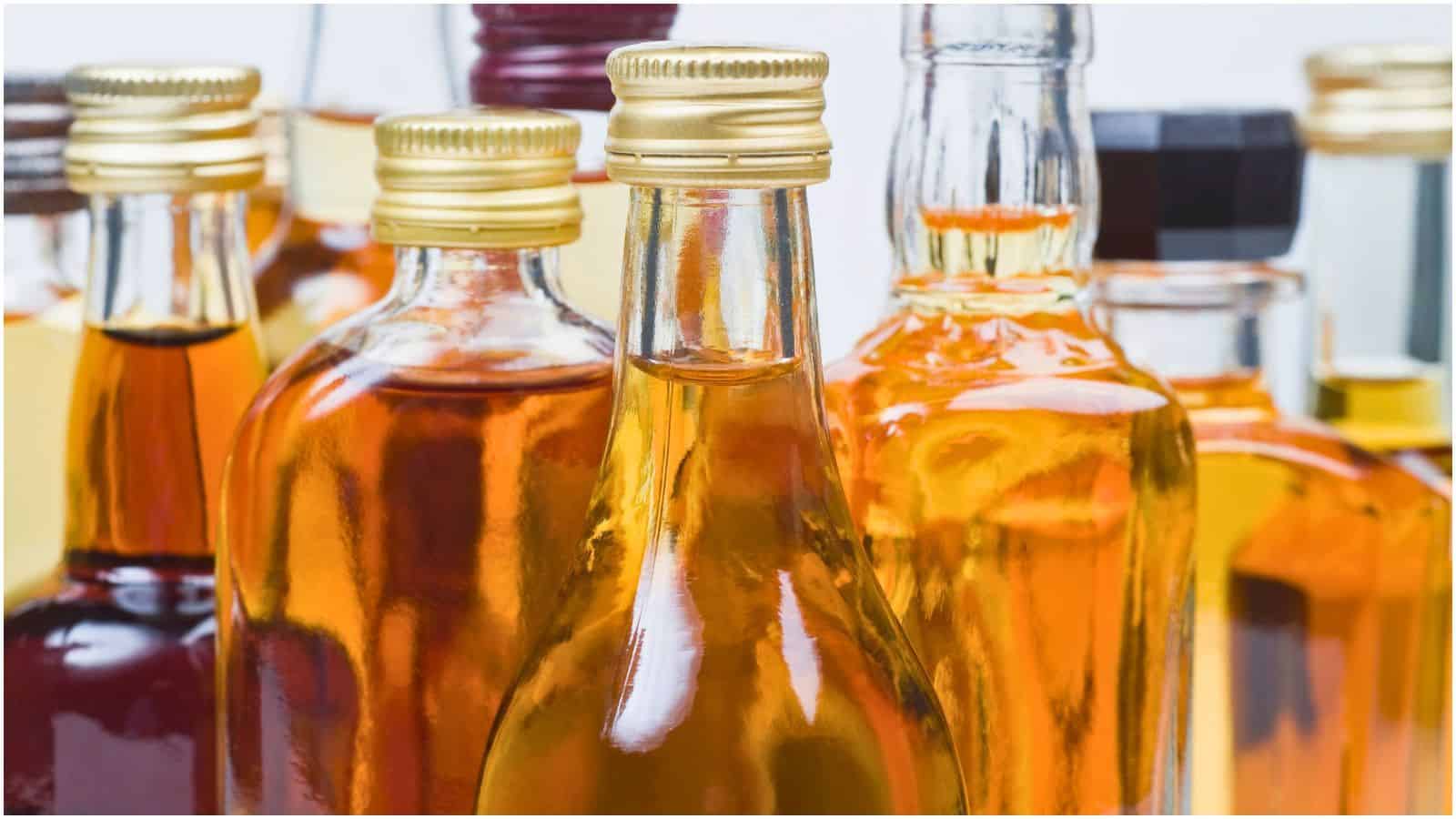
Low-quality spirits are often produced with minimal attention to the distillation process, leading to a final product that contains impurities and congeners-byproducts of fermentation that can contribute to more severe hangovers and adverse health effects. These spirits might also include artificial flavors and colors to enhance their appeal.
Drinking low-quality spirits increases the risk of experiencing negative reactions, such as nausea, headaches, and stomach issues. Furthermore, poor production control can lead to harmful substances not found in higher-quality, well-regulated spirits. For a safer drinking experience, it's essential to choose spirits from reputable brands that adhere to stringent manufacturing standards.
Expired Alcoholic Beverages
Expired alcoholic beverages, while not necessarily lethal, can cause several health issues. Over time, alcohol can degrade, leading to changes in taste, smell, and appearance. This degradation can result in the growth of harmful bacteria and mold, which can cause food poisoning symptoms such as nausea, vomiting, and diarrhea. The breakdown of certain compounds can also lead to the formation of toxic substances.
Expired drinks may not have the intended alcohol content, leading to unexpected intoxication levels. It's crucial to check the expiration dates of alcoholic beverages and store them properly to make sure they remain safe for consumption. If in doubt, it's better to dispose of expired alcohol rather than risk potential health problems.
Absinthe (Non-Regulated)
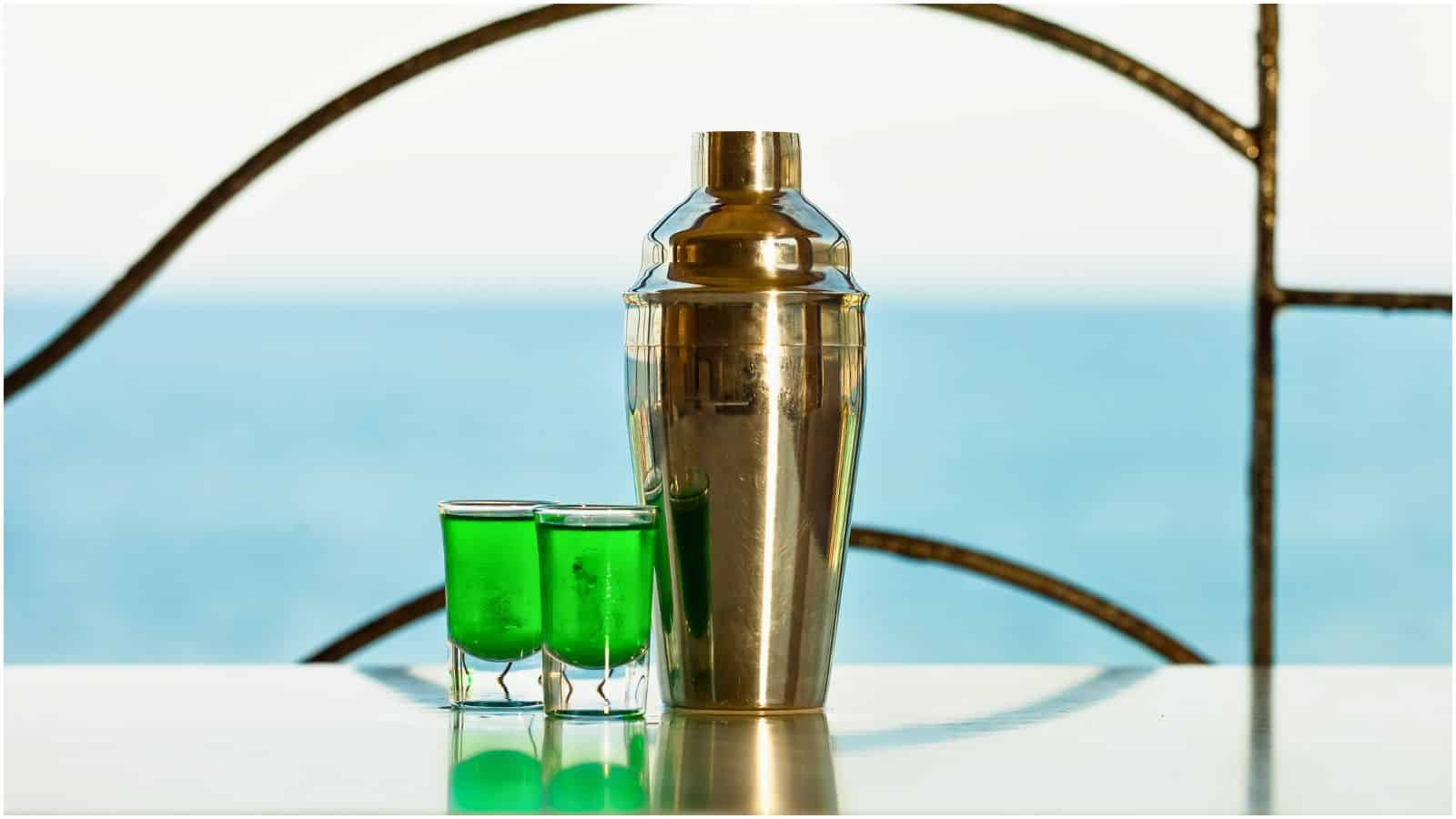
Absinthe, a highly alcoholic beverage known for its green color and strong anise flavor, has a notorious history due to its psychoactive properties. Non-regulated absinthe can be particularly dangerous because it may contain high levels of thujone, a compound found in wormwood that is toxic in large quantities. Thujone is believed to cause hallucinations and other mental effects, which led to absinthe being banned in many countries for a long time.
Even though regulated absinthe is now available and considered safe, consuming non-regulated absinthe poses significant health risks. These can include seizures, kidney failure, and severe mental disturbances. It's essential to guarantee that any absinthe consumed is from a reputable source and complies with legal standards to avoid these dangers.
Homemade Alcohol (Moonshine)
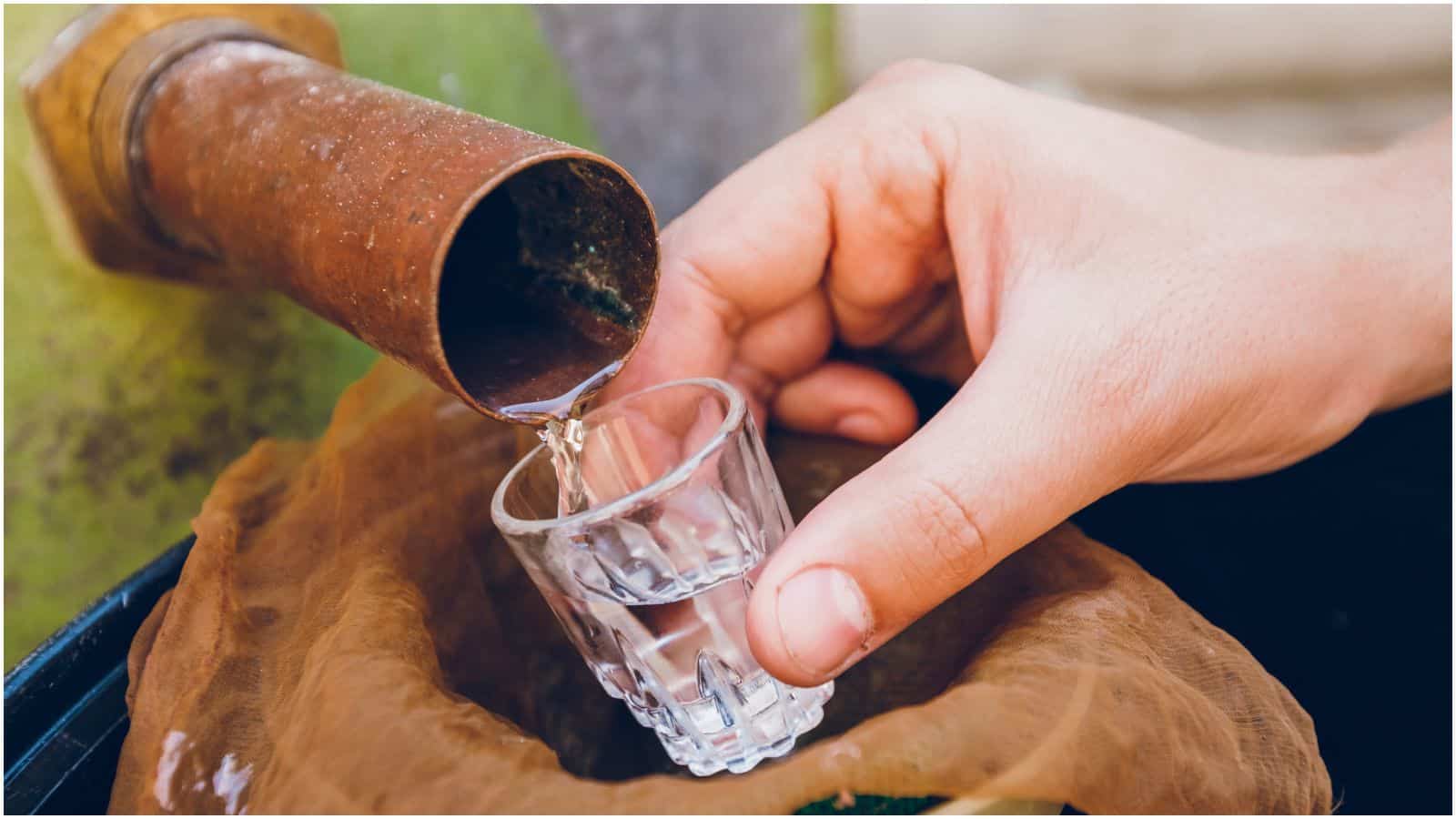
Homemade alcohol, commonly referred to as moonshine, is alcohol that is illicitly produced without regulatory oversight. The process of making moonshine involves fermenting and distilling, often using makeshift equipment. Due to the lack of quality control, moonshine can contain dangerous levels of methanol-a toxic form of alcohol that can cause blindness, organ failure, or death. The distillation process can also introduce other harmful contaminants, making consumption extremely risky.
Despite its historical roots and cultural significance in some regions, the health hazards associated with moonshine far outweigh any potential benefits. Consuming commercially produced and regulated alcohol is much safer, as it undergoes stringent quality checks to make sure it is free from harmful substances.
Illegally Produced Spirits
Illegally produced spirits, often referred to as bootleg or black-market alcohol, are made without regulatory oversight. These spirits can be found in various forms, including homemade brews and counterfeit products. The production of illegal spirits often involves unsafe methods and unsanitary conditions, leading to a higher risk of contamination with harmful substances like methanol, lead, and other toxins. The lack of quality control means that the alcohol content can be unpredictable, increasing the risk of alcohol poisoning.
Additionally, illegally produced spirits may contain additives and chemicals not meant for human consumption, posing further health risks. To guarantee safety, it's essential to avoid unregulated alcoholic beverages and only purchase alcohol from legitimate, trusted sources.
Pre-Mixed Alcoholic Beverages
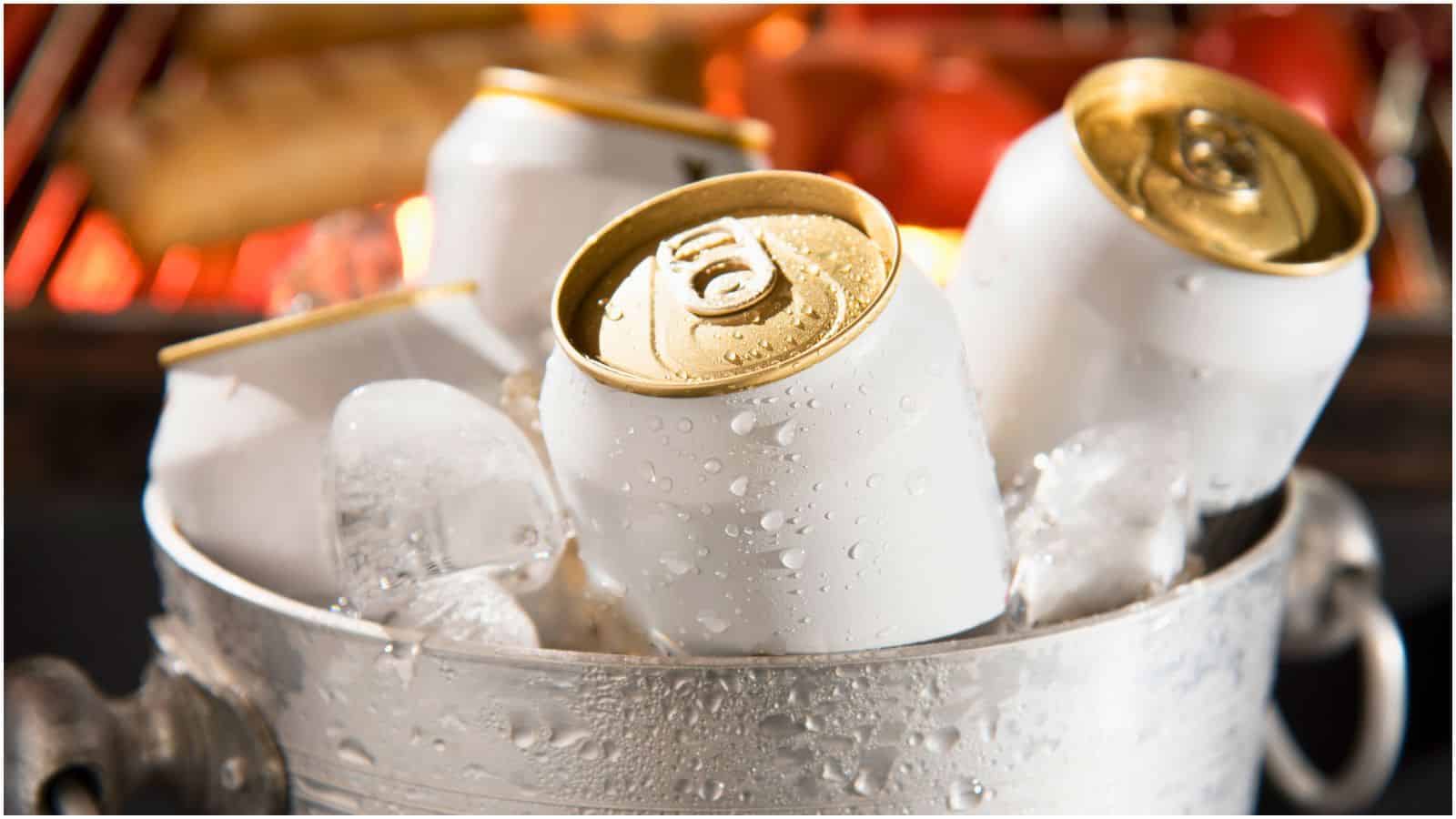
Pre-mixed alcoholic beverages, often marketed for their convenience and ready-to-drink nature, typically contain a mix of alcohol, artificial flavors, and preservatives. These drinks are appealing due to their ease of use, requiring no preparation. However, they often have high sugar content and artificial additives that can lead to various health issues, including weight gain and increased risk of metabolic disorders.
The preservatives used can also cause adverse reactions in some individuals. Additionally, the alcohol content in these beverages can be deceptively high, leading to overconsumption and an increased risk of intoxication. It's better to mix your own drinks, allowing control over the ingredients and their quantities, guaranteeing a healthier and safer drinking experience.
Say No to Bad Booze
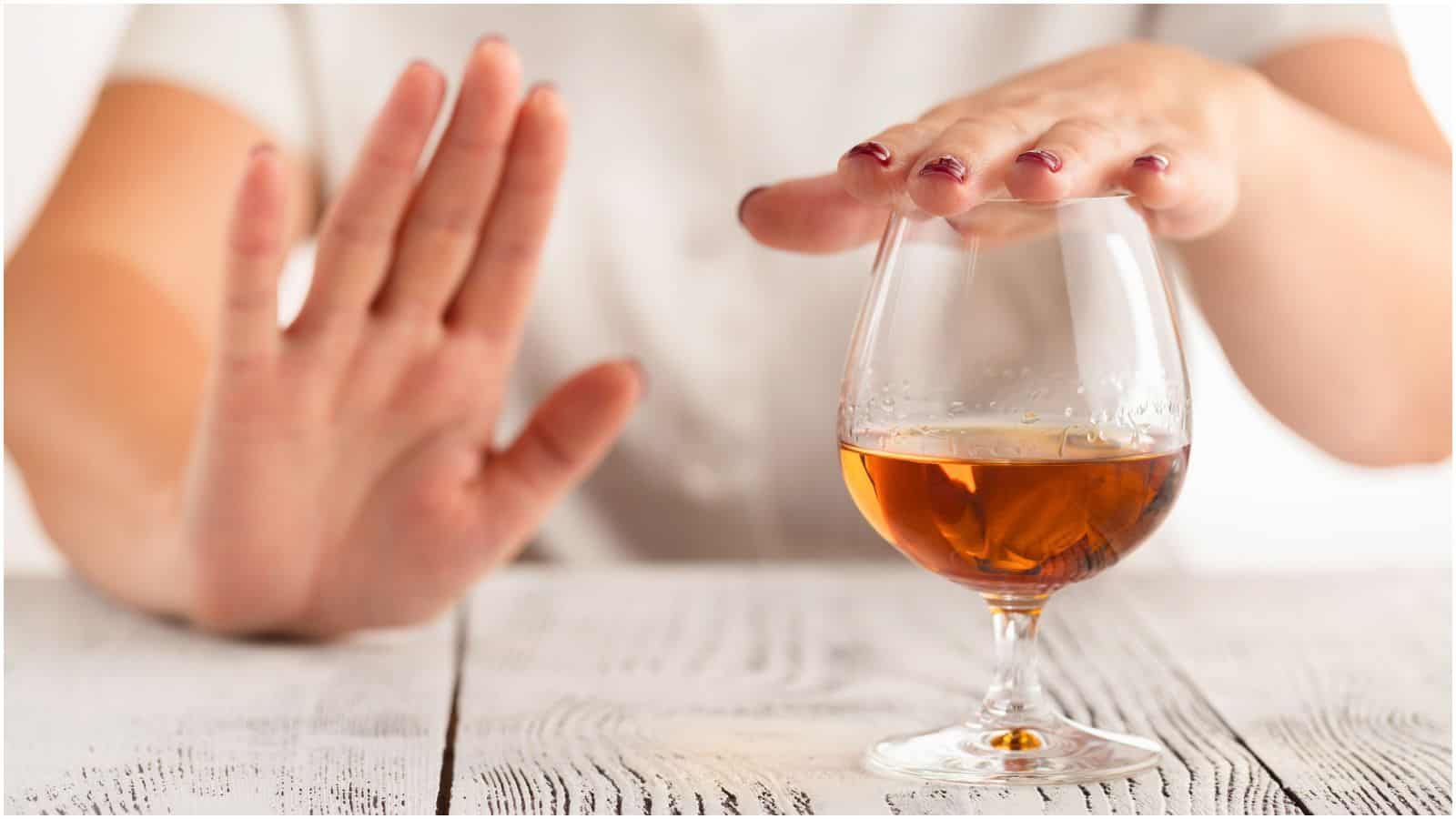
So there you have it. Steering clear of certain types of alcohol isn't just about dodging a bad hangover-it's about protecting your health and well-being. We all love to have a good time, but it's important to be mindful of what we're drinking. It's easy to overlook the potential dangers, especially when a drink looks enticing, or the price seems too good to pass up.
Remember, not all drinks are created equal, and some can bring more harm than fun. By making informed choices, you can avoid unnecessary risks and still enjoy your favorite social activities. It's all about being smart and choosing options that won't come back to haunt you later.
Next time you're out with friends or picking up something for a night in, take a moment to think about what's in your glass. Being aware and making better choices will keep your experiences positive and safe. Here's to enjoying alcohol responsibly and keeping the good times rolling without any unwelcome surprises!

Comments
No Comments