
Red wine has a way of capturing the heart and soul of a meal, a moment, or even a conversation. Whether you're a seasoned wine lover or just starting to explore, knowing a bit about different varieties of red wine can really up your game. Each type of red wine has its own personality, from bold and robust to light and elegant. It's like getting to know a bunch of interesting characters at a party-each with their own story to tell.
So, if you're ready to get into the world of reds, let's talk about some great wines that can make any occasion special. These wines are perfect for pairing with food, sharing with friends, or just enjoying a quiet evening at home. Get ready to expand your palate and maybe even find a new favorite. So grab a glass, sit back, and let's explore the rich, diverse world of red wine together.

Syrah/Shiraz
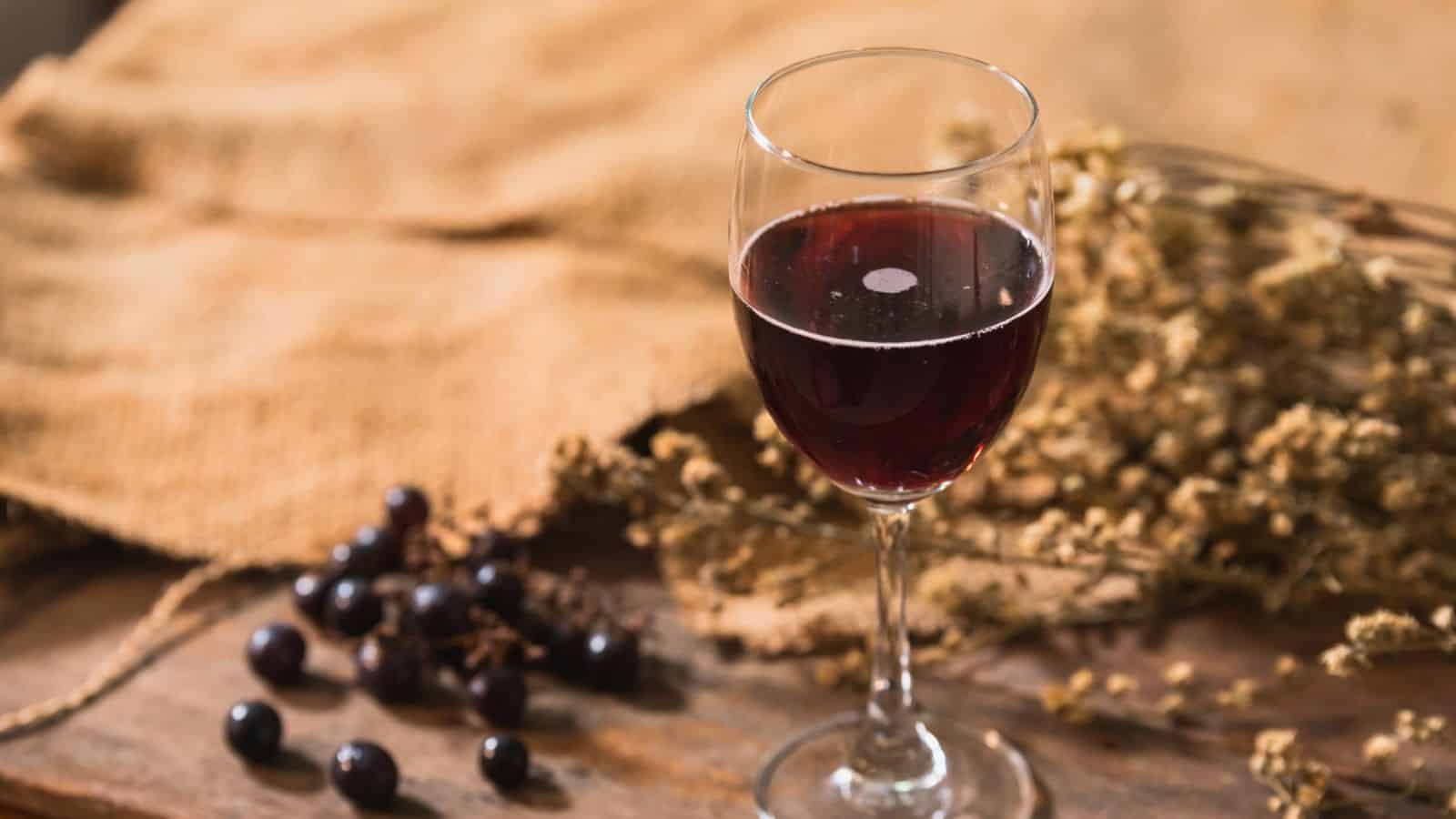
Syrah, known as Shiraz in Australia, is a full-bodied red wine with intense flavors and aromas. It often features notes of dark fruit such as blackberry and plum, along with pepper, licorice, and sometimes a hint of leather. The wine's robust tannins and rich texture make it suitable for aging, during which it can develop additional complexity. Syrah/Shiraz pairs well with bold dishes like grilled meats, stews, and strong cheeses. Its versatility in style-from the more restrained, peppery versions of the Northern Rhône to the fruit-forward, opulent wines of Australia-adds to its appeal.
Tempranillo
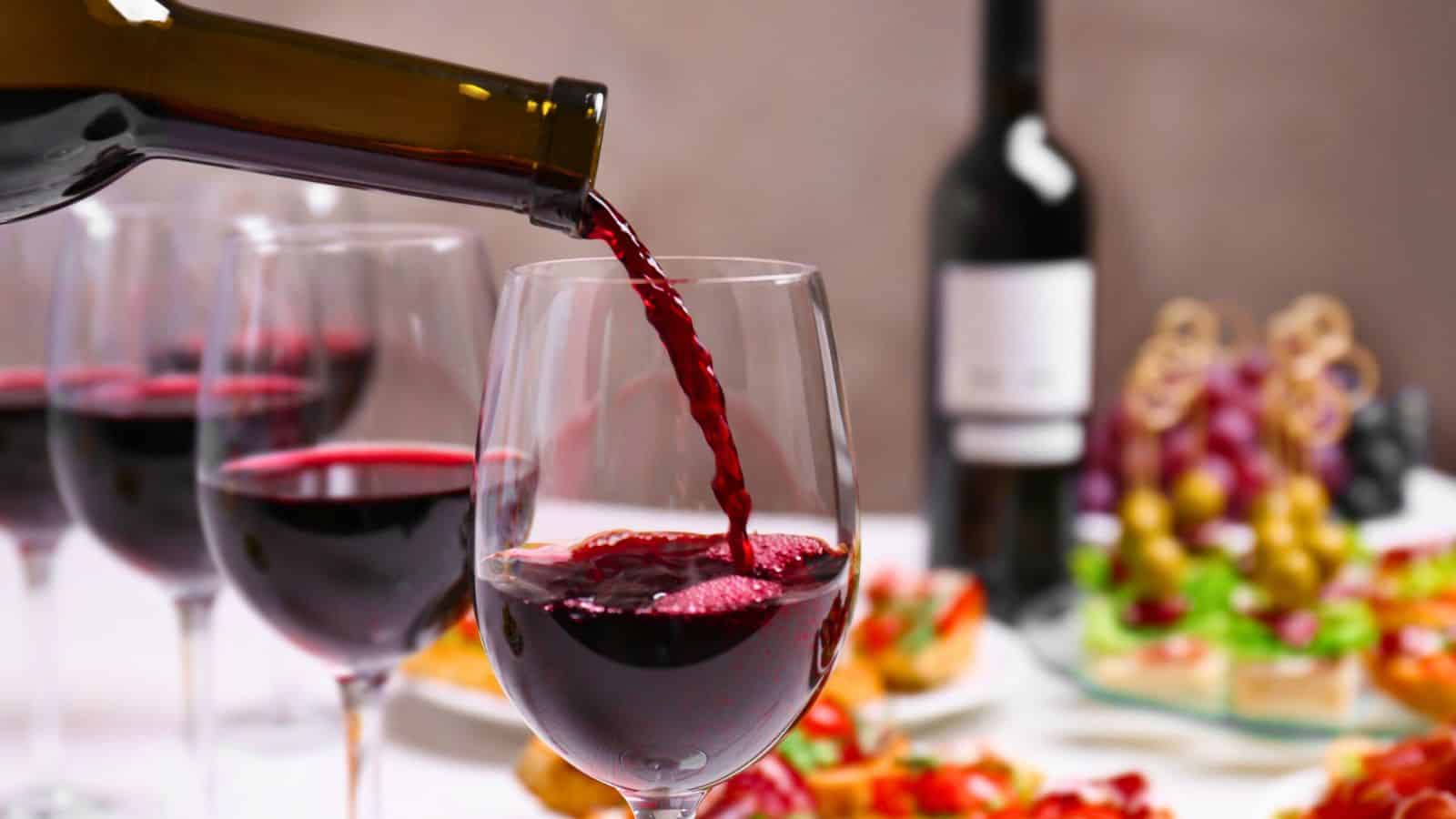
Often considered Spain's noble grape, Tempranillo is known for its deep color and rich flavors. It typically showcases notes of cherry, plum, and tomato, with hints of leather, tobacco, and vanilla from oak aging. The wine's medium to full body and balanced tannins make it a versatile choice for pairing with a wide range of foods, including roasted meats, tapas, and aged cheeses. Tempranillo's ability to age gracefully allows it to develop additional layers of complexity over time, making it a prized varietal in both young and mature forms.
Merlot
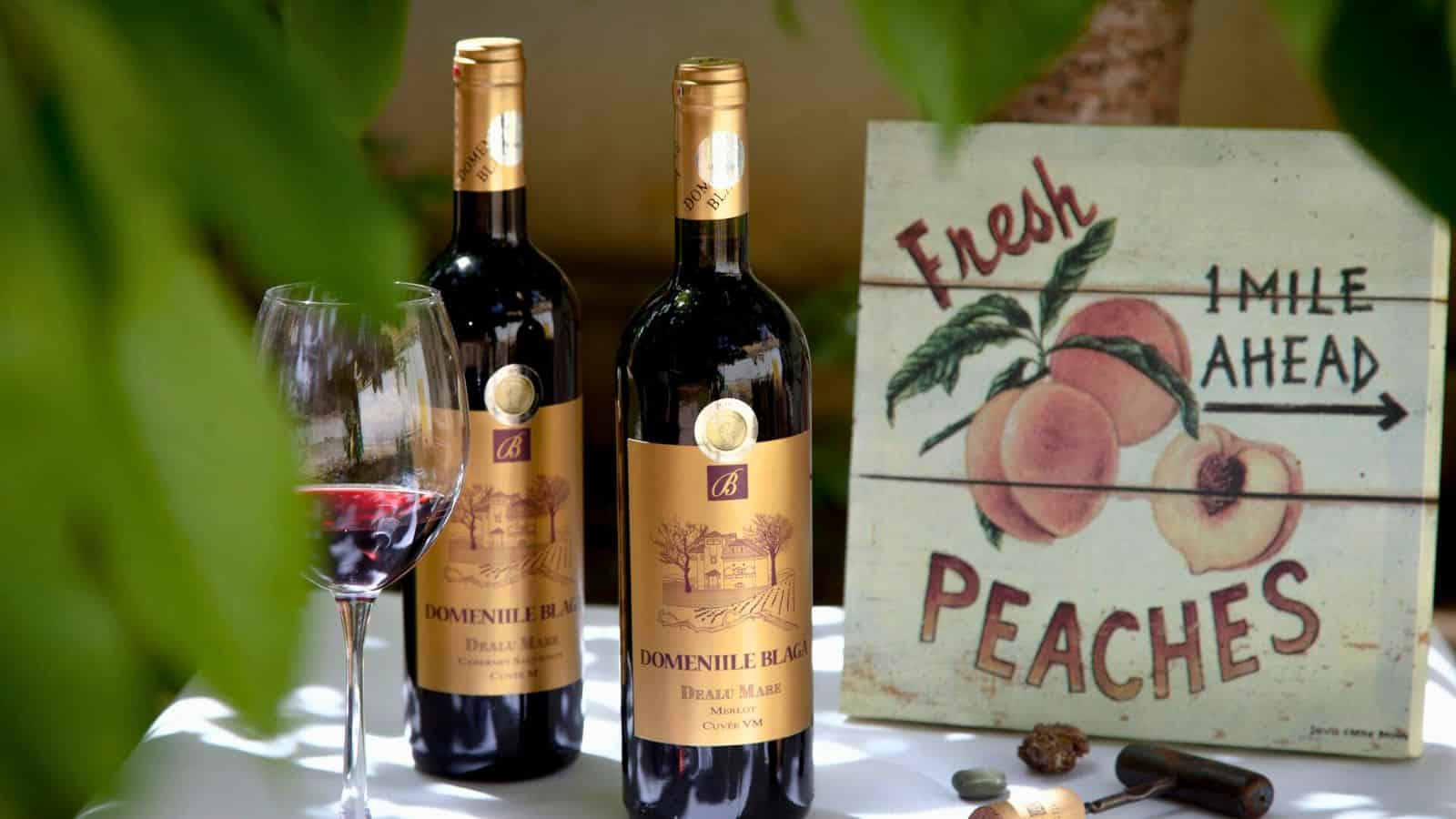
Merlot is known for its smooth, approachable nature, making it a popular choice among wine enthusiasts. It typically features flavors of black cherry, plum, and hints of chocolate. The softer tannins and medium body make it versatile and easy to drink. Merlot can be enjoyed young but also has the potential for aging, developing more complex notes of cedar and tobacco over time. It pairs well with a variety of foods, from grilled meats to pasta dishes, and is often used in blends, particularly in Bordeaux, to add softness and balance.
Zinfandel
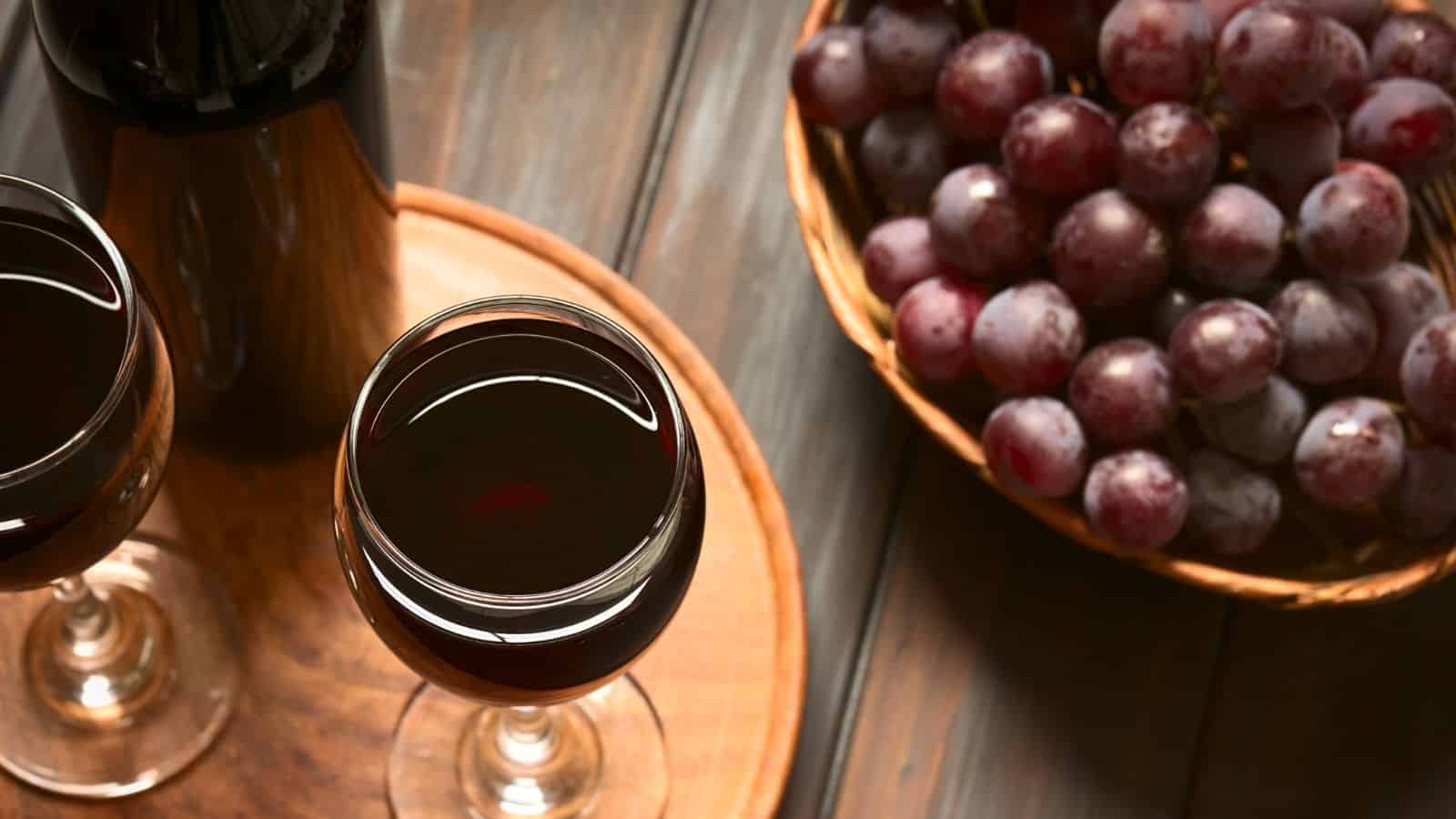
Known for its bold and often fruity character, Zinfandel can range from light and spicy to rich and robust. It typically features flavors of raspberry, blackberry, and plum, with a peppery finish. In some cases, it may also have notes of licorice, tobacco, and oak, especially when aged. The wine's versatility allows it to pair well with a variety of foods, including barbecue, pizza, and hearty pasta dishes. Zinfandel's adaptability in style and flavor profile makes it a popular choice for both casual sipping and more formal occasions.
Nebbiolo
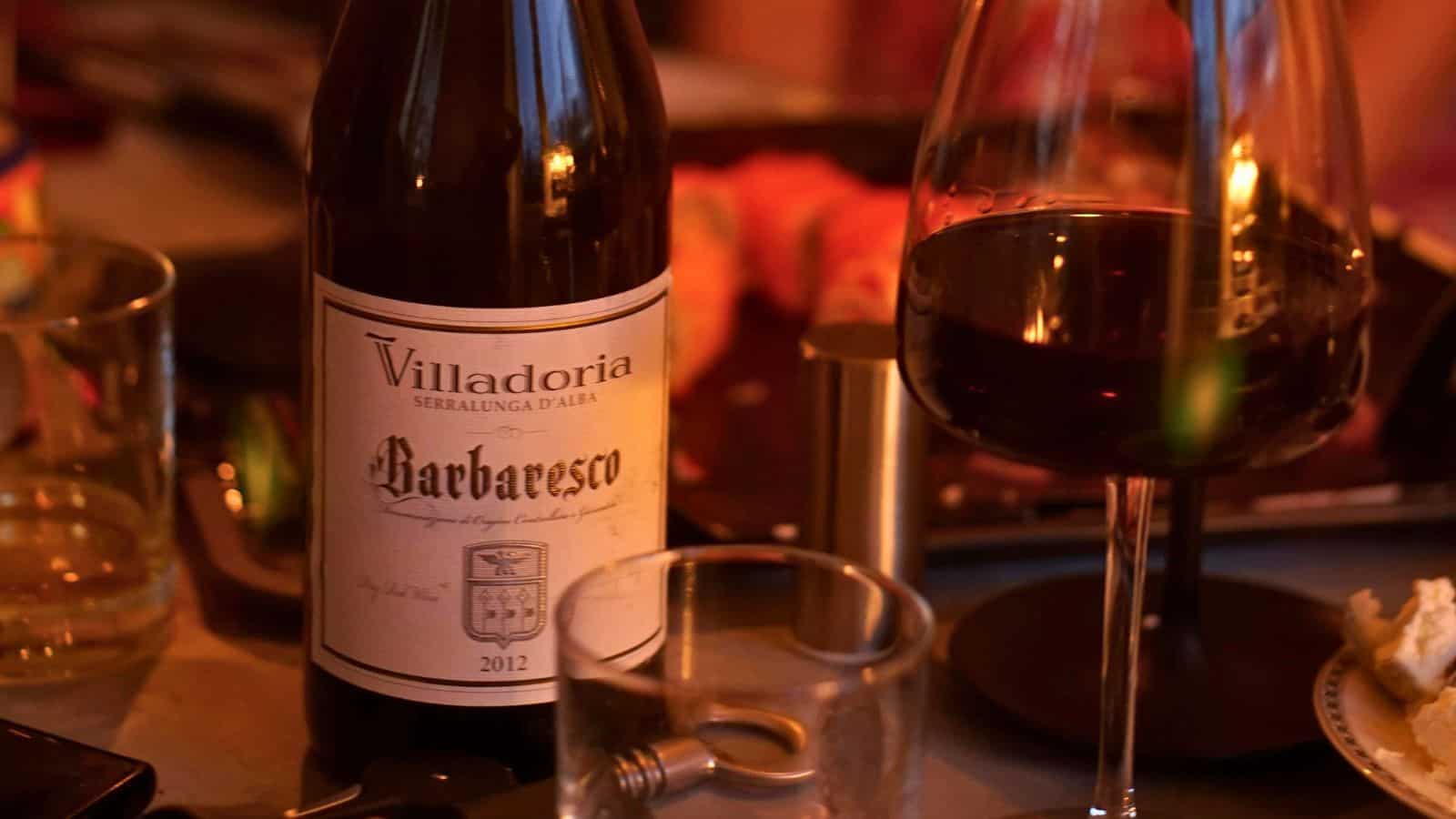
Known for its high tannins and acidity, Nebbiolo is a grape that produces some of Italy's most esteemed wines, such as Barolo and Barbaresco. It typically features flavors of cherry, rose, and tar, with hints of licorice and truffle. The wine's complex structure allows it to age exceptionally well, developing additional layers of flavor and aroma over time. Nebbiolo pairs excellently with rich foods such as braised meats, truffles, and aged cheeses. Its ability to reflect the nuances of its terroir makes it a favorite among connoisseurs who appreciate the depth and complexity of their wines.
Pinot Noir
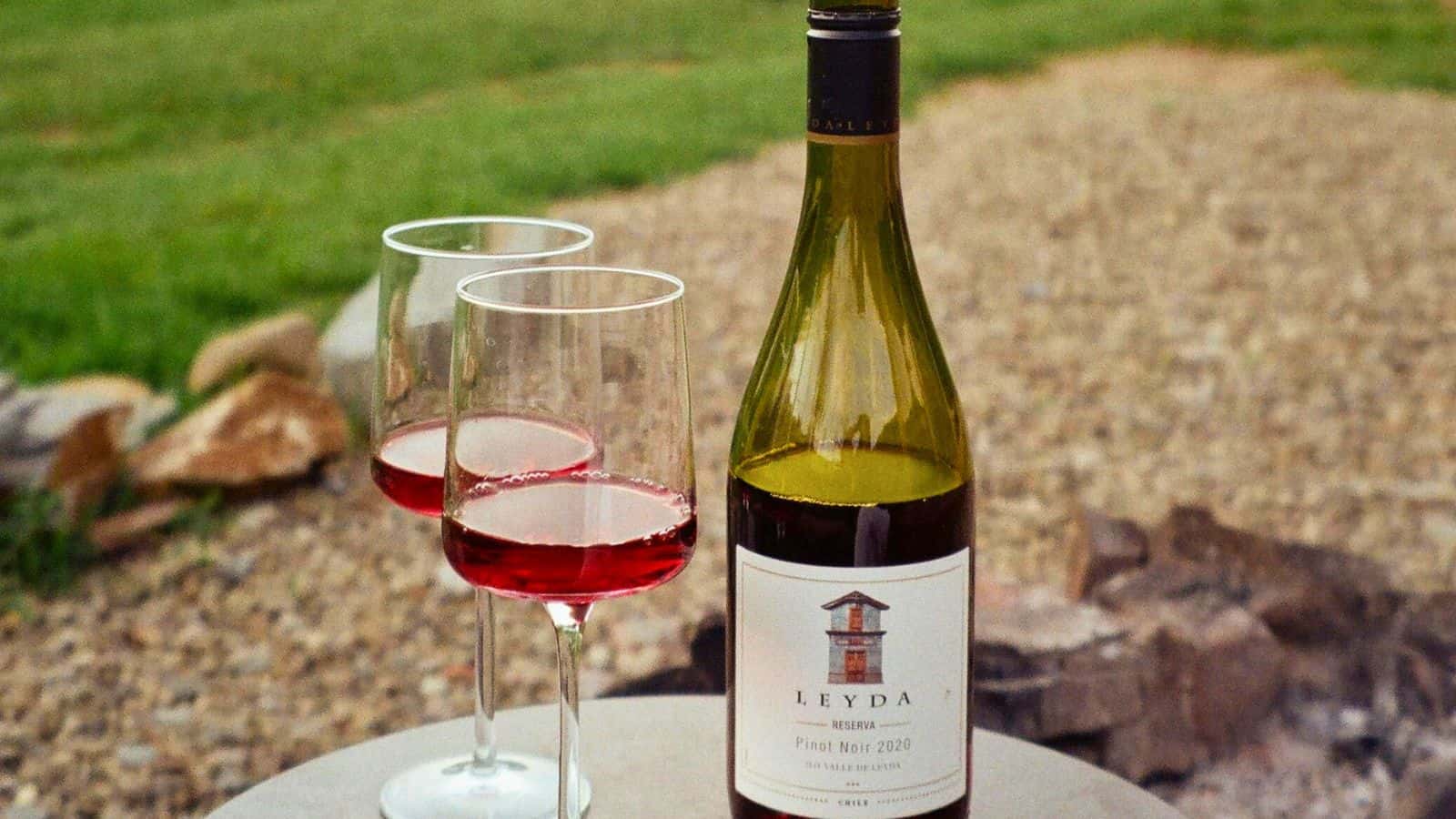
Pinot Noir is celebrated for its elegance and complexity. This light-bodied red wine often exhibits flavors of red cherry, raspberry, and strawberry, with earthy undertones and a hint of spice. The grape's thin skin results in lower tannins and a more delicate structure compared to other red wines. Pinot Noir is highly reflective of its terroir, meaning it can vary significantly depending on where it is grown. It pairs well with a wide range of foods, including poultry, fish, and mushroom dishes, making it a versatile option for various dining occasions.
Sangiovese
As the principal grape in Chianti, Sangiovese is celebrated for its bright acidity and moderate tannins. It often exhibits flavors of red cherry, tomato, and dried herbs, with a touch of earthiness. Aging in oak can impart additional complexity, introducing notes of vanilla, spice, and leather. Sangiovese pairs beautifully with Italian cuisine, particularly tomato-based dishes, grilled meats, and aged cheeses. Its versatility and ability to reflect its terroir make it a favorite among wine enthusiasts who appreciate both tradition and variety in their red wines.
Grenache
Valued for its versatility and often used in blends, Grenache delivers flavors of red fruit such as strawberry and raspberry, along with subtle herbal notes. The wine's medium body and moderate tannins make it approachable and food-friendly. In warmer climates, Grenache can develop higher alcohol content and more intense fruit flavors, while cooler regions may produce more restrained and elegant expressions. It pairs well with a variety of dishes, including roasted meats, stews, and Mediterranean cuisine. Grenache's adaptability and range of styles contribute to its popularity among wine lovers.
Barbera
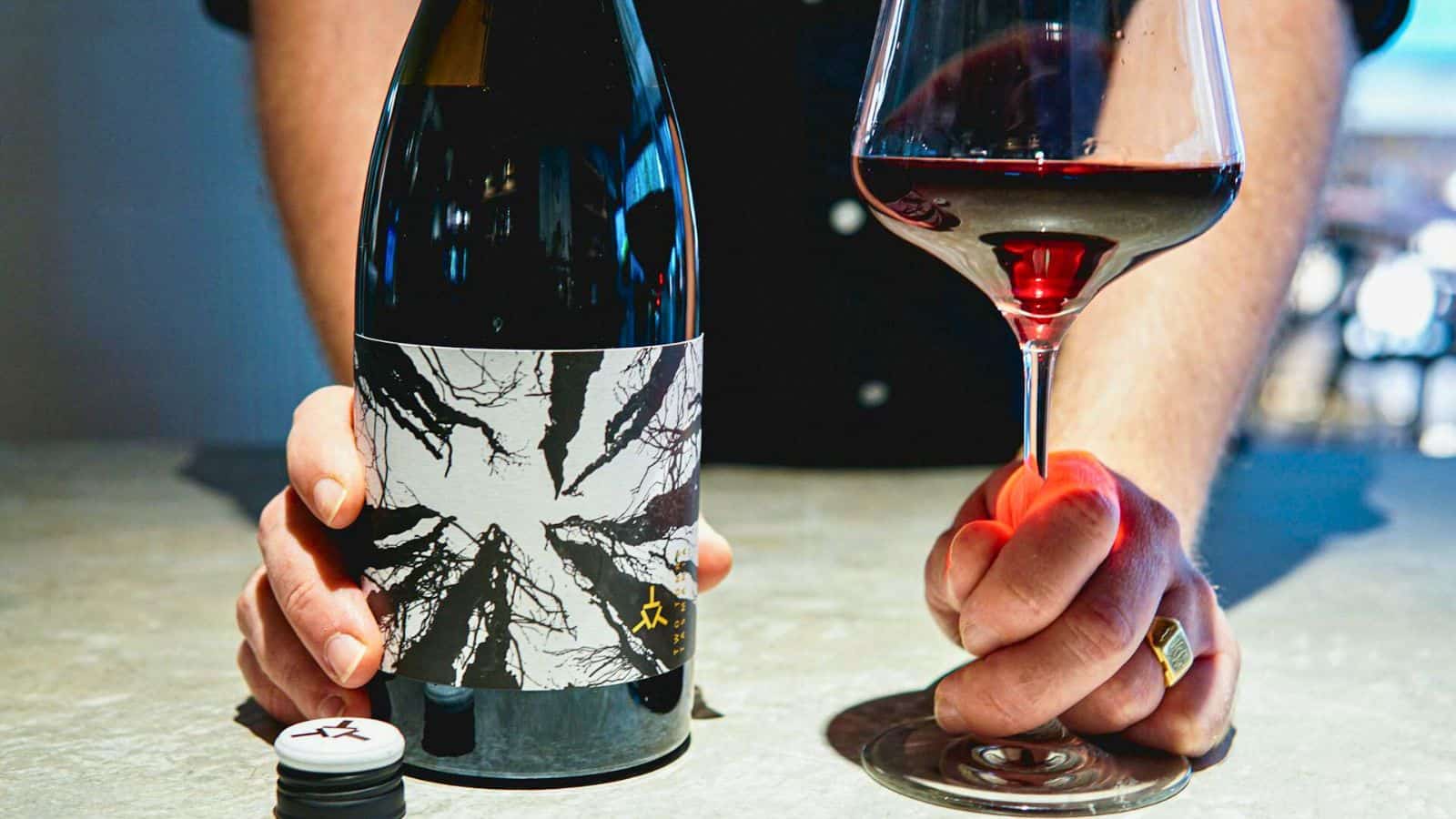
Recognized for its bright acidity and lower tannin levels, Barbera is a versatile and food-friendly red wine. It often showcases flavors of red cherry, blackberry, and plum, with a touch of spice and earthiness. The wine's vibrant acidity makes it a perfect match for a variety of dishes, including pasta, pizza, and grilled vegetables. Barbera can be enjoyed young, but some versions are aged in oak, which adds complexity and depth, introducing notes of vanilla and cedar. Its approachable nature and versatility make it a popular choice for both everyday meals and special occasions.
Carmenere

Originally from Bordeaux but now a signature grape of Chile, Carmenere is celebrated for its deep color and rich flavors. It often exhibits notes of dark fruit such as blackberry and plum, along with distinctive green pepper and spice elements. The wine's medium to full body and smooth tannins make it a versatile choice for pairing with a variety of dishes, including grilled meats, spicy foods, and hearty stews. Carmenere's unique flavor profile and adaptability have made it increasingly popular among wine enthusiasts who enjoy exploring different styles and regions.
Cabernet Sauvignon
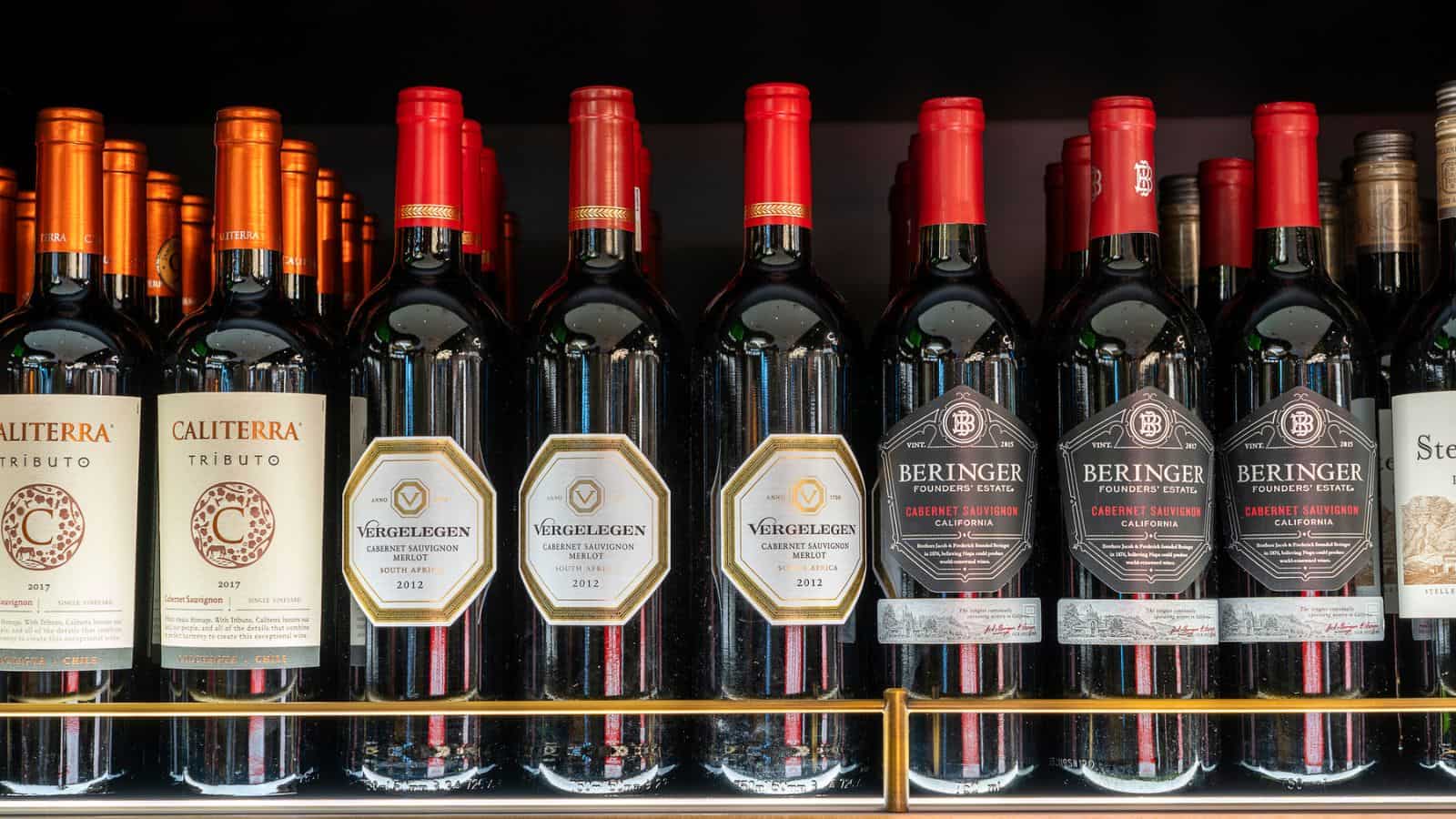
Cabernet Sauvignon is renowned for its robust character and complexity. It exhibits deep flavors of black currant, blackberry, and sometimes hints of green pepper. The grape's thick skin contributes to high tannin levels, which lend structure and aging potential. Often matured in oak barrels, it can develop additional layers of vanilla, tobacco, and leather. This varietal is a staple in Bordeaux blends and is equally celebrated as a single varietal wine. Its bold profile pairs well with hearty dishes, making it a favorite choice for those who appreciate rich, full-bodied wines.
Malbec
Malbec is a red wine varietal that has gained significant popularity, particularly in Argentina. It is known for its deep color and rich, fruity flavors, including black cherry, plum, and blackberry. The wine often has a velvety texture and moderate tannins, making it approachable yet substantial. Malbec can also exhibit notes of cocoa, leather, and violet, especially when aged in oak. It pairs excellently with grilled meats, making it a favorite for barbecues and hearty meals. Its versatility and depth of flavor have made it a standout choice for both casual and serious wine drinkers.
Cabernet Franc
Often used in blends but also enjoyed as a single varietal, Cabernet Franc is known for its lighter body and distinct flavors. It typically features notes of red fruit such as raspberry and cherry, along with herbal elements like bell pepper and mint. The wine's moderate tannins and acidity make it a versatile option for pairing with a range of foods, including roasted vegetables, poultry, and soft cheeses. When aged in oak, Cabernet Franc can develop additional complexity, with hints of tobacco and spice, making it a favorite for those who appreciate nuanced and layered wines.
Sip, Savor, Repeat

Exploring the world of red wine is like embarking on an endless journey of discovery. Each varietal brings its own unique flavors, aromas, and stories, making every glass a new experience. Whether you prefer the boldness of a Cabernet Sauvignon or the elegance of a Pinot Noir, there's always something to learn and enjoy. Red wine has the power to elevate a meal, enhance a conversation, and create memorable moments.
So next time you're at the wine shop or browsing a restaurant menu, don't hesitate to try something new. You might find a new favorite that perfectly complements your taste and style. Remember, the joy of wine is not just in drinking it, but in the journey of exploration and appreciation. Cheers to discovering the rich, diverse world of red wine and all the great experiences it brings.
7 White Wines That Pair With Everything

White wine is a versatile choice that complements a wide range of dishes, making it a favorite among food enthusiasts. These 7 white wines that pair with everything showcase the adaptability of this category, enhancing flavors and elevating dining experiences across various cuisinesWhether seeking a crisp Sauvignon Blanc or a rich Chardonnay, these white wines provide the perfect accompaniment for any culinary adventure. Embracing the diversity of white wine opens up a world of flavor possibilities, ensuring that every dining experience is elevated.
Read it Here: 7 White Wines That Pair With Everything
Wine Not Try These Unusual Plants for Winemaking

You don't have to grow grapes to make exceptional wines at home. The art of winemaking extends far beyond the traditional vineyard. This is why we came up with 30 fruits, berries, and flowers that can be made into wine. With just a few basic pieces of equipment, a bountiful harvest, and patience, you can create wines that rival those made from grapes. The process is simple yet rewarding, allowing you to explore different flavors and aromas. The same old-fashioned principles of fermentation that produce mead-made with honey instead of sugar-and hard cider are applied.
Read it Here: Wine Not Try These 30 Unusual Plants for Winemaking


Comments
No Comments