
Summer's here, and it's time to soak up the sun, hit the beach, and enjoy those long, lazy days. Whether you're hosting a barbecue, chilling by the pool, or just hanging out with friends, drinks often become part of the fun. To make sure your summer parties are both great and safe, here are a few alcohol rules to follow.
Responsible drinking can make all the difference in having a memorable time versus a night you'd rather forget. From staying hydrated to knowing your limits, smart choices can keep you and your friends safe. Plus, understanding the nuances of different types of alcohol can help you enjoy each drink more fully without overdoing it.
We've got some solid tips to help you navigate the season with confidence and responsibility. Before you pop that cork or crack open a cold one, let's talk about some drinking rules that will keep the good times rolling all summer long!

Plan Ahead

Before you start drinking, it's important to have a plan for how you'll get home safely. This might involve arranging for a designated driver, using ride-sharing services, or relying on public transportation. Having a plan in place guarantees that you won't be tempted to drive under the influence, which can lead to accidents, injuries, and legal trouble. Additionally, knowing your transportation options in advance can reduce stress and help you enjoy your time without worrying about how you'll get home.
Eat Before Drinking

Consuming food before drinking alcohol slows down the rate at which alcohol is absorbed into your bloodstream. When your stomach contains food, especially proteins and fats, it acts as a buffer, causing alcohol to be absorbed more gradually. This can help you feel the effects of alcohol more slowly and reduce the risk of becoming overly intoxicated quickly. Eating beforehand can also help mitigate stomach irritation and reduce the likelihood of experiencing nausea or other digestive issues.
Know Your Limits
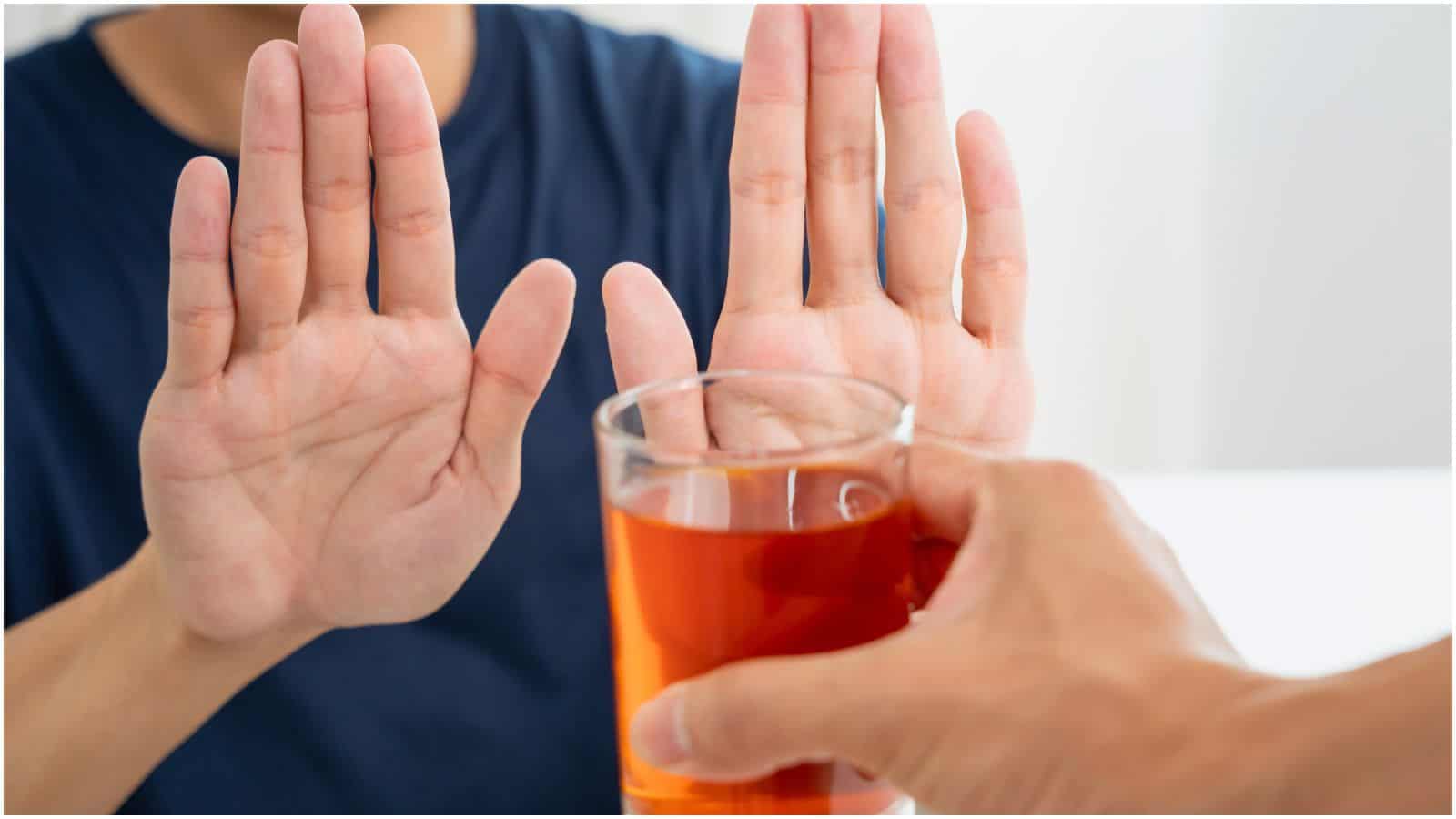
Understanding your own tolerance for alcohol is key to drinking responsibly. Each person has a different level of tolerance, influenced by factors such as body weight, age, gender, and drinking history. Knowing your limits helps you avoid excessive drinking, which can lead to risky behaviors, accidents, and health problems. It's important to listen to your body and recognize the signs of reaching your limit, such as feeling dizzy, losing coordination, or slurring speech.
Choose Quality over Quantity

When it comes to drinking, opting for higher-quality beverages can enhance your experience. Quality drinks often contain better ingredients and are crafted with care, delivering a more refined taste. Additionally, when you focus on quality rather than quantity, you're likely to drink more slowly and mindfully, savoring each sip. This approach can help you avoid overconsumption and its negative effects. Enjoying a well-made cocktail or a premium glass of wine can be more satisfying than consuming large amounts of lower-quality alcohol!
Pace Yourself

Drinking slowly and pacing yourself can help you maintain control and enjoy the effects of alcohol more gradually. Rapid consumption can lead to quick intoxication, increasing the risk of accidents and poor decision-making. By sipping your drinks and taking breaks, you give your body time to process the alcohol, reducing the likelihood of becoming overly intoxicated. This approach also allows you to better gauge how alcohol is affecting you, making it easier to recognize when it's time to stop.
Alternate with Non-Alcoholic Drinks

Interspersing non-alcoholic beverages between alcoholic ones can help you moderate your alcohol intake. Drinking water, soda, or other non-alcoholic options helps you stay hydrated and gives your body time to process the alcohol you've consumed. This practice can reduce the amount of alcohol you drink, lowering the risk of intoxication and hangovers. It's also a way to stay engaged in social situations without constantly consuming alcohol.
Avoid Mixing Alcohol Types
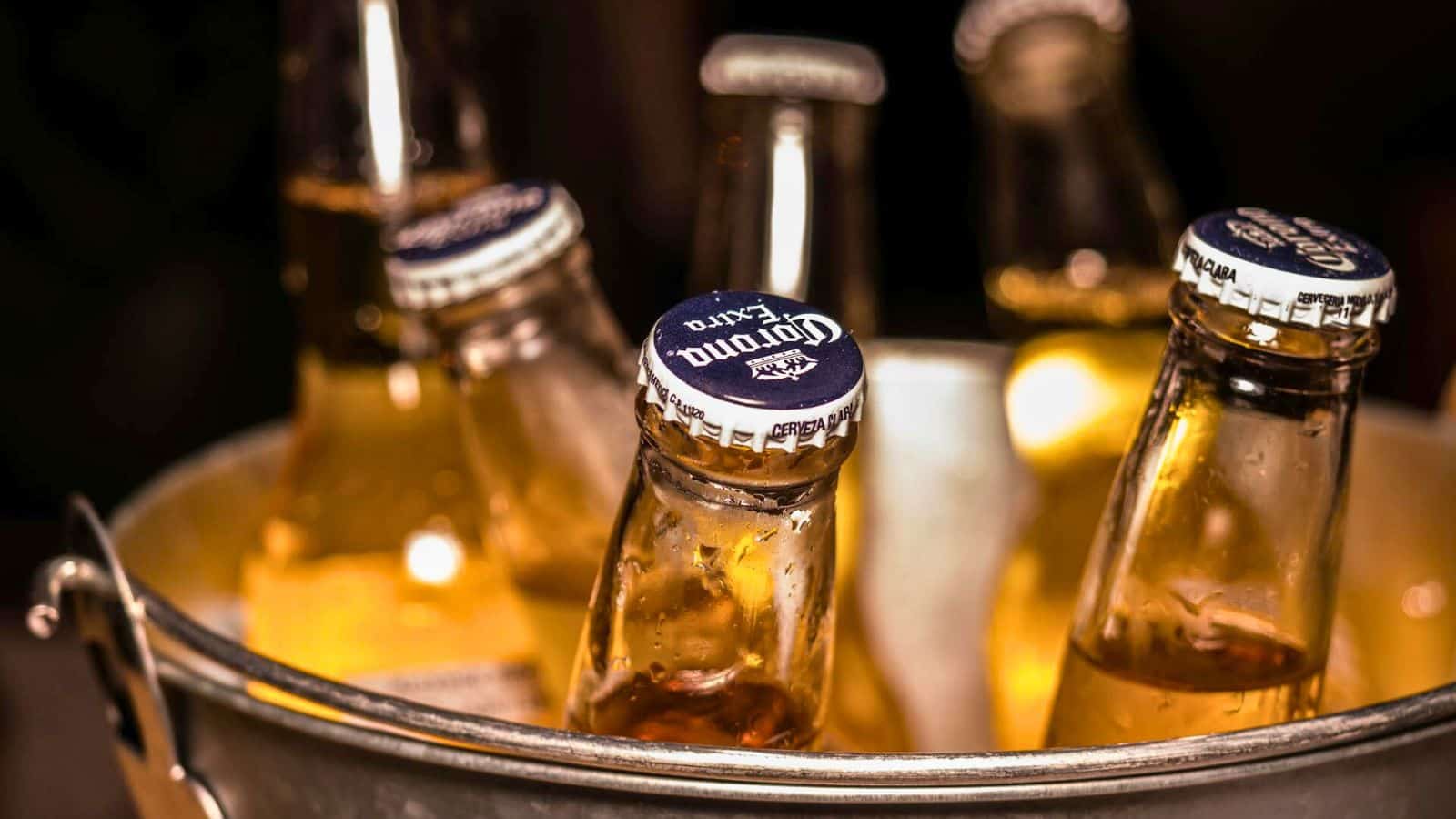
Sticking to one type of alcohol during an event can help prevent adverse effects such as nausea and hangovers. Mixing different types of alcohol, such as beer, wine, and spirits, can lead to unpredictable reactions in your body. Each type of alcohol is processed differently, and combining them can increase the likelihood of digestive issues and a more severe hangover. By choosing one type of drink and sticking with it, you can better manage your alcohol intake and minimize the risk of negative side effects.
Don't Drink and Drive
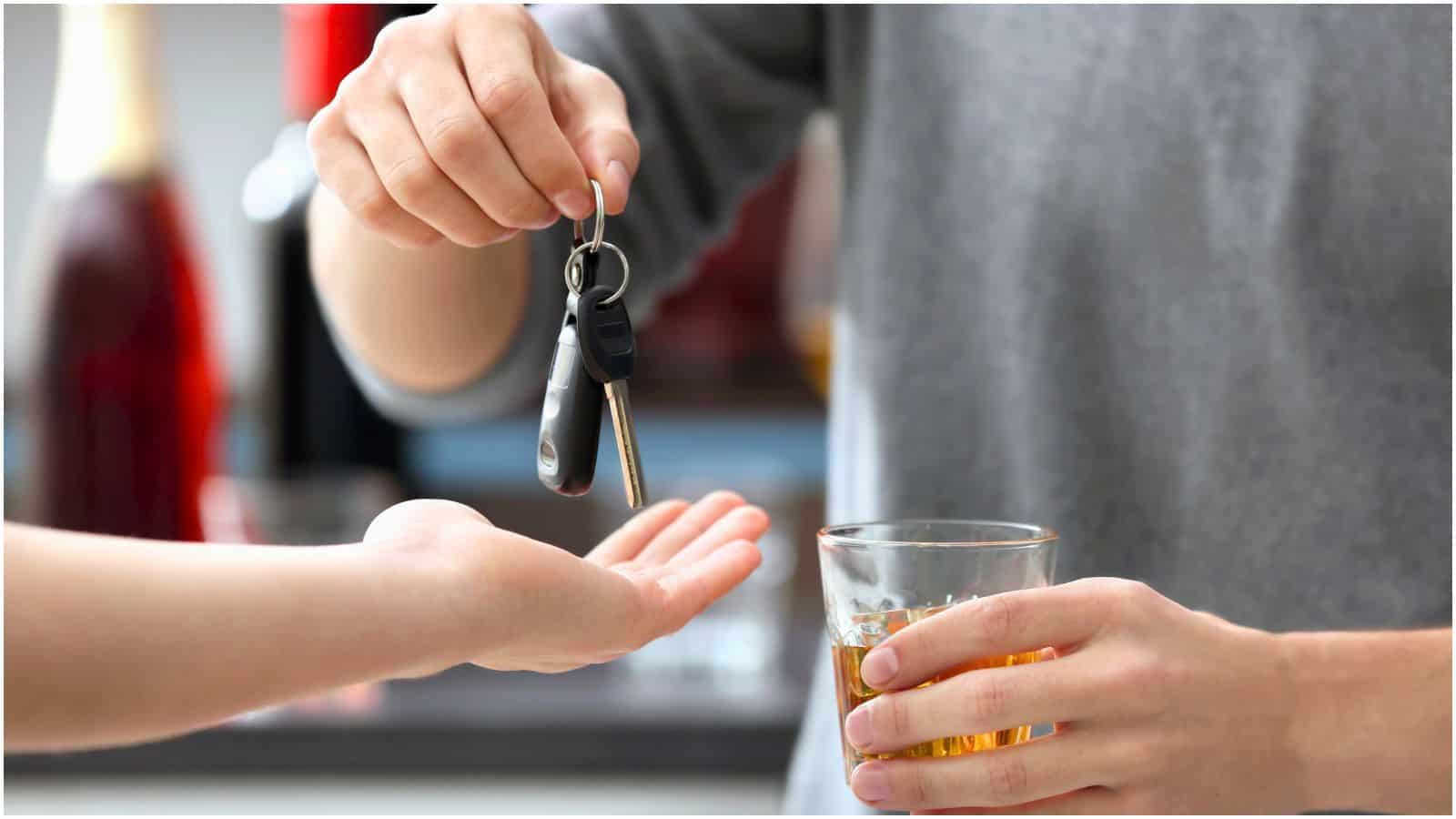
Drinking and driving is a dangerous and illegal activity that puts yourself and others at risk. Alcohol impairs your ability to operate a vehicle safely by slowing your reaction time, reducing coordination, and impairing judgment. Always plan ahead to have a designated driver, use ride-sharing services, or arrange for alternative transportation if you plan to drink. By doing so, you can prevent accidents, injuries, and legal consequences. Remember, even small amounts of alcohol can affect your driving abilities, so it's best to avoid driving altogether if you've consumed any alcohol.
Respect Others' Choices

It's important to respect the drinking choices of others, whether they choose to drink or abstain. Peer pressure to drink can create uncomfortable situations and potentially lead to unsafe behaviors. Everyone has their reasons for their choices, including health concerns, personal preferences, or past experiences. By respecting these choices and not pushing others to drink, you contribute to a more inclusive and supportive social environment.
Be Mindful of Alcohol Content

Different alcoholic beverages contain varying levels of alcohol, and being aware of these differences can help you manage your consumption more effectively. For example, spirits typically have a higher alcohol content than beer or wine. Knowing the alcohol content of your drinks allows you to make informed decisions about how much and how quickly to drink. This awareness can help you avoid overconsumption and its associated risks, such as intoxication and hangovers.
Know the Signs of Alcohol Poisoning

Alcohol poisoning is a serious condition that can result from consuming large amounts of alcohol in a short period. It's important to recognize the symptoms, which can include confusion, vomiting, seizures, slow or irregular breathing, and unconsciousness. If you suspect someone has alcohol poisoning, seek medical help immediately. Time is critical in these situations, and prompt medical attention can save lives. Educating yourself about the signs and dangers of alcohol poisoning enables you to respond effectively in an emergency.
Keep Track of Your Drinks

Keeping a mental or physical count of how many drinks you've had can help you manage your alcohol intake and avoid overconsumption. It's easy to lose track of your drinking, especially in social settings where drinks may be freely available or refilled without you noticing. By actively keeping count, you maintain better control over your alcohol consumption and can make more informed decisions about when to stop. This practice helps prevent unintentional intoxication and the negative effects that come with it, such as impaired judgment, accidents, and hangovers.
Avoid Drinking Games

Drinking games can lead to rapid and excessive alcohol consumption, increasing the risk of intoxication and alcohol-related harm. These games often involve drinking large quantities of alcohol in a short period, making it difficult to pace yourself and stay aware of your limits. Participating in drinking games can result in impaired judgment, risky behaviors, and negative health effects. Instead, focus on socializing and engaging in activities that don't revolve around alcohol.
Stay Hydrated

Drinking alcohol can lead to dehydration because it acts as a diuretic, meaning it causes your body to lose fluids through increased urination. To counteract this, it's crucial to drink water between alcoholic beverages. This habit helps maintain your body's hydration levels, preventing the negative effects of dehydration such as headaches, dizziness, and dry mouth. It also helps you pace your alcohol consumption, potentially reducing the likelihood of overconsumption and the subsequent hangover. Making hydration a priority can contribute significantly to a more pleasant and safe drinking experience.
Stay with Friends

Drinking in a group with friends can enhance your safety and enjoyment. When you're with trusted companions, you can look out for each other and make sure that everyone is drinking responsibly. Friends can help monitor your alcohol intake, give support if you start to feel unwell, and assist in making safe decisions. Staying with a group also reduces the risk of encountering unsafe situations or being taken advantage of.
Watch Your Drink

It's important to never leave your drink unattended to prevent tampering. In social settings, there is a risk that someone could spike your drink with substances without your knowledge. Always keep an eye on your drink or hold onto it, and if you need to leave it, ask a trusted friend to watch it for you. If you ever lose track of your drink or feel unsure about its safety, it's best to get a new one.
Moderate Drinking in the Sun

Drinking alcohol in hot weather can accelerate dehydration, as both alcohol and heat cause your body to lose fluids. When drinking in the sun, it's essential to take extra precautions to stay hydrated. Drink water frequently and take breaks in the shade to cool down. The combination of alcohol and heat can also impair your judgment more quickly, increasing the risk of accidents or heat-related illnesses.
Avoid Alcohol with Medication
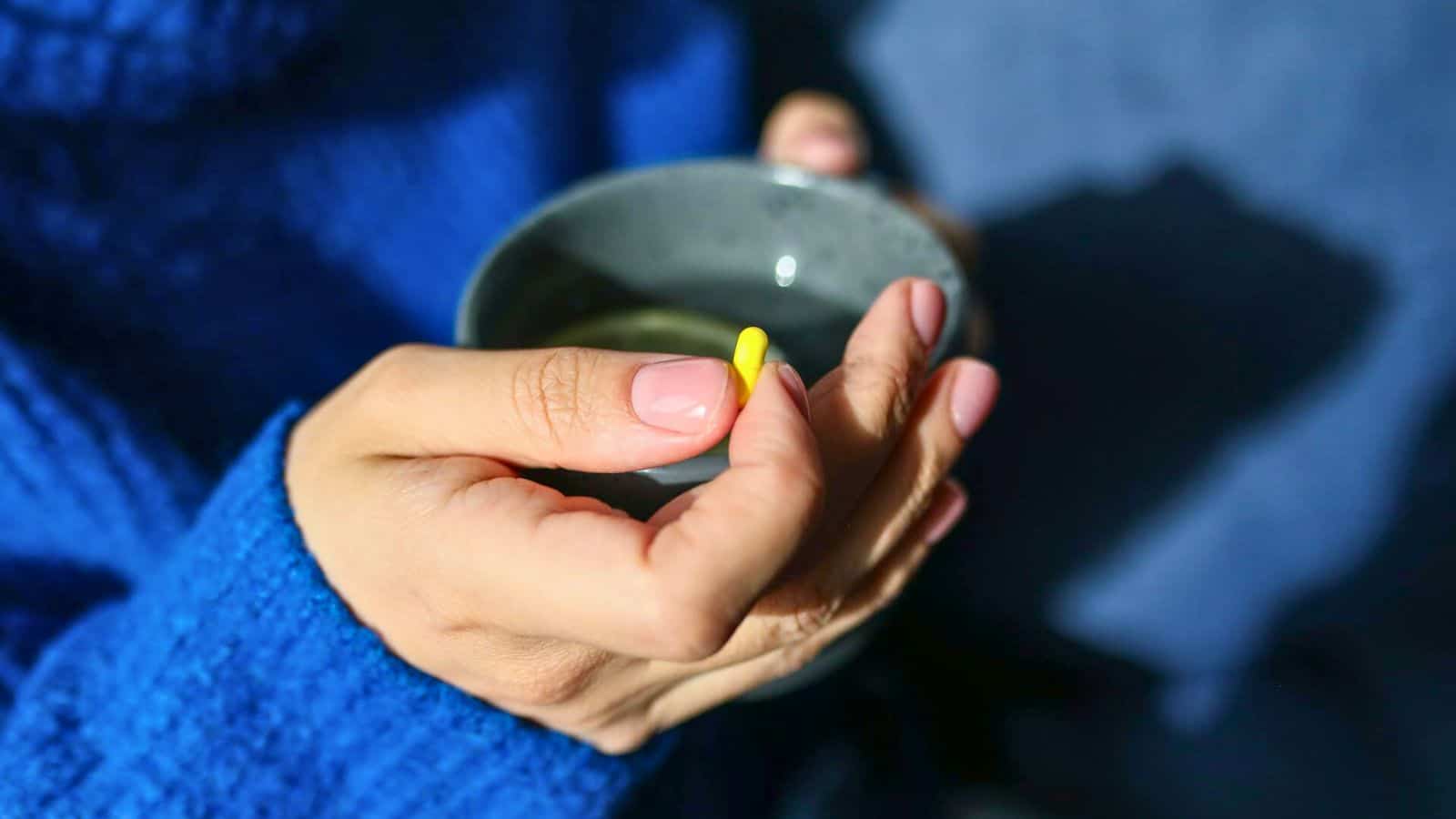
Combining alcohol with medication can have dangerous interactions. Alcohol can affect the way medications are metabolized in your body, potentially increasing side effects or reducing the effectiveness of the medication. Some medications, when mixed with alcohol, can cause severe reactions such as drowsiness, dizziness, or even life-threatening conditions. It's crucial to read the labels of any medications you are taking and consult with your healthcare provider about any potential risks.
Know the Legal Drinking Age

Adhering to the legal drinking age in your location is important for your safety and compliance with the law. The legal drinking age varies by country and region, and it was established to protect young people from the potential risks of alcohol consumption. Drinking before reaching the legal age can lead to legal consequences, health issues, and increased vulnerability to risky behaviors. By respecting the legal drinking age, you contribute to a culture of responsible drinking.
Respect Public Drinking Laws

It's important to be aware of and follow local laws regarding the consumption of alcohol in public places. Public drinking laws are designed to maintain order and safety in communal spaces. Violating these laws can result in fines, arrests, or other legal consequences. Before drinking in public, familiarize yourself with the regulations in your area, such as whether open containers are allowed or if there are designated areas for alcohol consumption.
Be Aware of Your Surroundings

Making sure that you are in a safe environment when consuming alcohol is crucial for your well-being. Choose venues that are reputable and have good security measures. If you're at a party or event, stay alert to the behavior of those around you and avoid situations that feel unsafe or uncomfortable. Trust your instincts and don't hesitate to leave if you feel uneasy. Being aware of your surroundings helps you stay in control and reduces the risk of encountering dangerous situations.
Don't Drink on an Empty Stomach

Drinking alcohol on an empty stomach can lead to faster absorption into the bloodstream, causing you to feel its effects more quickly and intensely. This can increase the risk of intoxication, nausea, and other negative side effects. Eating a meal or snacks before drinking helps slow down alcohol absorption, allowing you to enjoy your drinks more comfortably and responsibly. Foods high in protein and fat are particularly effective in moderating alcohol's impact.
Limit Caffeinated Alcoholic Drinks
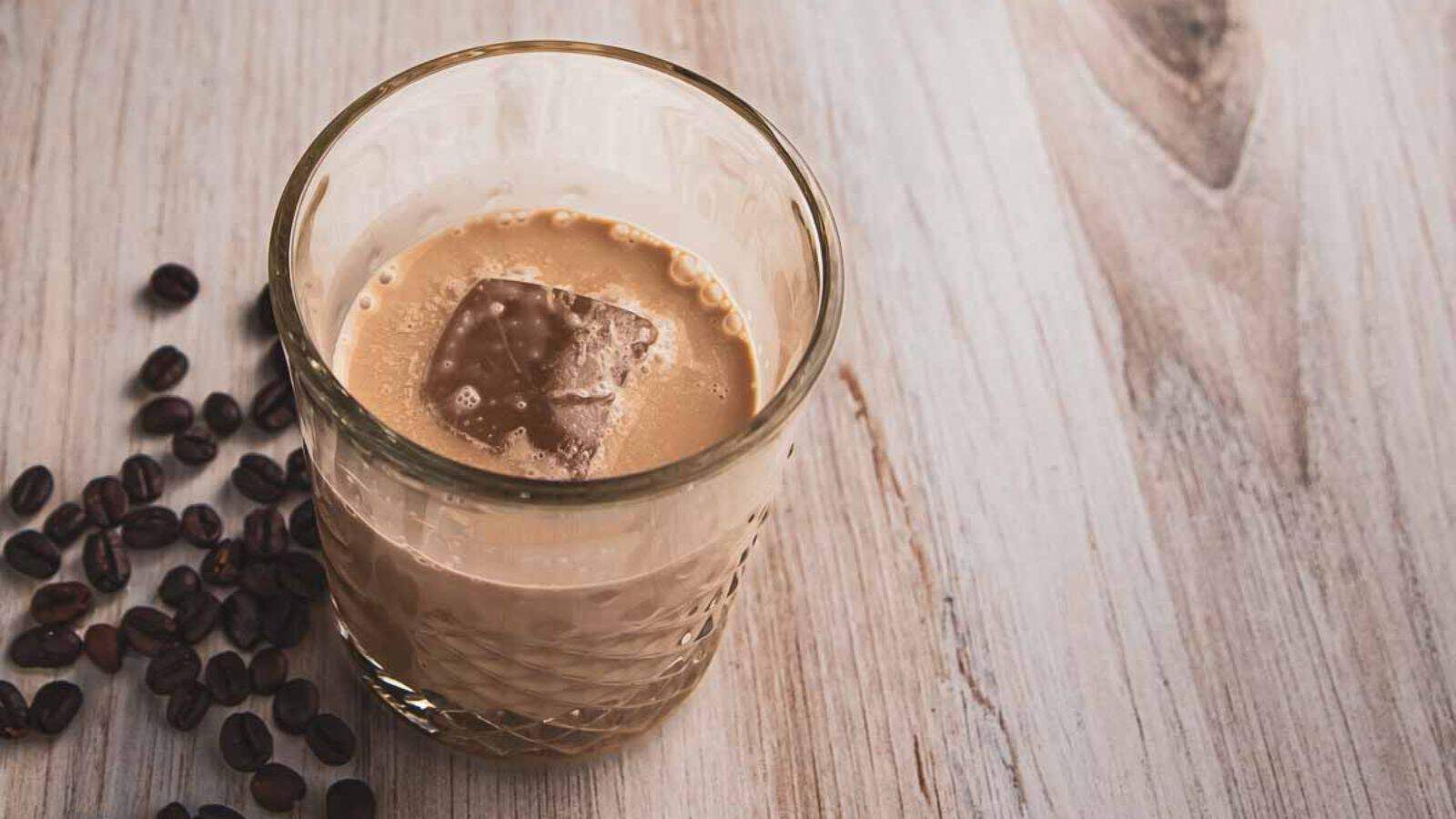
Caffeinated alcoholic beverages can mask the effects of alcohol, making you feel more alert and less intoxicated than you actually are. This can lead to overconsumption and increase the risk of alcohol poisoning and other alcohol-related harms. It's important to be cautious with these types of drinks and limit your intake. Mixing alcohol with energy drinks or other caffeinated beverages can create a dangerous combination, as the stimulating effects of caffeine can encourage you to drink more than your body can handle. You can try coffee-based mocktails instead like white Russian mocktail and alcohol-free Kahlua.
Listen to Your Body

Paying attention to your body's signals is essential when drinking alcohol. If you start to feel unwell, dizzy, or overly intoxicated, it's important to stop drinking and take a break. Recognizing when you've had enough can prevent further negative effects and help you avoid situations that could compromise your safety. Trusting your body's cues and responding appropriately allows you to maintain control and enjoy your time without pushing yourself too far.
Party Smart by Staying Sharp

As summer winds down, it's important to remember that how we handle our drinking can make or break our memories of the season. By following a few simple rules, you can keep the fun times rolling without any unwanted consequences. Whether it's pacing yourself, staying hydrated, or making sure everyone gets home safely, these tips are about enjoying your summer to the fullest.
Smart drinking isn't about limiting your fun; it's about enhancing it. When you drink responsibly, you create a safer and more fun environment for yourself and those around you. This approach helps you avoid the pitfalls of overindulgence and keeps the vibe positive and stress-free.
So as you plan your next summer get-together, keep these rules in mind. They're not just guidelines; they're keys to a great and memorable summer. Enjoy your drinks, enjoy your friends, and most importantly, enjoy the moments. Cheers to a fun, safe, and unforgettable summer!




Comments
No Comments