

There's something almost meditative about coffee brewing by hand, whether you're pressing down that metal plunger or watching water spiral slowly through grounds. Both French press and pour-over methods are well loved, and it's easy to see why. Each produces exceptional coffee, but in completely different ways that suit different moods, mornings, and personalities.
The question isn't really which method is objectively better, but rather which one fits into your life in a way that makes those morning moments feel just right.
Understanding the fundamentals
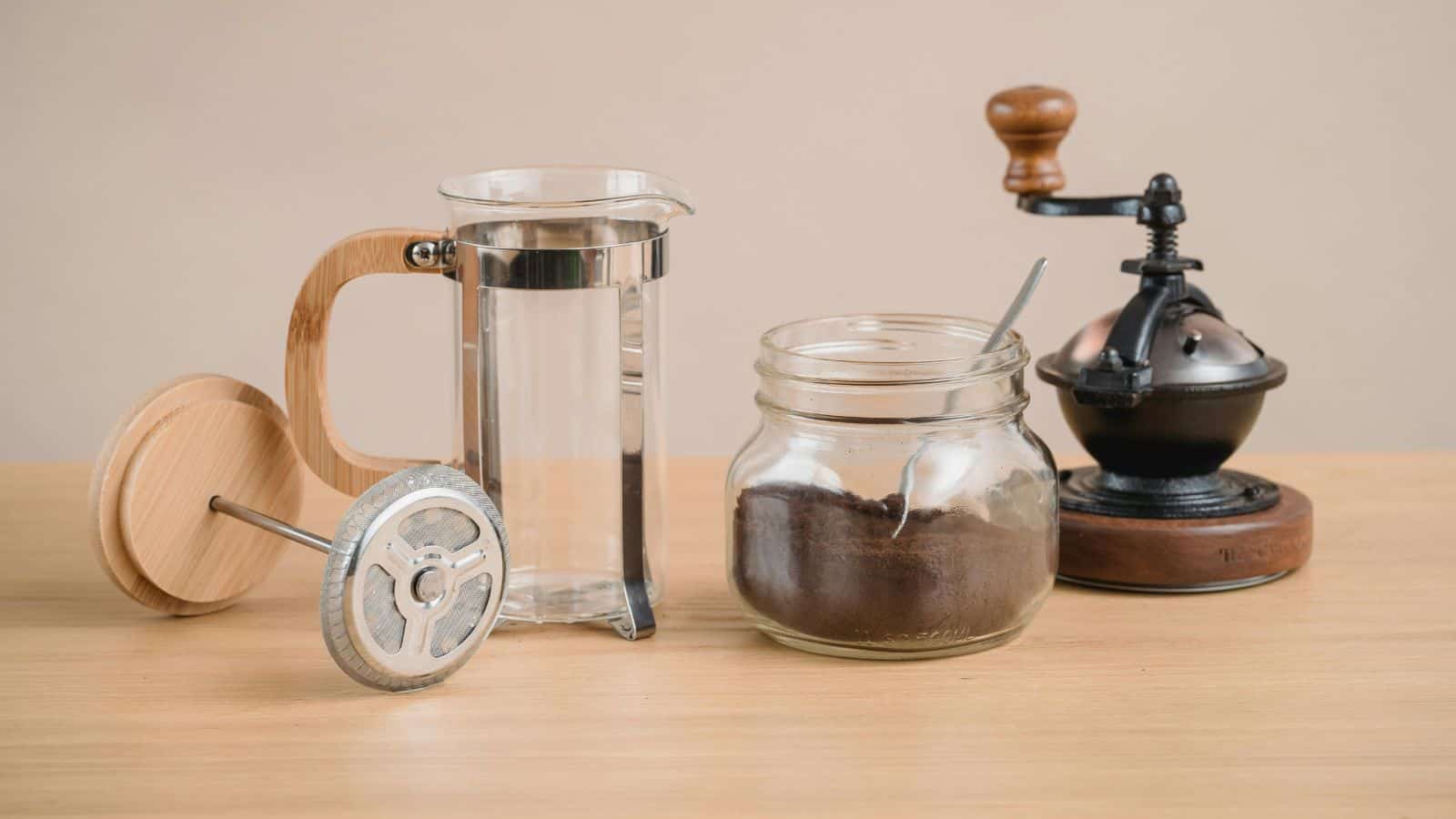
French press coffee is straightforward. You combine coarsely ground coffee with hot water, let everything steep together for about four to six minutes while the flavors fully develop, then press the plunger down to separate the coffee grounds from your finished coffee. It's an immersion method where the coffee and water spend quality time together, resulting in a bold, full-bodied cup with a richness that coats your palate.
Pour-over coffee takes a more delicate approach. You slowly pour hot water over medium-fine grounds in a controlled, circular motion, allowing the water to pass through the coffee and filter at its own pace. The entire process takes about three to four minutes of active pouring, and what you get is a clean, bright cup that highlights the more nuanced flavors in your beans.
The taste experience
The difference in flavor between these two methods is quite pronounced. French press coffee has that bold, robust character that many coffee lovers seek. Because the grounds are fully immersed and you're using a metal mesh filter, more of the coffee's natural oils make it into your cup, creating a heavier body and richer mouthfeel. You might find a bit of sediment at the bottom, which some consider part of the authentic experience.
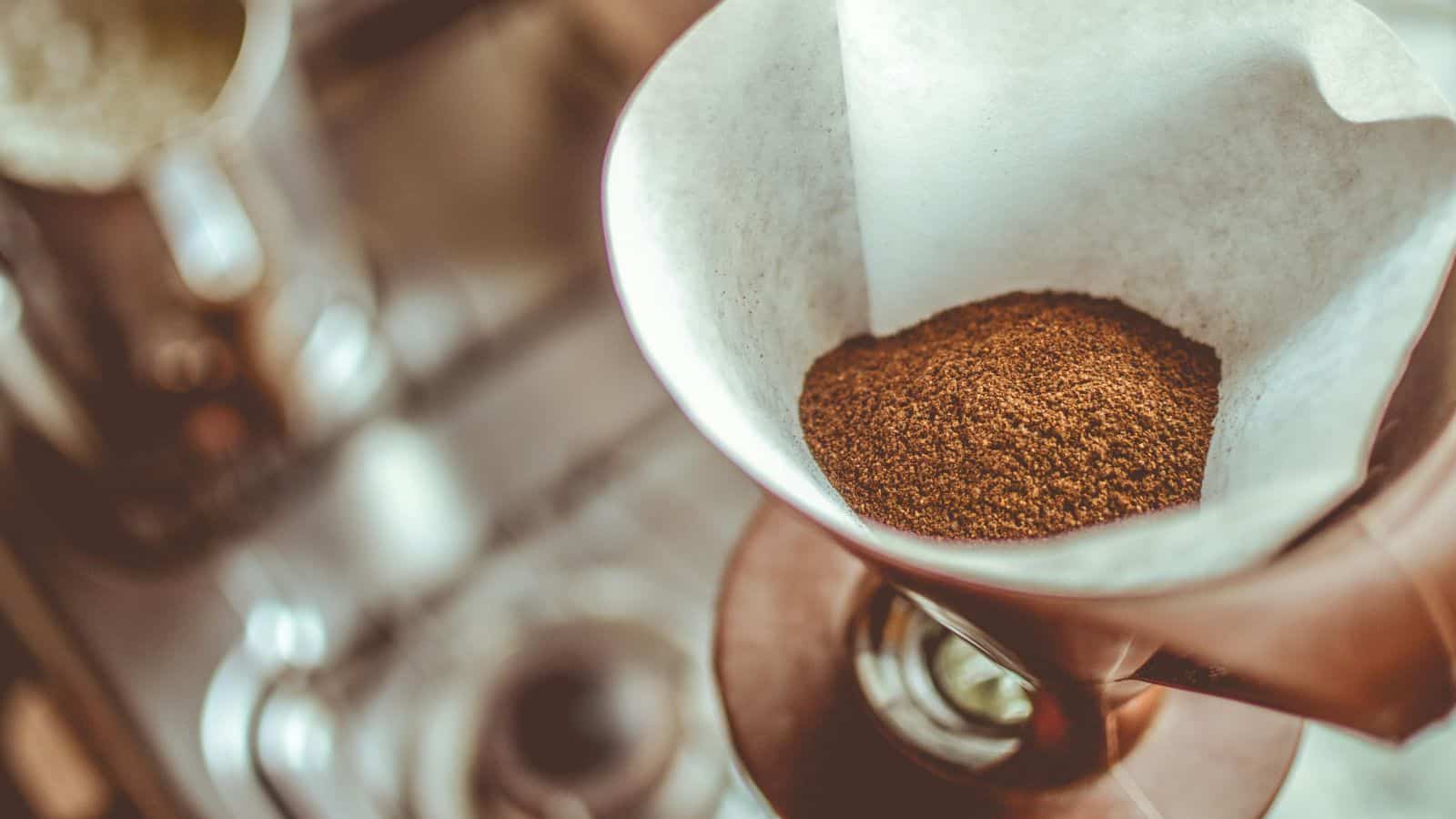
Pour-over coffee offers something entirely different: a cleaner, more refined cup. The paper filter catches the oils and fine particles, resulting in a smoother texture and brighter acidity. It's the kind of coffee that lets you taste the subtle notes that coffee roasters work so hard to develop, whether that's hints of fruit, chocolate, or floral undertones.
The brewing ritual
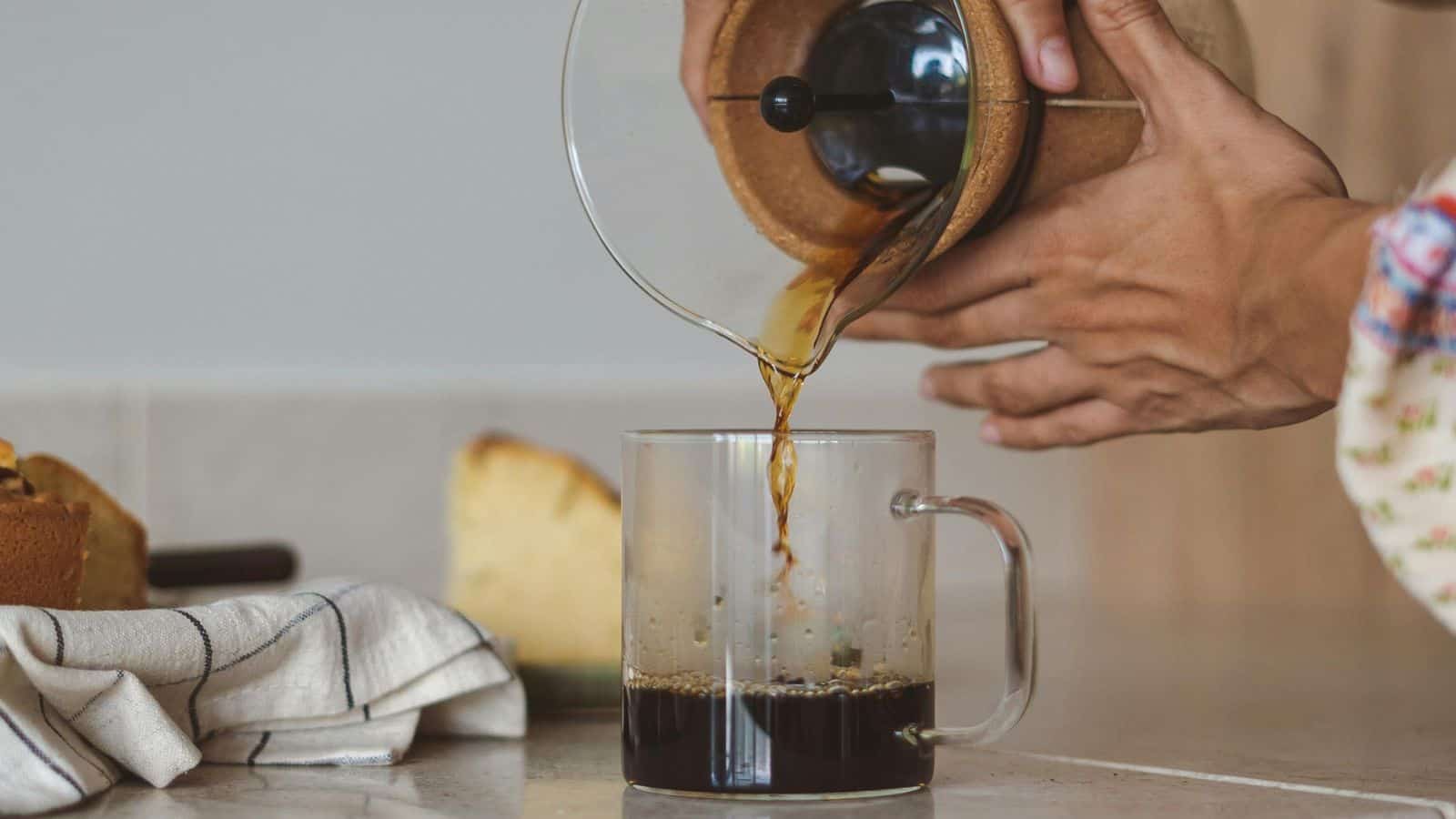
How you make your coffee can be just as important as how it tastes. French press brewing is forgiving and straightforward. You measure your coffee and water, combine them, set a timer, and walk away. When the timer goes off, you press and pour. It's perfect for those hurried mornings when you want coffee without the fuss, and it easily makes enough for multiple cups.
Pour-over brewing requires more attention and intention. You need to control your water temperature, maintain a steady pouring technique, and pay attention to timing. It's more hands-on, more deliberate, and typically yields a single cup. For some, this focused attention becomes a cherished morning ritual, a few minutes of mindfulness before the day begins.. and honestly, it's so therapeutic.
Practical considerations
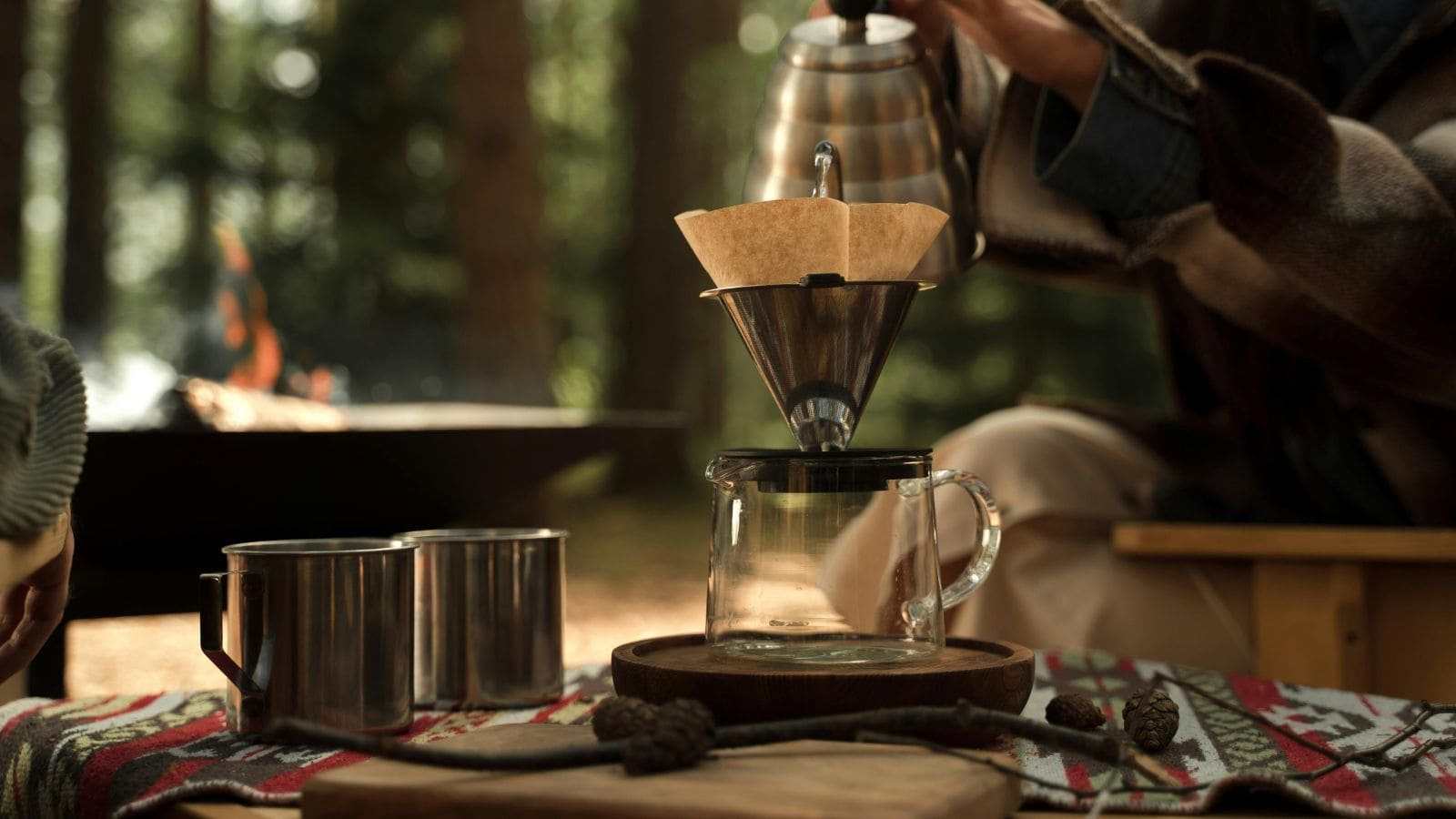
Both methods are surprisingly affordable compared to fancy espresso machines. A decent French press can cost as little as $15, while a basic pour-over setup runs around $20. The ongoing costs differ slightly: French press requires no additional supplies once you have your equipment, while pour-over needs paper filters and ideally a gooseneck kettle for proper water control.
Coffee made with a French press is notably more convenient for households with multiple coffee drinkers, as you can easily brew several cups at once. pour-over typically serves one person at a time, making it less practical when everyone needs their caffeine fix simultaneously.
Finding your best coffee match

Your ideal brewing method depends entirely on what you value most in your coffee experience. Using a French press might be your perfect match if you prefer bold, rich flavors and appreciate the convenience of a low-maintenance brewing process. It's also ideal if you regularly make coffee for more than one person or if you're someone who wants to set it and forget it while getting ready in the morning.
Pour over coffee could be your calling if you enjoy a cleaner, more delicate cup and don't mind spending a few extra minutes on brewing coffee. It's particularly appealing if you love experimenting with different variables to perfect your technique, or if you find the slow, deliberate pouring process genuinely relaxing rather than tedious.
Neither method is inherently superior. They simply excel in different ways and appeal to different sensibilities. The best approach might be to try both and see which one feels right for your mornings, your taste preferences, and your lifestyle. After all, the perfect cup of coffee is the one that brings you the most satisfaction, whether that comes from bold simplicity or refined precision.
This article originally appeared on Food Drink Life.


Comments
No Comments