

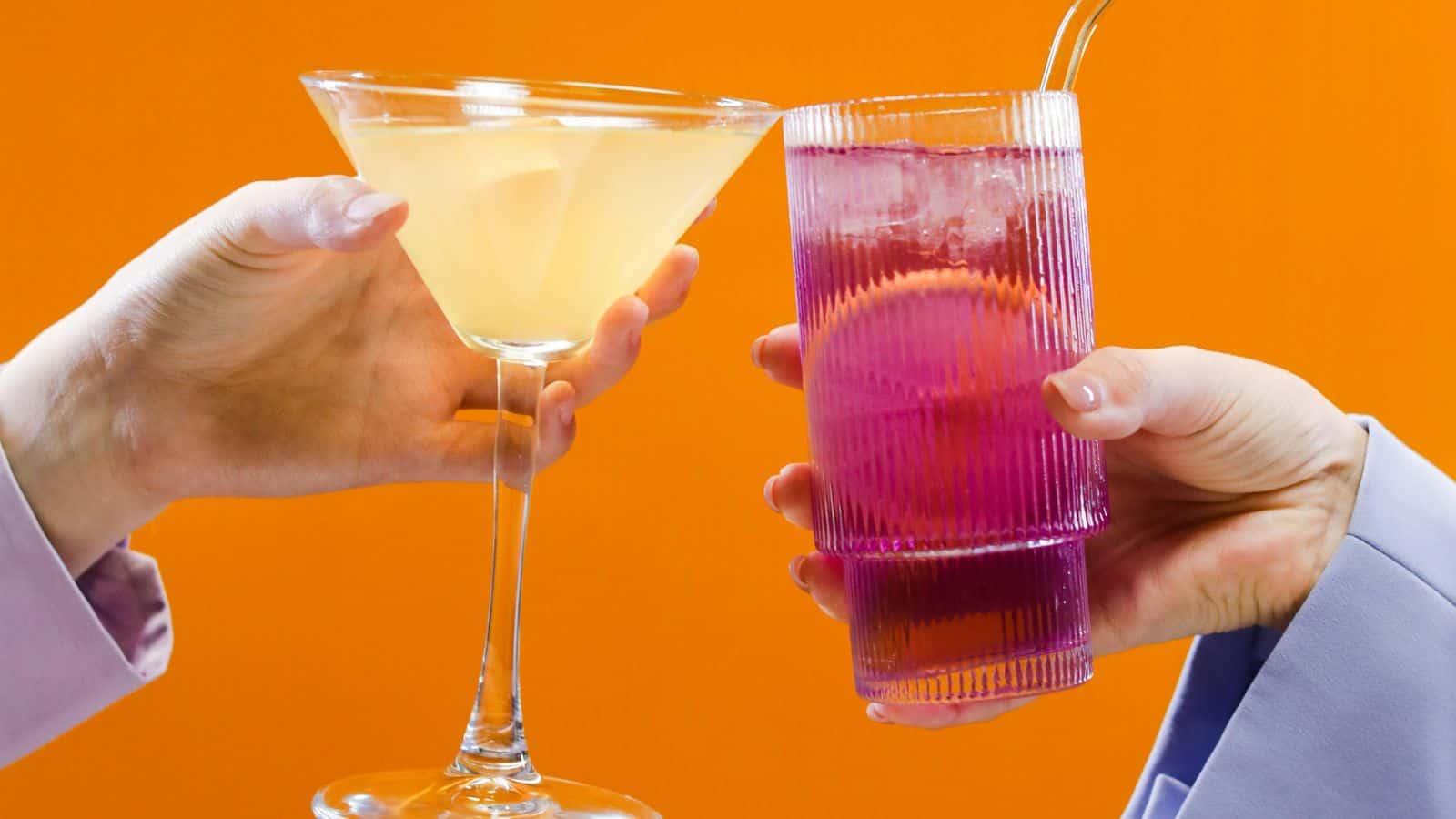
With the non-alcoholic movement gaining traction, mastering the art of crafting non-alcoholic drinks has become an essential skill. Whether you're taking a break from alcohol or serving a friend who prefers not to drink, there's much more to nonalcoholic beverages than just the classic Shirley Temple.
Non-alcoholic drinks are more popular than ever, thanks to an increase in non-alcoholic options at bars and restaurants, along with challenges like Dry January that encourage people to explore mocktails more frequently. Being able to create appealing non-alcoholic beverages is key to being a great host and home mixologist. If you're throwing a party, offering non-alcoholic choices for your guests is important-you never know who might not be drinking alcohol.
It's easy to dismiss mocktails-short for "mock cocktails"-as overly sweet or simplistic, but there's a whole world of flavors and creativity waiting to be discovered in the realm of non-alcoholic drinks.
Understanding Flavor Profiles
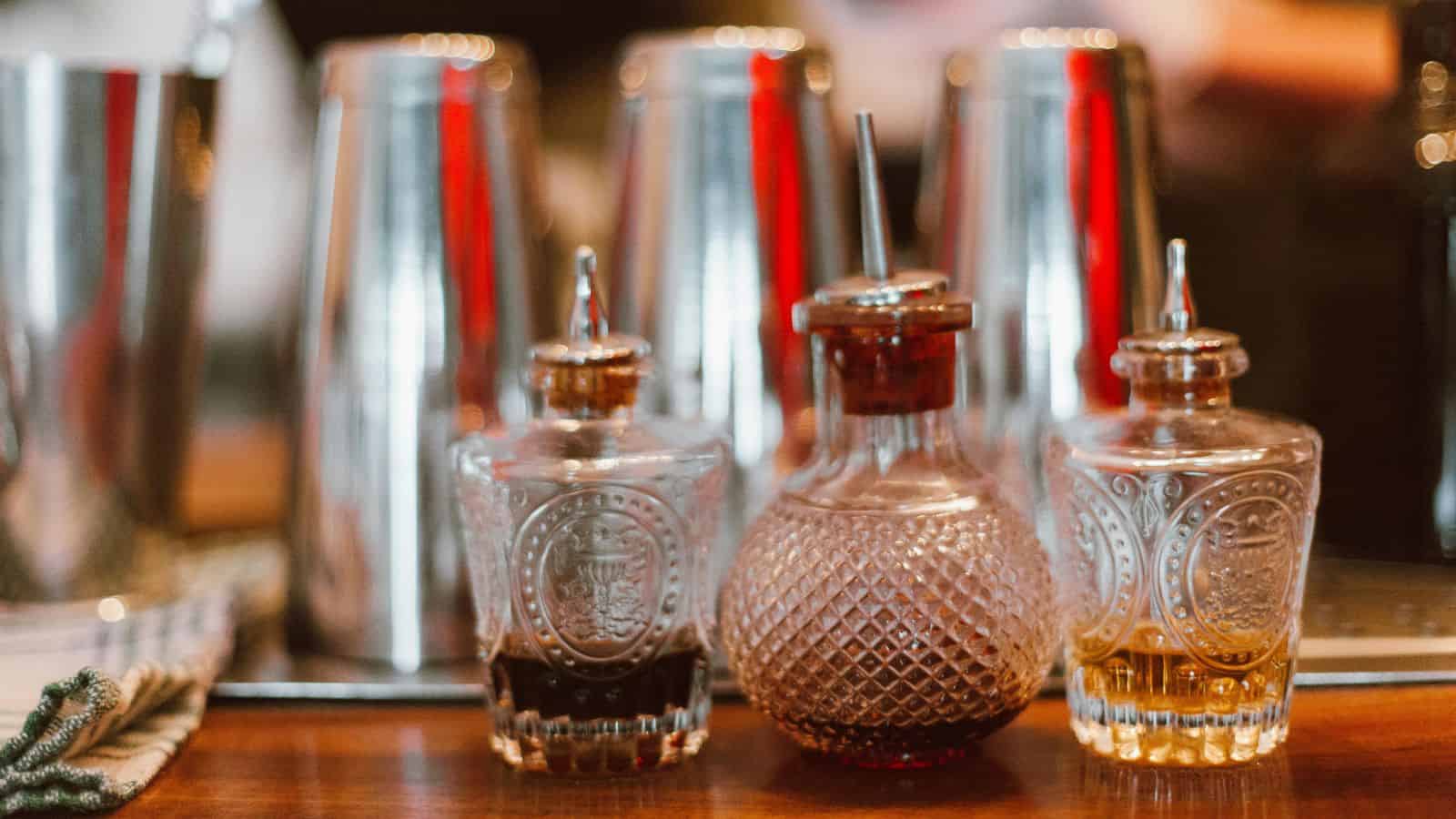
When making non-alcoholic drinks at home, it's important to balance sweet, sour, bitter, and savory flavors to create harmonious cocktails. Neglecting to consider how each ingredient contributes to the taste can lead to an unbalanced beverage that is either too sweet or too sour.
With a strong understanding of how flavors work together, the next step is to explore the key ingredients that make these combinations shine. Many nonalcoholic drinks start with a sweet syrup topped with soda. A nostalgic favorite, the Shirley Temple, features grenadine syrup and ginger ale or lemon-lime soda. Similarly, Italian sodas use fruity simple syrups with soda water for interesting flavors, and adding a splash of milk or cream turns it into a French soda.
Beyond sweet drinks, there are numerous ways to infuse flavor into your beverages. From zero-proof spirits to non-alcoholic bitters, crafting non-alcoholic drinks that taste like their original counterpart has never been easier.
Key Ingredients for Non-Alcoholic Drinks
Trying different ingredients is key to achieving your desired flavor profile. Making mocktail components at home can enhance freshness.
- Fresh Ingredients: Using fresh fruits and fragrant herbs can instantly enhance a non-alcoholic drink. They can be muddled to release juices, run through a juicer, or transformed into syrups. Citrus fruits, in particular, help balance sweetness.
- Simple Syrups: Creating your own syrups with interesting flavor combinations is a fantastic base for many non-alcoholic cocktails. They start with a sugar and water base but can be infused with fruits, extracts, herbs, and edible flowers.
- Cocktail Mixers: Many cocktail mixers are available in non-alcoholic forms, intended for mixing with alcohol later. However, they can also be used in mocktails, such as using margarita mix for a virgin margarita.
- Non-Alcoholic Bitters: Traditional cocktail bitters contain alcohol, so some may prefer non-alcoholic versions. Brands like All the Bitter offer craft creations that bring the flavor of bitters without the alcohol taste.
"I like to use seasonal ingredients in my non-alcoholic drinks to complement the meal I'm serving. In the summer, I will pick ingredients like watermelon or peach, while in the winter, I will choose apples or cranberries. Pairing the flavors of your mocktails with your food is key." - Gen La Rocca, Two Cloves Kitchen
Substitutes That Taste Like Alcohol
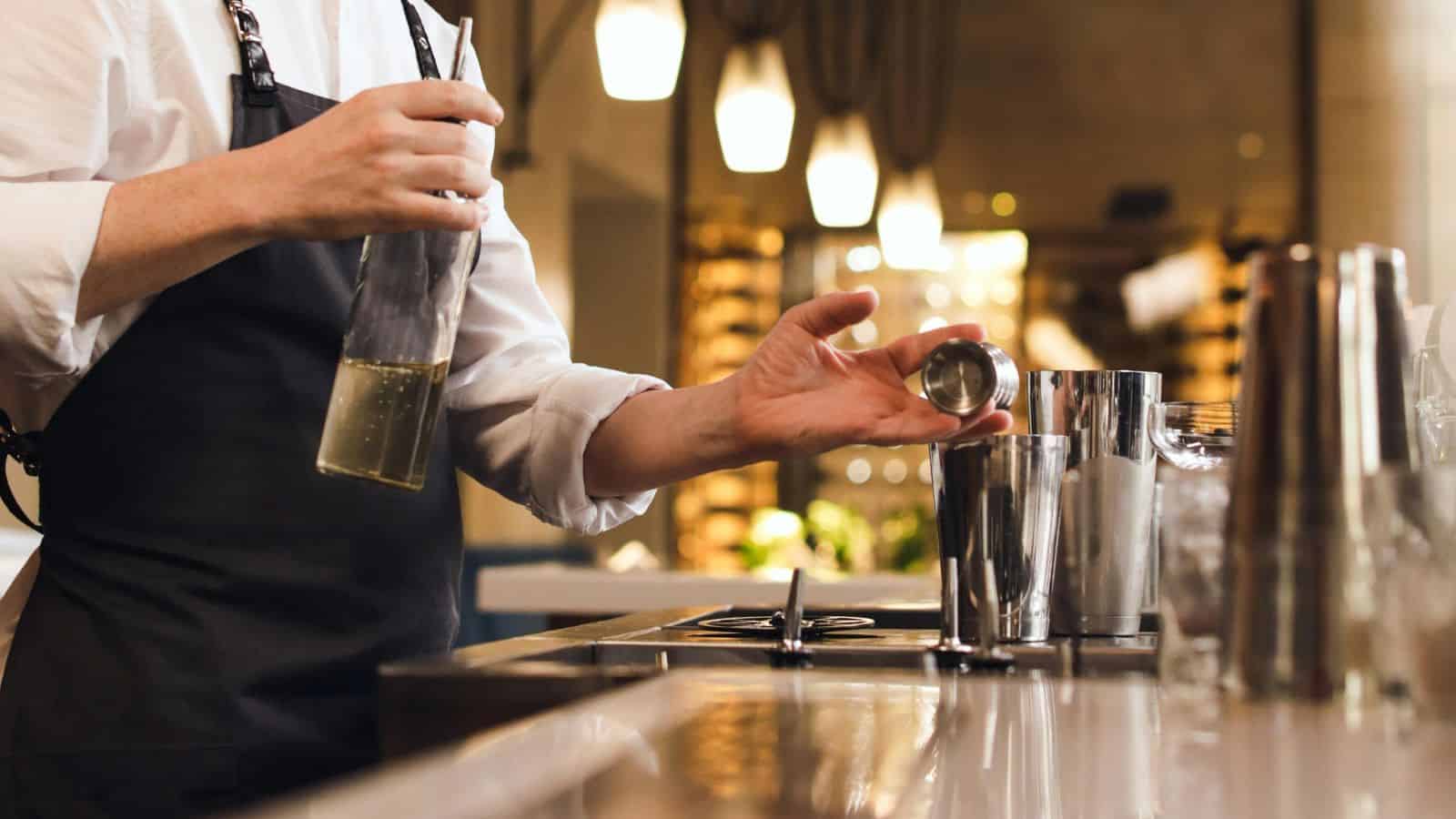
Removing alcohol from cocktail recipes can lead to great drinks, but sometimes substituting alcohol can help maintain balance. Alcohol often contributes sweet, bitter, and herbal flavors, which are central to many drinks. Emulating these flavors in spirit-forward cocktails like gin and tonic or old-fashioned has become easier thanks to creative homemade substitutes and store-bought options.
Non-alcoholic spirits are designed to mimic the flavor of alcohol, making them essential for mocktail creators. They are brewed with complex flavor profiles and can be used as a 1:1 substitute for alcohol.
Flavored water can stand alone as a non-alcoholic drink or serve as a mixer. You can infuse your own combinations with fruits, herbs, spices, and edible flowers.
Coffee and tea, with their inherent bitterness, can also enhance non-alcoholic cocktails. Barrel-aged versions provide the woody notes typically found in whiskey or wine.
Vinegar adds acidity and tartness, with a splash of balsamic vinegar enhancing complexity. Trying regular, white, or flavored balsamic vinegar can reveal a range of flavors.
Shrubs, which are sweet drinking vinegars, can serve as a base for non-alcoholic cocktails. Kombucha, a fermented tea, adds a tangy flavor and fizzy texture, though it does contain trace amounts of alcohol.
Easy Non-Alcoholic Drink Recipes
A great starting point is to work with zero-proof spirits instead of alcohol to recreate your favorite cocktails. Adding non-alcoholic gin or vodka to a virgin Bloody Mary or non-alcoholic whiskey to a virgin mint julep can make these drinks taste more authentic.
You can also adapt the classic cocktail ratio-2 ounces spirit, 1 ounce sour, 1 ounce sweet-by swapping out the alcohol for a zero-proof spirit or another substitute. The sour component typically includes citrus or other fruit juices, while the sweet element is often a simple syrup or other sweetener.
Tips for Customizing Non-Alcoholic Drinks
When designing your own mocktails, consider factors beyond flavor. Texture, temperature, and garnishes can enhance your non-alcoholic drink experience.
- Experiment with Texture: Fizzy drinks like non-alcoholic sparkling wine or club soda create a bubbly sensation. Shaking ingredients with egg white or aquafaba can give the drink a smooth, thick texture.
- Temperature: Scoops of ice cream or sorbet create a beautiful presentation. Blending a drink with ice can result in a fun experience, like a frozen virgin daiquiri, or you can try warm drinks made with hot chocolate, coffee, or tea.
- Garnishes: A garnish can complete a non-alcoholic drink, whether it's a salt or sugar rim, a cherry on a cocktail pick, or a lemon twist on top. These details add extra flavor and aroma, making the drink feel polished and professional-without the alcohol.
Bringing It All Together
Crafting non-alcoholic drinks that taste great isn't just about swapping out alcohol-it's about exploring flavors, textures, and presentation to create a drink that feels complete. With the right ingredients and techniques, mocktails can rival their alcoholic counterparts, offering complexity and balance that goes beyond just sweetness. They're also a wonderful way to cater to a variety of guests, ensuring everyone feels included and has a beverage they can enjoy.
Whether you're recreating a classic cocktail or inventing your own signature drink, non-alcoholic beverages open the door to endless creativity. From fresh fruit and herbs to innovative zero-proof spirits and garnishes, the possibilities are as varied as your imagination. As you dive into the world of mocktails, remember that the experience goes beyond taste-texture, aroma, and presentation all play a role in making these drinks memorable. So, the next time you're hosting or simply unwinding at home, try your hand at crafting a drink that not only tastes great but also adds a touch of thoughtfulness and fun to the moment.
This article originally appeared on Food Drink Life.
Comments
No Comments