
Alcohol is surrounded by myths that many of us take as fact. You might have heard that coffee can sober you up or that women can drink as much as men without any issues. These misconceptions can shape how we approach drinking and affect our understanding of alcohol's impact on our bodies. It's time to go through the 12 common myths about alcohol and get to the truth.
Whether you're a casual drinker or someone who enjoys the occasional night out, knowing the reality behind these myths can make a great difference. Misunderstandings about alcohol can lead to risky behavior and unnecessary health problems. By debunking these myths, we can make more informed decisions and enjoy our drinks safely.
Let's get into the facts and clear up some of the most common myths about alcohol. From what actually happens when you eat before drinking to the real effects of mixing different types of alcohol, we'll set the record straight. Understanding these truths will not only improve your drinking habits but also help you stay safe and healthy.

Drinking coffee sobers you up

While coffee might help you feel more awake and less drunk, it has no impact on your blood alcohol concentration (BAC) or the rate at which your body metabolizes alcohol. The liver processes alcohol at a constant rate, approximately one standard drink per hour, regardless of other factors. Consuming coffee may make you feel more alert, but this can be misleading, as you remain impaired. This false sense of alertness can lead to risky behaviors, such as deciding to drive while still under the influence. It's important to understand that only time will effectively reduce your BAC and restore full sobriety.
Eating before drinking prevents intoxication

Eating a meal before drinking can slow the absorption of alcohol into your bloodstream, leading to a slower onset of intoxication. However, this doesn't mean you won't become intoxicated. The alcohol will eventually be absorbed, and the total amount consumed will determine your level of intoxication. The type of food consumed can influence the rate of absorption, with high-fat foods generally slowing it down more than carbohydrates or proteins. Despite eating beforehand, drinking large quantities of alcohol will still result in intoxication, so it's important to monitor your intake regardless of your meal.
You can sweat out alcohol through exercise or saunas

The body primarily metabolizes alcohol through the liver, which processes about 95% of ingested alcohol. Only a small percentage is excreted through sweat, urine, and breath. Engaging in physical activity or spending time in a sauna may help you feel better temporarily by relieving some symptoms of a hangover, such as headaches or muscle aches, but it won't significantly speed up the elimination of alcohol from your system. The rate at which your liver metabolizes alcohol is constant and cannot be hastened by external factors. The best approach is to allow time for your body to naturally process and eliminate the alcohol.
Mixing different types of alcohol gets you drunk faster

The myth that mixing different types of alcoholic beverages, such as beer, wine, and spirits, leads to faster intoxication is not accurate. The critical factor in determining intoxication is the total amount of alcohol consumed, not the variety of drinks. Mixing drinks might lead to consuming more alcohol in a shorter period because you may not realize how much you're drinking. This can result in higher blood alcohol levels and increased intoxication. It's essential to monitor your alcohol intake and be aware of standard drink sizes to understand how much alcohol you are consuming, regardless of the type of beverage.
Alcohol warms you up

The sensation of warmth after drinking alcohol is due to vasodilation, where blood vessels near the skin's surface expand, increasing blood flow and causing a warm feeling. However, this process results in a loss of body heat as the heat is transferred from your core to the surface of your skin, leading to a decrease in body temperature. This can be particularly dangerous in cold environments, as it increases the risk of hypothermia. The temporary feeling of warmth is deceptive, and relying on alcohol to stay warm in cold conditions can be hazardous. Maintaining appropriate clothing and shelter is a safer way to manage body temperature.
Alcohol kills brain cells

Alcohol doesn't kill brain cells directly but can cause significant damage to the brain, particularly with chronic use. Long-term alcohol abuse can lead to a reduction in brain volume and impairments in cognitive function. It affects the communication between brain cells by disrupting neurotransmitter systems and causing inflammation and oxidative stress. These changes can lead to conditions such as Wernicke-Korsakoff syndrome, a severe memory disorder. While moderate alcohol consumption is unlikely to cause this level of damage, heavy and prolonged drinking can have serious long-term effects on brain health and cognitive abilities.
Women and men can drink the same amount

Men and women metabolize alcohol differently due to biological differences. Women generally have a higher proportion of body fat and lower levels of the enzyme alcohol dehydrogenase, which breaks down alcohol in the stomach and liver. As a result, women tend to have higher blood alcohol levels than men after consuming the same amount of alcohol. Hormonal fluctuations can also affect alcohol metabolism. These differences mean that women may experience the effects of alcohol more intensely and for a longer duration than men, making it important for women to be mindful of their alcohol consumption and understand their limits.
You can sleep off a hangover

Sleeping is essential for recovery, but it doesn't speed up the process of eliminating alcohol from your system or alleviate all hangover symptoms. Hangovers are caused by several factors, including dehydration, electrolyte imbalances, and the toxic byproducts of alcohol metabolism. While rest helps your body recover, it's crucial to stay hydrated, eat nutritious foods, and allow time for your liver to process the alcohol. Over-the-counter pain relievers and rehydration solutions can also help manage symptoms. However, the only true cure for a hangover is time, as your body gradually returns to its normal state.
Drinking more alcohol cures a hangover

The "hair of the dog" method, or drinking more alcohol to alleviate hangover symptoms, might give temporary relief by dulling your senses, but it ultimately delays the recovery process and can worsen dehydration and other symptoms. Consuming more alcohol adds to the toxin load your body must process and can lead to prolonged discomfort. Instead, focus on rehydration, replenishing lost nutrients with a balanced meal, and getting plenty of rest. Over-the-counter pain relievers and rehydration solutions can also help alleviate hangover symptoms. Allowing your body time to metabolize and eliminate the alcohol is the most effective approach to recovery.
Alcohol is a stimulant

Alcohol is a depressant that slows down the central nervous system, affecting brain function and neural activity. While small amounts can produce stimulating effects, such as increased sociability and reduced inhibition, larger quantities lead to sedation, impaired coordination, and slowed cognitive functions. Alcohol's initial stimulating effects are due to the release of dopamine, a neurotransmitter associated with pleasure and reward. However, as alcohol consumption continues, its depressant effects become more pronounced, leading to drowsiness, slowed reaction times, and impaired judgment, aligning with its classification as a depressant substance.
You can drive safely if you're under the legal BAC limit
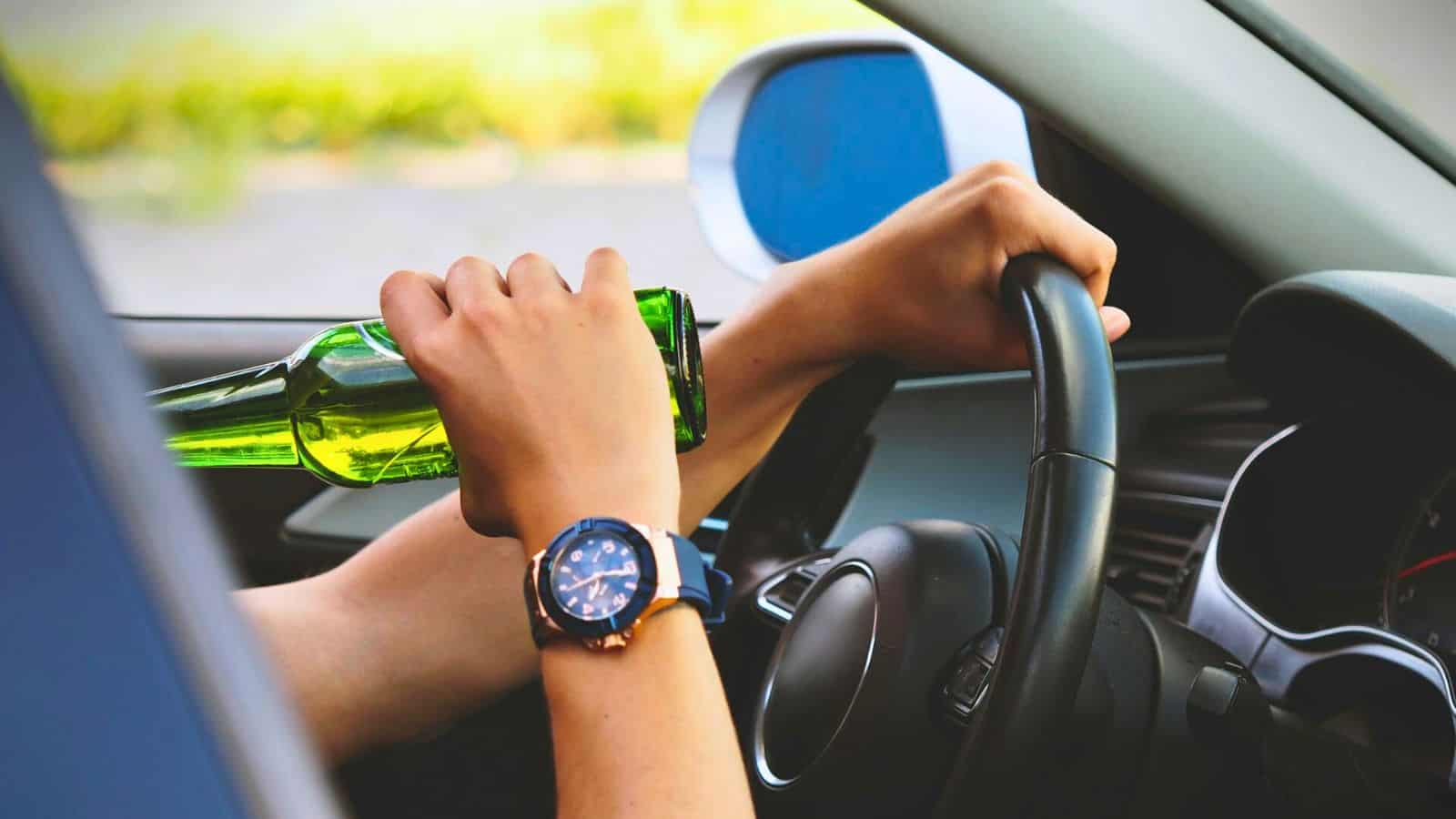
Even small amounts of alcohol can impair driving ability by affecting reaction time, judgment, and coordination. The legal blood alcohol concentration (BAC) limit is not a definitive measure of safety; individual tolerance and impairment levels vary. Factors such as weight, age, and how quickly you consume alcohol can influence your level of impairment. Studies have shown that even BAC levels as low as 0.02% can affect driving performance. It's safest to avoid driving altogether after consuming any alcohol, as even minimal impairment increases the risk of accidents. Relying on designated drivers or alternative transportation is a safer choice.
Alcohol is not addictive
Alcohol has addictive properties, and regular use can lead to dependence. Alcohol addiction, or alcoholism, is characterized by a strong craving for alcohol, loss of control over drinking, and withdrawal symptoms when not drinking. It can cause severe physical, psychological, and social consequences. Long-term alcohol abuse can lead to liver disease, cardiovascular problems, and cognitive impairments. Treatment for alcohol addiction often involves a combination of medical intervention, therapy, and support groups to help individuals achieve and maintain sobriety. Recognizing the signs of alcohol dependence early can help prevent the development of a more serious addiction.
Truth on the rocks, please!

Understanding the truth behind common alcohol myths can change how we approach drinking and our safety. It's easy to believe these myths when they're repeated so often, but knowing the facts helps us make better decisions. Whether it's the myth about coffee sobering you up or the misconception that mixing drinks gets you drunk faster, debunking these ideas is crucial for responsible drinking.
Armed with accurate information, we can enjoy our drinks with a clearer understanding of their effects. This knowledge isn't just for our benefit but for the safety of those around us. Knowing what really happens when we drink allows us to be more mindful and considerate in social settings, making sure that everyone can have a great time without unnecessary risks.
Next time you're out for a night of drinks, remember these facts and share them with your friends. Dispelling these myths can make a perfect difference in how we all experience and enjoy alcohol. So, raise a glass to informed, safe, and fun drinking!




Comments
No Comments