
When someone asks about types of coffee, they usually mean one of three different questions without realizing it. Which drink should I order. Which bag should I buy. Why does this taste different from the last one.

Those are three separate answers, and most guides only give you one of them. So this covers all three, starting with the one people actually want.
The Different Types of Coffee Drinks
Nearly every hot coffee on a cafe menu is espresso plus a different amount of water, milk or foam. Once you see that, the menu stops being intimidating.

- Espresso is the base. Hot water forced through finely ground coffee under pressure, producing a small, intense shot with a layer of crema on top. Everything below is this plus something.
- Americano is espresso with hot water added. Similar strength to drip coffee but a different character, since the extraction happened under pressure.
- Latte is espresso with a lot of steamed milk and a thin cap of foam. The mildest of the milk drinks and the one that carries syrup best, which is why almost every flavored cafe drink is a latte underneath.
- Cappuccino is roughly equal espresso, steamed milk and foam. Lighter and airier than a latte, and the coffee comes through more.
- Flat white sits between the two. Espresso with steamed milk and only a whisper of microfoam, so it tastes stronger than a latte in the same size cup.
- Macchiato means marked, and traditionally it is espresso with just a spoonful of foam. Worth knowing that the cafe chain drink sold under that name is something else entirely, and much larger.
- Cortado is espresso cut with an equal amount of warm milk. Small, strong, no foam.
- Mocha is a latte with chocolate. Cold brew is coarse grounds steeped in cold water for twelve to twenty-four hours, which produces something smoother and less acidic than iced coffee, and iced coffee is simply hot-brewed coffee poured over ice.
If you want to make these at home, my coffee bar ideas covers what you actually need on the counter.
The Coffee Beans
Four species are grown commercially, and the bag in your cupboard is almost certainly the first one.
- Arabica accounts for most of the world's coffee. It grows at high altitude, roughly 2,000 to 6,500 feet, in places like Brazil, Colombia and Ethiopia. Cooler air and thinner soil slow the cherries down, which is part of why it tastes the way it does: smooth, faintly fruity, with chocolate and caramel running underneath. It also carries less caffeine than robusta, around one percent against up to 2.7.
- Robusta grows lower and hotter, mostly in Vietnam, Brazil and Indonesia. It is stronger, more bitter and considerably more caffeinated. It is often treated as the lesser bean, which is not quite fair. Robusta produces thick, lasting crema, so a small proportion in an espresso blend genuinely improves the shot, and most instant coffee is robusta because it survives processing.
- Excelsa is rare, grown mainly in Vietnam, the Philippines and India. It tastes tart and fruity with dark chocolate underneath. It is uncommon because the trees are difficult, sensitive to both temperature and humidity.
- Liberica is rarer still, grown largely in the Philippines, at low altitude. Smoky, sometimes described as woody or almost floral, with dark chocolate notes. The trees catch disease easily and yield little, so it stays a specialty item.
Practically speaking, you will drink arabica, occasionally an arabica and robusta espresso blend, and you will have to hunt for the other two.
Roast Level
This changes the cup more than the bean species does, and it is the thing most people never adjust.
Light roasts keep more of the origin character, so the fruit and floral notes survive. They also taste more acidic and thinner in body. Medium roasts are the middle ground and what most bags default to. Dark roasts push past the origin flavors into caramelized, smoky, bittersweet territory, and by that point you are largely tasting the roast rather than the bean.
Light and medium roasts suit drip and pour over. Dark roasts hold up better in cold brew and in milk drinks, where a lighter roast can get lost. If you are choosing a bag on price rather than provenance, my best ground coffee post has the ones worth buying.
Which Coffees Take Milk and Syrup
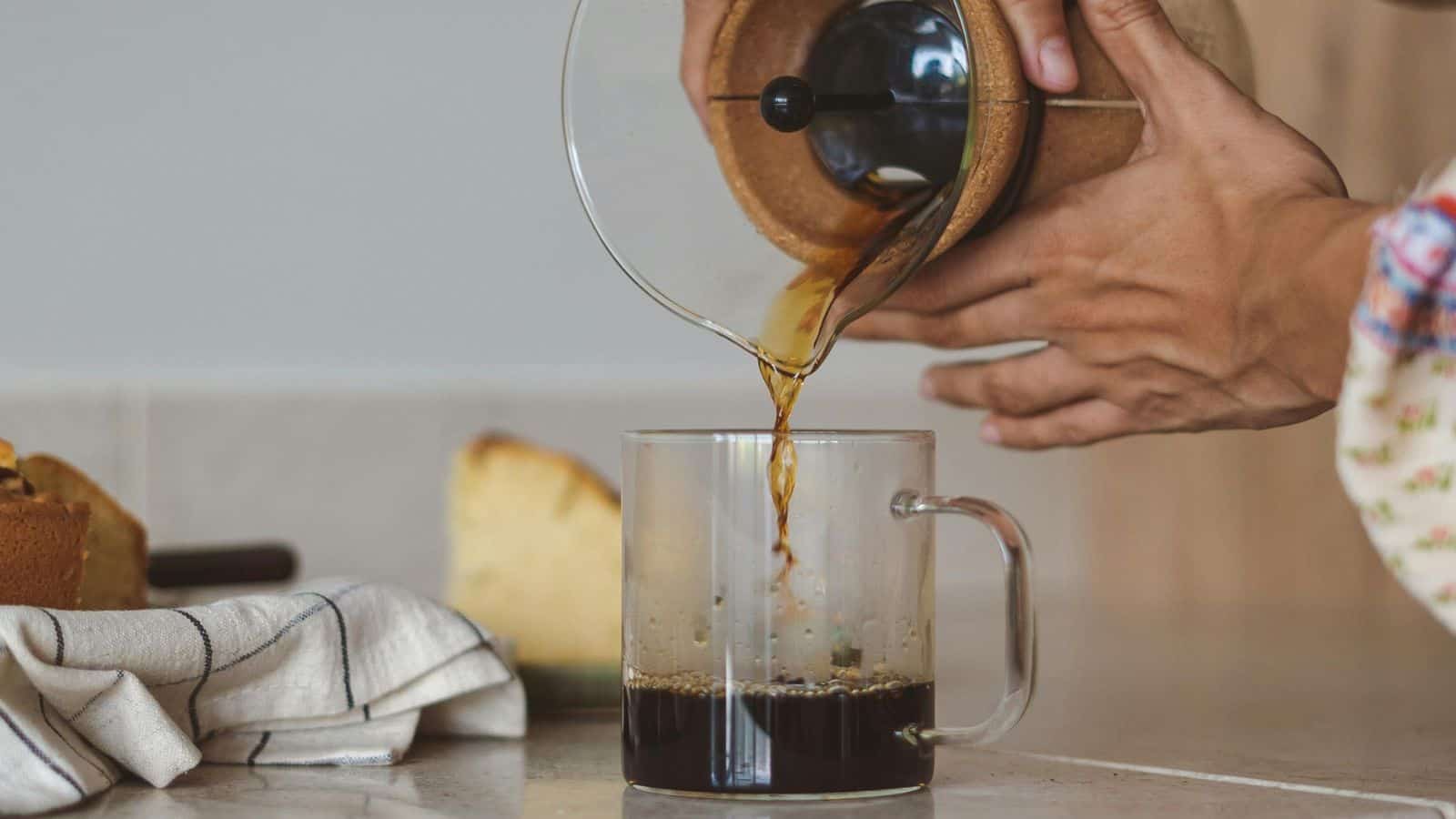
This is where the three questions collide, and it is the part that matters if you are making drinks rather than just drinking them.
Milk mutes coffee. That is the point of it, but it means a delicate light-roast single origin is largely wasted in a latte. Save those for black coffee, and use a medium or dark roast for anything with milk in it.
Syrup mutes it further. A latte can carry a strong flavored syrup without complaint, which is why the whole cafe menu works that way. A cortado or a flat white cannot, since there is not enough milk to hide behind. If you want to flavor a small, strong drink, use a fraction of what you would put in a latte.
Cold brew is the most forgiving of all. It is low in acid and slightly sweet already, so it takes syrup, milk and even fruit without fighting back. My pumpkin spice syrup and my homemade hazelnut coffee creamer both go into cold brew more easily than into anything hot.
And if you are chasing a specific cafe drink rather than a category, that is usually a syrup problem rather than a coffee problem. My Starbucks copycat iced cinnamon dolce latte is ordinary espresso and ordinary milk. The syrup is doing all the work.
The Short Answer
Order by drink, buy by roast, and stop worrying about bean species unless you are buying single origin. Medium roast arabica in a bag with a recent roast date improves the cup more than anything else you can change, and the milk and syrup decide the rest.



Comments
No Comments