
What's the first thing that comes to mind when you think of a mocktail or virgin drink? Your answer is likely a Shirley Temple. Well, you're not wrong, but as this alcohol-free and sober movement is becoming more prominent and taking its place in the spotlight, there are so many more virgin cocktails to enjoy! Let's expand and help answer the question what are mocktails or virgin drinks?

When trying to find non-alcoholic cocktails out in the wild, you may or may not find them listed on cocktail menus. I often have to ask a waitress or bartender if they have a zero proof drink menu, or if they're willing to whip something up for me.
You may also see them listed as a Mocktail Menu, Zero Proof Menu, Virgin Cocktails. Because the terms are all used so interchangeably and loosely, just be mindful of what YOU want to consume. Double-check with your server if they're being served with zero-proof spirits or not.
Not all zero-proof spirits are created equal. Some are absolutely alcohol-free; some are made the traditional way with the alcohol removed, leaving just a trace amount of alcohol that still allows it to be labeled non-alcoholic.
Why Would Anyone Want These Types of Drinks Anyway?
There are so many reasons why mocktails and virgin drinks are becoming increasingly popular. Many pregnant women seek out some of their favorite drinks as mocktails so they can still enjoy parts of the party they miss. We're not denying any pregnant woman her craving for a pina colada! Finding a signature virgin drink for baby showers or bridal showers is popular as well. This ensures everyone, young and old, can get in on the fun and enjoy delicious drinks.
A lot of people are participating in Dry January, and committing to staying sober for the entire month. Oftentimes, they'll make themselves a mocktail or two and realize that they can still enjoy all of the flavors of their alcoholic counterparts without the alcohol.
With this scene becoming more and more popular on social media, the restaurant menu is changing to include mocktails and non-alcoholic beer for those living a sober lifestyle. Whether it be for health reasons, personal reasons, or religious reasons, the sober movement is coming in hot!

What is a Mocktail?
A mocktail is typically a non-alcoholic cocktail that mimics the flavors and presentation of traditional cocktails. It often incorporates various fruit juices, syrups, herbs, and other ingredients to create complex and refreshing flavor profiles. Like alcoholic cocktails, mocktails are often served in cocktail glasses and garnished creatively.
The mocktails on this site are made with zero-proof spirits that taste like a full-proof spirit, just without the alcohol.

What is a Virgin Drink?
A virgin drink, on the other hand, refers more broadly to any non-alcoholic version of a beverage that typically contains alcohol. For example, a virgin mojito would be a non-alcoholic version of the classic cocktail, while a virgin piña colada would be a non-alcoholic version of the tropical cocktail. Virgin drinks may or may not mimic the exact flavors and presentation of their boozy counterparts, but they are always alcohol-free.
Most mocktails on this site can be made entirely virgin by removing the non-alcoholic spirits.
My Virgin Bloody Mary, aka Virgin Mary, allows you the option to add zero-proof vodka. Without the vodka alternative, this drink remains virgin. When adding the spirit alternative, the drink becomes a mocktail.
Are Mocktails and Virgin Drinks the same thing?
In essence, yes, mocktails and virgin drinks are often used interchangeably to refer to non-alcoholic beverages. Both terms typically describe drinks that mimic the flavors, presentation, and enjoyment of traditional cocktails without the inclusion of alcohol. However, there can be slight nuances in how the terms are used.
So, while both mocktails and virgin drinks share the common trait of being alcohol-free, mocktails specifically aim to replicate the experience of drinking a cocktail, while virgin drinks encompass any non-alcoholic version of an alcoholic beverage.
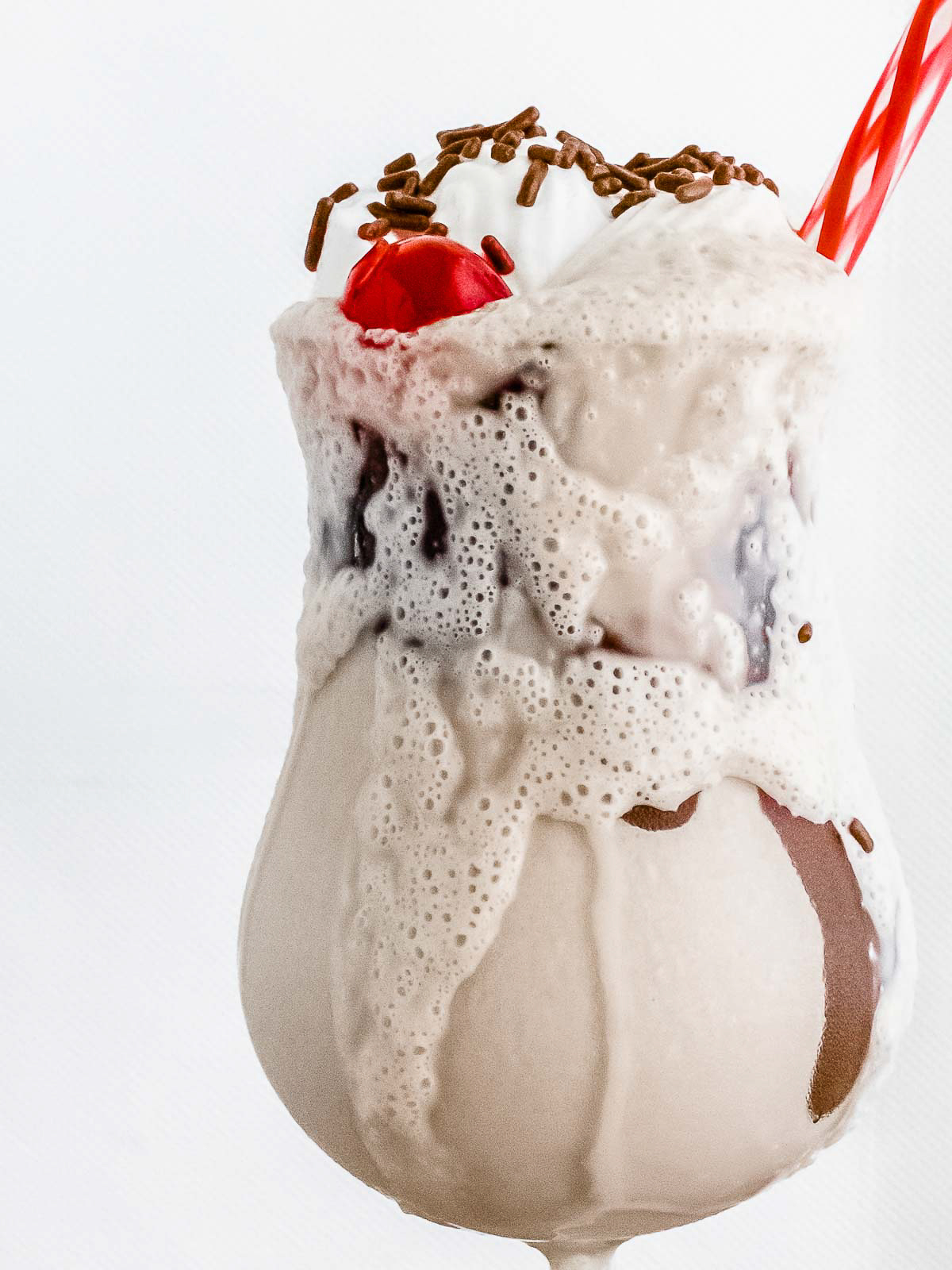
Make Your Own Simple Virgin Cocktail
There are a few virgin drinks you may already be familiar with. The Shirley Temple and Roy Rogers are among the most popular. Mostly soft drinks like a lemon-lime soda or coke with a bit of flair from the addition of grenadine and a maraschino cherry garnish. Here's an easy formula to follow when making and asking for a virgin drink.
Pick a base:
- Ginger Ale
- Ginger Beer
- Soda Water
- Club Soda
- Tonic Water
- Sparkling Water
Pick an additional flavor additive:
- Fresh lime juice
- Fresh lemon juice
- Cranberry juice
- Grenadine syrup
- Simple sugar syrup or honey
- Dashes of bitters - alcohol-free, ideally
Pick a garnish:
- Fresh fruit of any kind
- Fresh mint - slap it between your hands to release the oils
There's no right or wrong answer here; whatever you're craving, they should be able to make, as most of these ingredients are used to make other cocktails.

So is it a Virgin or Mocktail?
Does it taste like its alcoholic counterpart, including the nuances of the alcohol?
- Yes: Mocktail
- No: Virgin
Does it typically contain a mix of fruit juices, syrups, and other ingredients to mimic the taste of classic cocktails?
- Yes: Mocktail
- No: Virgin
Is it often served in a cocktail glass with creative garnishes?
- Yes: Mocktail
- No: Virgin
Is it commonly referred to as a non-alcoholic version of a specific cocktail, such as a Mojito or a Margarita?
- Yes: Virgin
- No: Mocktail
Does it aim to replicate the experience of drinking a traditional cocktail, including the complexity of flavors and presentation?
- Yes: Mocktail
- No: Virgin
Is it primarily known for its non-alcoholic nature, rather than its similarity to cocktails?
- Yes: Virgin
- No: Mocktail
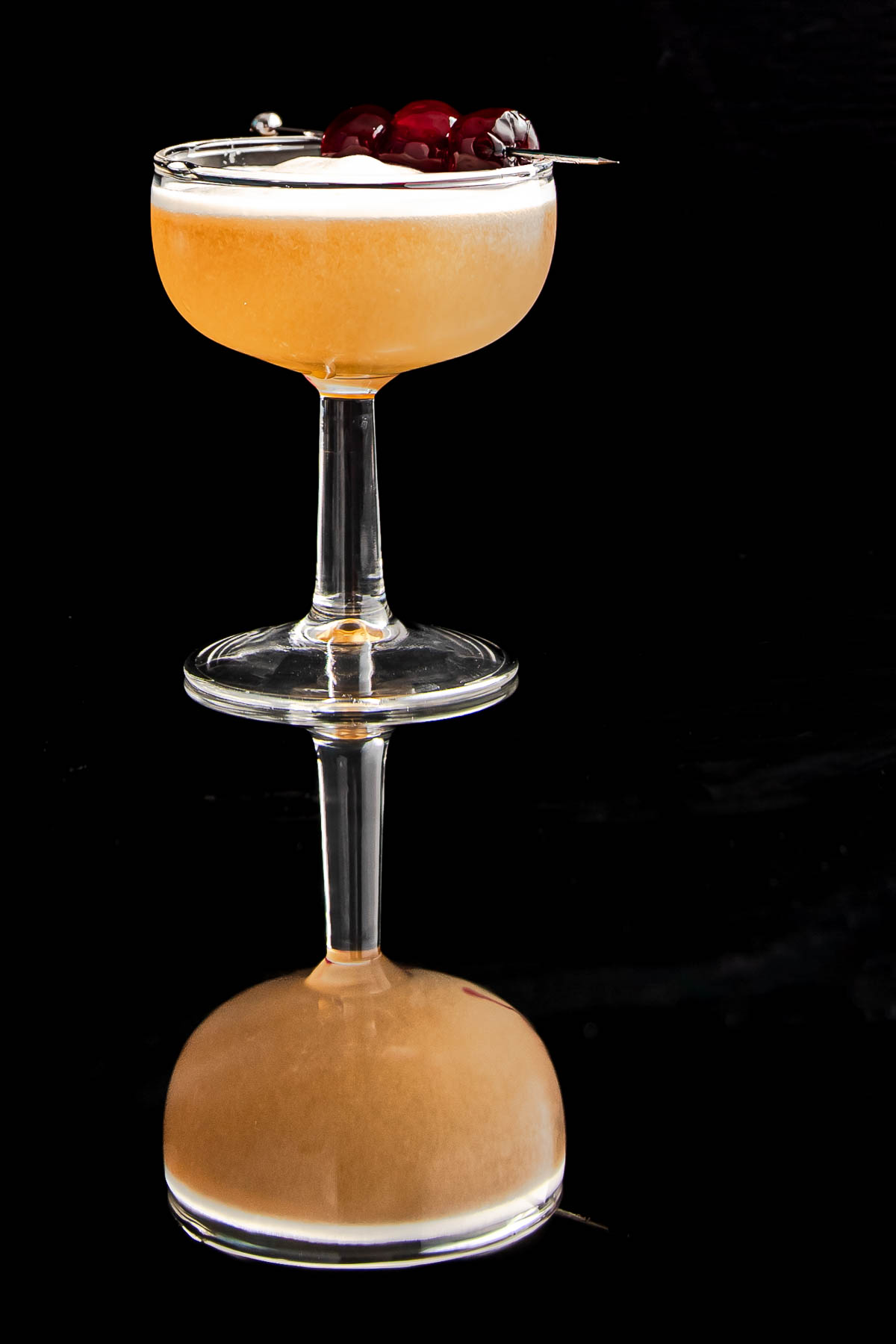
Examples of Virgin Drinks
Pina Colada - Our pina colada mocktail recipe includes a zero-proof spirit. Once omitted and replaced with coconut water, this pina colada is now virgin.
Strawberry Daiquiri - Our mocktail version includes a zero proof spirit, removing the white rum from the recipe makes this a Virgin Strawberry Daiquiri.
Bloody Mary - With vegetable juices being the primary flavor, this Virgin Mary can easily be turned into a mocktail by adding the optional alcohol-free alternatives.
Mai Tai - By removing the zero proof dark rum, this now, virgin mai tai, is full of orange and pineapple juice. Add a little coconut water for even more tropical vibes.
Blue Hawaiian - Using an alcohol free blue curacao syrup, this virgin blue Hawaiian is one of our most popular recipes. Bright blue and full of coconut flavor!!
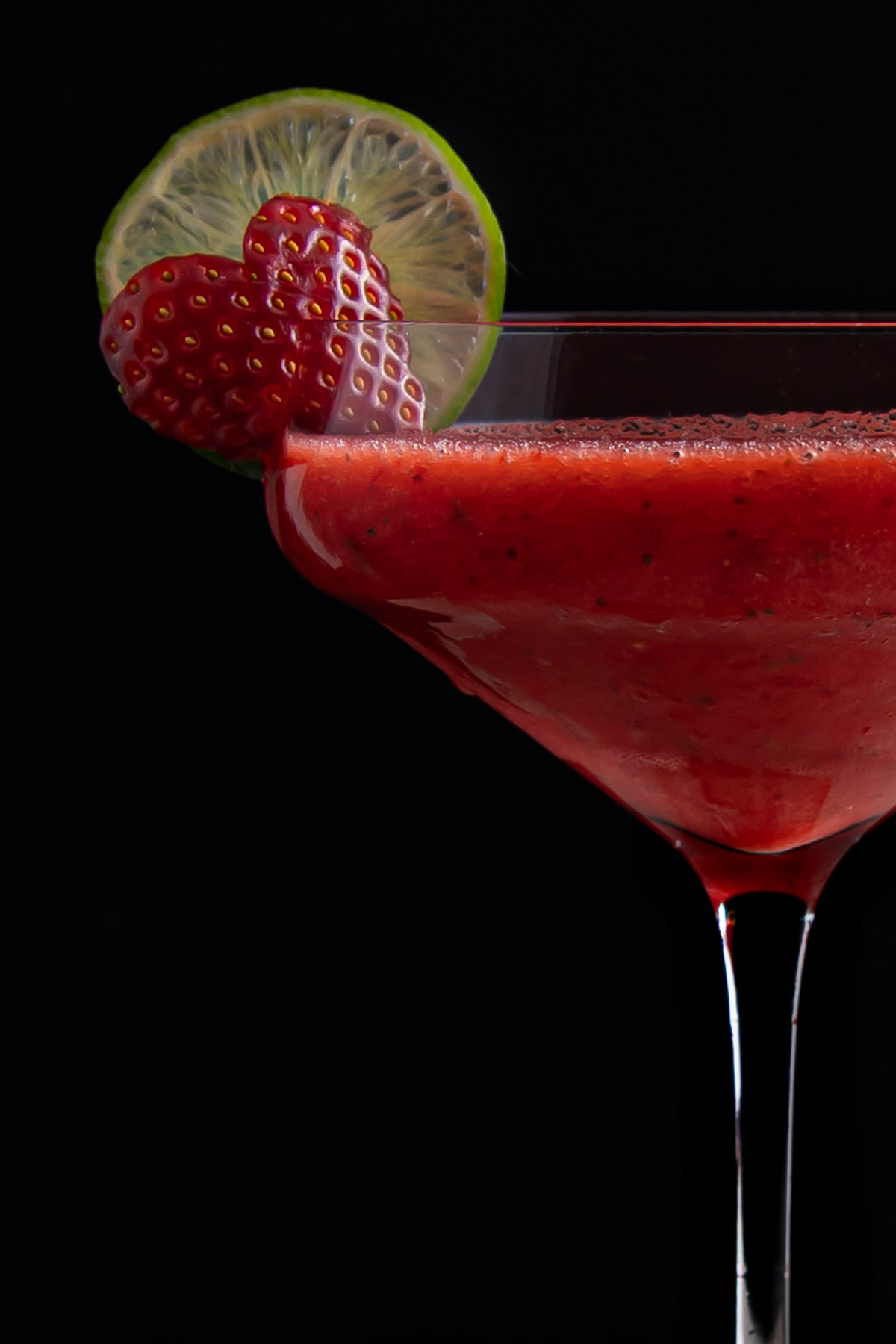
Examples of Mocktails
Long Island iced tea - A tasty non-alcoholic mixed drink with many kinds of non-alcoholic options for spirits to use make this a great mocktail option. If you were to remove those and make this "virgin", you would essentially have a splash of cola, lemon juice, and simple syrup.
Whiskey Sour - For a whiskey sour to taste like the real thing, you'll need to spirit alternative. Removing that ingredient would do this mocktail a disservice.
Gin & Tonic - With such simple ingredients, this mocktail isn't very easy to break down into a virgin gin & tonic. You could replace the gin alternative with a juniper forward sparkling water.
Mimosa - Our mimosa is made with orange juice and a sparkling non-alcoholic wine. A virgin option of a mimosa would simply be, orange juice.
Old Fashioned - This old fashioned recipe is made with a full flavored non alcoholic whiskey or bourbon. Creating virgin versions of these types of drinks that are very spirit flavor forward is almost impossible.

Can All Mocktails Using NA Spirits Be Considered 100% Alcohol Free?
Most non-alcoholic spirits are designed to be alcohol-free or contain extremely low levels of alcohol, often less than 0.5% ABV (Alcohol By Volume). However, it's important to note that "non-alcoholic" does not always equate to "100% alcohol-free." The exact content can vary between brands and products. Read labels closely to know for sure.
For individuals who are avoiding alcohol for health, religious, or personal reasons, it's crucial to check the labels and product information of non-alcoholic spirits to ensure they meet the desired standards. Some people may prefer to avoid these products entirely if they are seeking a 100% alcohol-free option, as even trace amounts might be significant for their needs.
Comments
No Comments